Sponsored Content | Digital Free Press
Living in Arizona comes with plenty of advantages, from sunny weather and beautiful desert landscapes to year-round outdoor activities. However, Arizona’s climate also creates conditions that can support pest activity throughout much of the year.
Unlike in colder regions, where winter temperatures naturally slow many pest populations, Arizona homeowners often face seasonal pest concerns year-round.
The specific pests may change as temperatures and weather patterns shift, but the need for prevention remains consistent. The good news is that many pest issues can be reduced through proactive home maintenance, regular inspections, and a better understanding of how seasonal conditions influence pest behavior.
Why Arizona Experiences Year-Round Pest Activity
Arizona’s unique climate plays a major role in pest activity patterns.
Extreme summer heat, monsoon moisture, and mild winter temperatures all affect how pests behave throughout the year. While some pests become more active during hot weather, others seek shelter indoors when temperatures become too extreme.
Monsoon season can also influence pest activity by creating temporary moisture sources that attract pests looking for food, water, or shelter. Because conditions vary throughout the year, homeowners often encounter different pest challenges depending on the season.
Common Seasonal Pests Arizona Homeowners May Encounter
Understanding which pests are most active during certain times of the year can help homeowners stay ahead of potential problems.
- Ants: Ant activity often increases during warmer months as colonies search for food and water sources. Even small crumbs, pet food, or moisture around sinks can attract ants indoors.
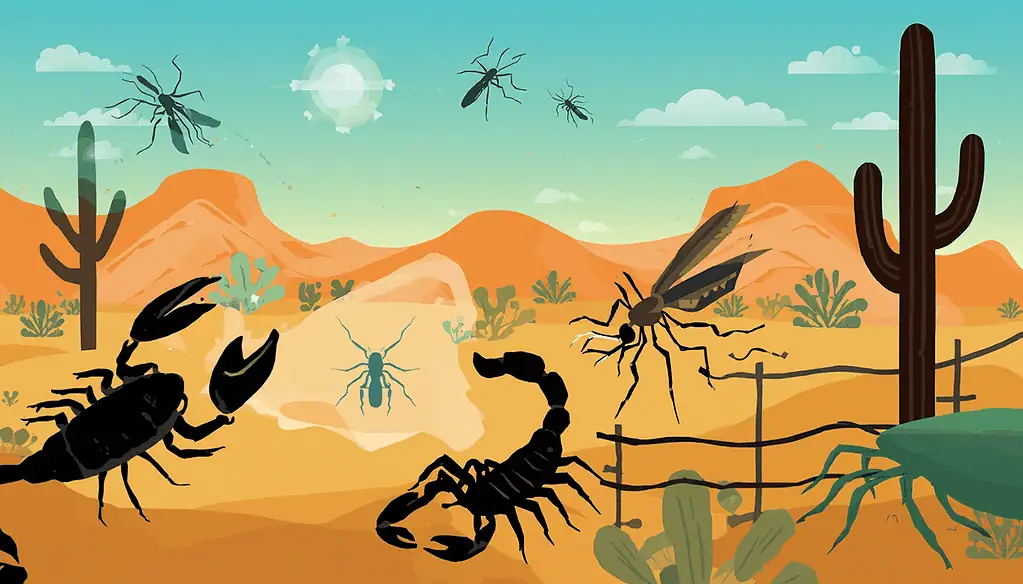
- Scorpions: Scorpions are a common concern in many parts of Arizona. They often seek shelter in cool, protected areas and may enter homes through small gaps and cracks. Homeowners frequently notice increased scorpion activity during warmer months and after monsoon storms.
- Spiders: While many spiders are harmless, they often become more noticeable when insect populations increase. Garages, storage areas, sheds, and less frequently used spaces can provide ideal hiding spots.
- Cockroaches: Cockroaches are attracted to food, moisture, and shelter. Arizona’s climate can support year-round activity, particularly in areas where water sources are readily available.
- Termites: Subterranean termites remain one of the most significant threats to Arizona homes. According to the University of Arizona Cooperative Extension, termites can cause substantial structural damage if infestations go undetected for extended periods.
- Rodents: Rodents often seek shelter during periods of extreme heat or cooler winter temperatures. Attics, garages, and storage areas can become attractive nesting locations if entry points are available.
- Wasps: Wasp activity typically increases during warmer seasons as colonies expand and nesting activity becomes more visible around homes and outdoor structures.
Seal Common Entry Points Around Your Home
One of the most effective ways to prevent pest problems is to make it more difficult for pests to enter in the first place. Even small openings can provide access to insects and rodents. Homeowners should routinely inspect areas around:
- Doors and door sweeps
- Window frames
- Garage doors
- Utility line penetrations
- Vents
- Roof openings
- Foundation cracks
Sealing gaps with appropriate materials can help reduce opportunities for pests to move indoors. Regular inspections become especially important after monsoon storms or home improvement projects that may create new entry points.
Keep Your Yard Well-Maintained
Your landscaping can significantly impact pest activity around the home. While attractive landscaping enhances curb appeal, overgrown vegetation and debris can also create hiding places for unwanted pests.
Trim Vegetation Away From the Home
Trees, shrubs, and plants that touch exterior walls can provide easy access points for insects and rodents. Maintaining clearance between landscaping and the structure may help reduce pest movement toward the home.
Remove Yard Debris
Piles of wood, leaves, mulch, and other debris can provide shelter for pests such as scorpions, spiders, and rodents. Keeping outdoor areas tidy reduces the number of places pests can hide.
Eliminate Standing Water
While Arizona is known for its dry climate, standing water can still accumulate after storms or from irrigation issues. Regularly check for:
- Clogged gutters
- Leaking irrigation systems
- Standing water in containers
- Poor drainage areas
Reducing excess moisture helps eliminate conditions that attract many pests.
Reduce Food and Water Sources Indoors
Pests are constantly searching for food, water, and shelter. Simple household habits can make a meaningful difference in reducing attractants.
Store Food Properly
Keep food in sealed containers whenever possible and avoid leaving pet food out for extended periods. Pay special attention to:
- Pantry items
- Pet food
- Bird seed
- Outdoor cooking areas
Manage Trash Effectively
Trash containers should remain tightly closed and cleaned regularly to help minimize odors that attract pests.
Address Moisture Issues
Leaky faucets, plumbing issues, and excess humidity can attract a variety of pests. Promptly addressing moisture problems can help make your home less appealing to unwanted visitors.
Know the Early Warning Signs
Catching pest activity early can often prevent larger infestations from developing. Some common warning signs include:
- Droppings
- Mud tubes near foundations
- Damaged wood
- Nests or nesting materials
- Increased insect activity
- Scratching sounds inside walls or ceilings
- Unusual pest sightings during daylight hours
If you notice any of these signs, it’s worth investigating further before the problem worsens.
When DIY Prevention Is Enough. And When It Isn’t
Many preventive measures can be handled by homeowners through routine maintenance and regular inspections. Tasks such as sealing gaps, maintaining landscaping, reducing moisture, and improving sanitation can often go a long way toward reducing pest activity.
However, some situations may require professional assistance. For example:
- Persistent pest activity
- Scorpion concerns
- Termite issues
- Rodent infestations
- Large wasp nests
- Recurring cockroach problems
In these cases, working with a provider experienced in pest control in Arizona may help identify underlying issues and develop an effective treatment strategy. Use this Arizona service area guide to better understand local pest concerns and available support options.
Prevention Is the Best Long-Term Strategy
Arizona’s climate makes year-round pest awareness important for homeowners.
While different pests become active during different seasons, the most effective approach remains consistent: prevention. By sealing entry points, maintaining your yard, managing food and moisture sources, and watching for early warning signs, you can significantly reduce the likelihood of larger pest problems developing. A little proactive maintenance today can often help you avoid more costly and time-consuming pest issues in the future, while keeping your home safer, cleaner, and more comfortable throughout the year.