Sponsored Content | Digital Free Press
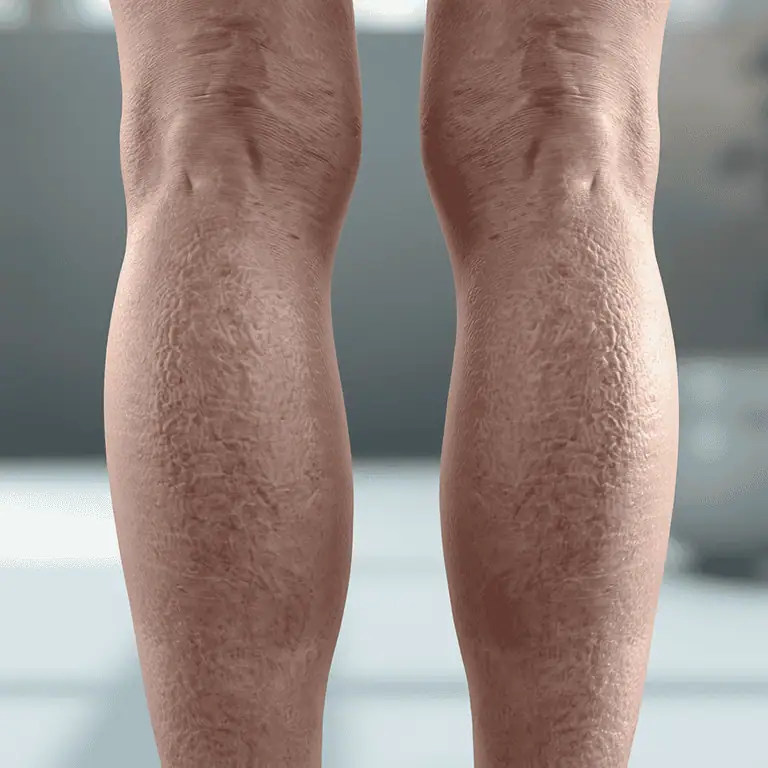
Aching legs at the end of a long shift. Ropey veins that appear on your calves after a second pregnancy. After a cross-country flight, a heaviness settles in and refuses to ease. These are the moments that compel individuals to pick up a phone and book a vein specialist consultation.
Walking into your first appointment can feel uncertain, especially if you don’t know what the clinician will ask, what they will examine, or what your options will be afterward. Preparation changes everything. Minimal effort beforehand can turn a brief visit into a focused, productive exchange that sets you on the right clinical path.
Why Preparation Changes Your Outcome
A prepared patient provides a vein specialist with a sharper picture of what’s happening below their skin, which directly shapes their subsequent diagnostic plan. If you’re considering vein surgery in Tucson, remember that living in this arid climate adds various pressures to leg circulation, from chronic dehydration to long hours outdoors during warmer months. The more context you share, the quicker your specialist can connect symptoms to underlying venous causes. Given your limited time in the examination room, appropriate preparation respects both your schedule and the clinical process.
Mapping Your Leg Health History Before Your Visit
Start the process by writing down when your symptoms began and what changes have happened over time. Make note of any heaviness, itching, night cramps, skin discoloration near the ankles, or restless legs that interrupt your sleep. Since varicose veins, chronic venous insufficiency, and clotting disorders often run along bloodlines, family history matters here. Also jot down jobs involving long hours on your feet or at a desk, pregnancies, athletic history, and long-haul traveling, because each of these influences venous pressure in the legs.
The Paperwork and Imaging Worth Gathering
Carry your insurance card, a photo ID, and a current medication list that includes supplements, hormonal therapy, and blood thinners. If you wear compression stockings, record how long you used them for and whether they helped. Prior ultrasound reports or vascular imaging from past evaluations saves time and prevents repeat testing. It’s also valuable to furnish documentation for any earlier deep vein thrombosis (DVT) diagnoses, since ruling out DVT is part of responsible vein assessment when active clot management falls outside elective vein care.
Questions That Reveal Your Treatment Path
Always ask your healthcare specialist which minimally invasive treatments match your specific vein pattern and reflux findings. Find out how they distinguish cosmetic spider veins from chronic venous insufficiency, because the answer affects what gets treated first. Inquire what recovery realistically looks like given your work demands and activity level. When several issues exist simultaneously, ask about sequencing, because treating the more prominent underlying problem often improves minor surface veins along the way. The more you know, the better your understanding of your circumstances and treatment will be.
What the Physical Exam and Ultrasound Actually Involves
Specialists will leverage a standing duplex ultrasound, which is a clinical standard for assessing venous reflux. They evaluate your veins when you are upright because gravity reveals valve dysfunction that lying down can hide. This scan is painless and uses sound waves to measure vein diameter, blood flow direction, and how long it takes valves to close. Many patients find this information beneficial, since seeing the problem often clarifies the reason for their experienced symptoms.
Dressing, Eating, and Arriving Correctly
Always wear loose clothing, as it will allow your healthcare provider to access your legs without awkward adjustments. Skip oils, lotions, or self-tanners on your legs the morning of your visit, because they interfere with ultrasound contact. Drink ample water beforehand, since hydrated veins are easier to image. Arrive ten to fifteen minutes early to complete all the necessary paperwork without the pressure of potential delays.
Closing Thoughts
A consultation is a conversation, not a commitment to anything beyond understanding your body. The vein specialist’s job is to listen, examine, image, and explain, while yours is to show up informed and honest about what you’ve been experiencing. Symptoms rarely resolve on their own, and waiting often allows reflux patterns to worsen and spread into surrounding veins.
Heaviness, swelling, and visible bulging are signals worth taking seriously rather than treating them as cosmetic nuances. Preparation turns your first visit into the start of a beneficial clinical partnership, one grounded in accurate information and shared decisions about your leg health.