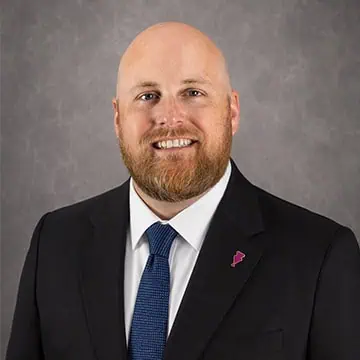
By Dr. David Carfagno | Thoughts on Innovation
Most people think getting fit means pushing harder every day. I see that approach backfire all the time and it often leads to burnout, injury or frustration.
As a sports medicine physician, I’ve trained and competed alongside elite athletes, including representing Team USA in triathlons. One thing they all have in common is this- they don’t go all-out every day. They train with purpose.
The good news? You don’t have to be an elite athlete to train smarter. The same principles we use in sports medicine can work for everyday routines.
Start with consistency, not intensity
Instead of asking, “How hard can I go today?” try asking, “Can I do this again tomorrow?”
Elite athletes build around consistency. Most workouts are low to moderate effort. For many people, that looks like a brisk walk after dinner, a steady bike ride or a light jog you can repeat week after week.
You should finish most workouts feeling like you could do a little more.
Build your engine first
You may hear this called “Zone 2” training. It’s a pace where you can still hold a conversation.
This kind of effort helps your body use oxygen more efficiently and supports long-term health.
It’s not flashy, but it works.
If you can chat while walking, cycling or jogging, you’re in the right zone.
Mix up your effort
Doing the same workout every day can stall progress and increase your risk of injury.
I often remind patients: your body needs variety to improve.
Try alternating harder days with easier ones. For example, follow a more challenging workout with a lighter recovery day like walking or stretching.
Build gradually
One of the most common mistakes I see is doing too much, too soon.
Progress comes from small, steady changes over time. That might mean adding a few minutes to your workout, a little more weight or an extra day of movement each week.
It may not feel like much in the moment, but it adds up.
Focus on how you move
Before athletes increase intensity, they focus on doing movements well.
In my practice, many injuries trace back to poor form. Slowing down, improving technique and building stability can make a big difference.
Think quality first, then intensity.
Use simple signals
Elite athletes track detailed data like heart rate and recovery. You don’t need all of that to train effectively.
Start with simple signals:
- Do you feel rested?
- Are you sore or fatigued?
- Do you have the energy to move?
Even basic awareness can help you make better decisions day to day.
Make recovery part of the plan
Recovery isn’t a break from training, it’s part of it.
Sleep, rest days and lighter movement help your body adapt and get stronger. Skipping recovery is one of the fastest ways to stall progress.
Train your mindset, too
Fitness isn’t just physical.
I often encourage patients to break big goals into smaller steps. Focus on what you can do today. Simple routines, steady habits and even how you talk to yourself during a workout can help you stay consistent.
The bottom line
Training smarter isn’t about doing more. It’s about doing what works consistently, safely and with purpose.
That’s how you build strength, avoid setbacks and keep moving forward.
Editor’s note: Dr. Carfagno is sports medicine physician and Medical Director – Medical Fitness at HonorHealth.