Sponsored Content | Digital Free Press
Unusual weather events are the new normal, with Arizona seeing longer, hotter summers than ever before. Phoenix set a blistering pace in 2025 as the second-hottest year on record, enduring 122 days of triple-digit heat that signals a challenging future for desert residents.
Getting into a car parked in the Phoenix sun is more than uncomfortable; it is a direct threat to your vehicle’s interior components. This extreme heat has transformed window tinting from a cosmetic upgrade into a vital defense against the damaging UV radiation and infrared energy that penetrate standard glass.
Is Phoenix Getting Hotter In 2026?
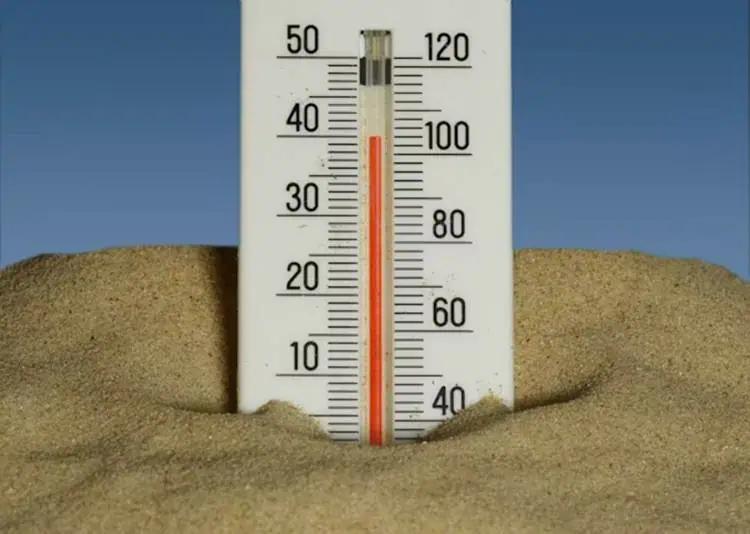
The short answer is yes. According to the National Weather Service, 2025 was the second-hottest year since records began. Although past data isn’t always a reliable indicator for future prediction, records also show that the first quarter of 2026 has been consistently hotter than the same period in 2025, with persistent, widespread heat rather than isolated warm spells.
It’s for this reason that more residents and car owners are considering Auto window tinting in Phoenix this year and are more likely to opt for far darker tints and specialized UV protective films than they might otherwise have contemplated. Paired with what is known as the Urban Heat Island Effect (UHI), whereby urban centers tend to be considerably hotter than more rural regions due to a higher concentration of people, concrete, and air conditioning units.
This creates a recipe for even higher temperatures in the coming years. It’s this increase in UHI effect that can cause significant damage to your vehicle, both externally and internally.
It’s your car that also tends to bear the brunt of such heat due to the fact that you’re driving and parking on asphalt all day long, which essentially absorbs this heat throughout the day and radiates it back out to whatever is there to reabsorb it, usually a car.
As more people head to their cars to escape the extreme temperatures, it’s becoming more important to ensure a comfortable ride.

How Much Heat Does Window Tint Actually Block?
Without getting too much into the science, three types of energy make up the solar spectrum:
- UV rays: These are the most well-known to cause damage to your vehicle and degrade the various materials that make it up. They are also the sort that can cause skin cancer when exposed for a certain amount of time.
- Visible light: This is what we see and doesn’t have any discernible effect on your vision.
- Infrared rays: When we’re discussing heat, it is IR rays that are the primary culprit.
When considering which type of window tint to invest in, you need to consider both UV and IR energy protection if you’re looking for maximum protection.
If heat is your main consideration, then any window tinting material must be able to deflect the maximum amount of IR possible to ensure a noticeable reduction in temperature.
Different window tinting providers will offer more or less protection depending on the type of materials they incorporate into their designs.
| Tint technology | Heat rejection (%) | IR rejection (%) |
| Standard dye | 20-40 | 12-15 |
| Metalized | 45-55 | 40-50 |
| Carbon | 50-60 | 40-60 |
| Ceramic | 60-85 | 80-90 |
Can Extreme Heat Damage Your Car’s Interior Electronics?
Electronics are particularly susceptible to extreme heat, and when a vehicle is left outside during the day without protection, it will continue to heat up inside the cabin to a point where various electronics will begin to fail.
In most instances, you won’t see an effect overnight, but sustained heating will eventually lead to faults and errors that can be attributed to overworked motors (such as in the case of AC), to cracked or warped screens that have become the norm in most modern vehicles.
Modern cars also heavily utilize lithium-ion batteries, which have been documented as being especially sensitive to high temperatures like those experienced in the hot, dry climate of Phoenix.
Outside of the costly electronics, you have to think about how the other forms of energy, like UV, will damage the materials that make up the interior. UV radiation can cause chemical changes to the leather and plastics that form most of the materials inside a car, which, over time, will cause them to end up looking older and becoming more brittle.
What Are The Arizona Window Tint Laws For 2026?
Although you’re probably ready to invest in some form of window tinting already, there are several laws surrounding the use and amount of tinting that is permissible. You need to be aware that most police departments, like those in Phoenix, will pull you over if they believe you’re falling foul of the law in this regard and will use special tools to determine whether your particular levels of tint are legal.
Under Arizona state legislature statute 28-959.01, the legal limit for front side windows is a minimum of 33% Visible Light Transmission (VLT). In real terms, this means that the front side windows must allow at least a third of light to pass through.
It isn’t just the amount of light that can pass through, however. You must also be aware of how reflective the tinted screen is for other road users.
The law mandates a maximum of 35% luminous reflectance to avoid blinding others on the road, and that colors other than red or amber-colored films are used to avoid confusion with emergency services.
Frequently Asked Questions
How Long Does It Take for Auto Tint to Cure in Phoenix Weather?
Most recipients of tinted windows will want to know how long it takes for the film to fully cure on the glass. Although hotter temperatures will indeed help along this process faster than cooler weather, many window tinting companies recommend waiting at least 48 hours before rolling down the windows.
Does Window Tint Help With Electric Vehicle (EV) Battery Range?
Interestingly, the answer is yes! Running the air conditioning on hot days can put a strain on your EV’s battery range. Window tint prevents a significant amount of infrared radiation from entering and heating the interior, which significantly lowers the effort required to run the air conditioner.
Auto Tinting Is Fast Becoming A Necessity For Phoenix Vehicle Owners
As the mercury appears to rise each year, tinting will move from something nice to have to a must-have accessory. As long as you understand how the various options work, the law, and ensure it is applied by a professional company, you can keep your car at a more amiable temperature and avoid costly damage to interior components.
Stay ahead of the heat and keep up with the latest local news, weather alerts, and Phoenix lifestyle updates by visiting the Arizona Digital Free Press today.