Sponsored Content | Digital Free Press
Everything is clear in hindsight, so it would really be easy to pick the title of this analysis apart.
After all, how is buying cryptocurrency a better investment in 2025 than it was in 2016 or 2010? While the payoff is clearly not better, investing a substantial sum in 2008 was more of a gamble or a risk than anything else. You hoped this would explode, but no precedent or even analyzable factors indicated that this token might one day reach $100k.
Today, with regulation on the horizon, the crypto-friendly government in the US and BRICS countries (with 23 new applicants in 2025) is trying to reduce their reliance on USD, and crypto might be a better investment than ever before.
Here is a brief breakdown and analysis.
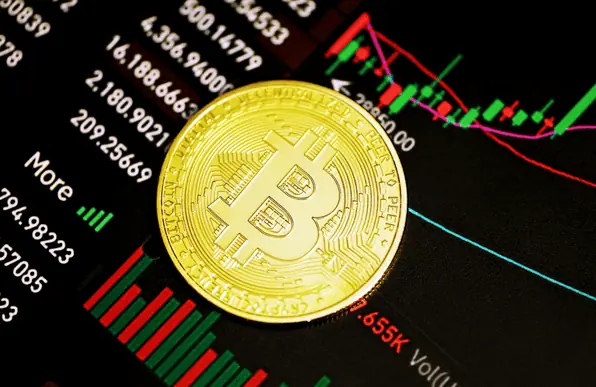
More resources than ever before
Back in the mid-2010s, if you wanted solid crypto advice, you had to dig through forums filled with speculation and half-baked predictions. Most of the people writing about this were either enthusiasts or outright scammers pushing the latest pump-and-dump scheme. Finding someone who actually knew what they were talking about wasn’t easy, and even then, they were usually guessing just like everyone else.
Today, things have changed. Entire research teams, reputable analysts, and financial institutions are dedicated to crypto. Firms like ARK Invest and FIdelity release in-depth reports, and platforms like CoinDesk and Messari provide real-time analysis. Instead of wild guesses, you now have credible data and expert takes from people with years of experience in both traditional finance and blockchain technology.
Crypto itself has aged. It’s not some new, untested concept anymore – it’s been around for 17 years as of 2025. That means historical analysis can actually go beyond a handful of bull runs and market crashes. Traders and analysts now have more data to pull from, making trends more predictable and decision-making more informed. Whether you’re a newcomer or a seasoned investor, finding top-rated crypto investments is easier than ever, with rankings, risk assessments, and historical performance data available at a glance.
In addition, technology is doing some of the heavy lifting. Robo-traders and AI-powered analytical tools have become more advanced than ever. Investors can now access AI-driven insights that track global sentiment, detect patterns, and optimize trades automatically. Crypto is no longer a guessing game – it’s an industry backed by data, expertise, and tools that make smarter investing possible.
Institutional adoption at an all-time high
Major banks and financial institutions have completely changed their views on crypto. A decade ago, they dismissed it as a fad or even an outright scam. Fast forward to 2025, and you’ve got banks offering crypto trading, custodial services, and even dedicated investment portfolios. Institutions no longer ignore crypto – they’re actively integrating it into their financial strategies.
Also, there’s been a massive shift in accessibility. ETFs and regulated crypto investment products have made it easier than ever for traditional investors to get involved. In the past, if you wanted to invest in Bitcoin, you had to set up a wallet, deal with exchanges, and figure out self-custody. Now, you can just buy a Bitcoin ETF through your regular brokerage account, just like you would with stocks.
Moreover, big corporations aren’t just dabbling in crypto – they’re holding onto it. Companies like Tesla and MicroStrategy have set a precedent for publicly traded firms to allocate portions of their balance sheets to Bitcoin. Hedge funds and asset managers are also jumping in, recognizing crypto as a legitimate part of their diversification strategies.
The perception of crypto has changed. It’s no longer just for tech enthusiasts and retail investors. It’s now being treated as a serious asset class, a hedge against inflation, and a crucial part of modern investment portfolios. The more institutions buy-in, the more legitimacy (and stability) crypto gains.
Regulatory clarity is finally arriving
For years, one of the biggest fears about crypto was the lack of clear regulation. Governments couldn’t decide whether to ban, tax, or embrace it, keeping many people on the sidelines. However, by 2025, things had changed. Countries had finally started implementing well-defined regulations rather than just threatening crackdowns.
Also, the U.S. and the EU have established frameworks recognizing crypto as a legitimate asset class. Instead of vague guidelines or contradicting policies, there are now clear tax regulations, reporting requirements, and consumer protections. This makes investing easier for individuals and businesses without worrying about sudden legal changes wiping out their holdings overnight.
Moreover, some countries are leading the way in crypto adoption. El Salvador made Bitcoin legal tender, and other nations have taken similar steps to integrate crypto into their economies. This sets a global precedent – if governments recognize crypto nationally, it’s a sign that it’s not going anywhere.
Regulatory clarity doesn’t just mean fewer surprises – it also makes crypto safer. When clear rules are in place, scammers have a harder time operating, exchanges become more accountable, and investors can trade with greater confidence. The days of legal uncertainty are fading, and that’s only making crypto a more attractive investment.
The rise of crypto-friendly governments
Some governments might still be skeptical of crypto, but a growing number are actively supporting it. BRICS countries, in particular, are moving away from relying on the U.S. dollar, and crypto is helping them do so. With 23 new applicants joining the BRICS in 2025, more nations are looking for alternatives to traditional banking systems.
Also, certain governments are going beyond accepting crypto – investing in it. Countries are funding blockchain research, setting up national mining operations, and even developing their own digital assets. When governments start pouring resources into something, it’s a sign that they see long-term potential.
Moreover, central bank digital currencies (CBDCs) are becoming more common. While they’re not the same as decentralized cryptocurrencies, they normalize digital assets and make blockchain-based transactions more mainstream. This paves the way for broader acceptance of crypto in everyday financial systems.
In countries with high inflation and unstable economies, Bitcoin and other cryptocurrencies are already serving as safe-haven assets. When your national currency loses value overnight, accessing Bitcoin isn’t just convenient – it’s a financial lifeline. The more governments recognize this, the stronger crypto’s role in global finance will become.
Improved security and reduced risks
Crypto security has come a long way since the early days of shady exchanges and constant hacks. Back then, leaving your coins on an exchange was practically asking to lose them. Fast-forward to 2025, and advanced security protocols have made wallets and exchanges safer than ever.
Self-custody solutions have also become much more accessible. Previously, you had to memorize long seed phrases and manage complex wallet software to keep your crypto safe. Now, modern hardware wallets and improved UI/UX designs make self-custody user-friendly.
We’ve seen fewer major exchange collapses and scams compared to the early years of crypto. The days of Mt. Gox-level disasters are mostly behind us, thanks to better regulations and increased scrutiny. Large exchanges now have insurance policies, transparent auditing, and reserve proofing, making them far less risky than before.
Stronger Know Your Customer (KYC) and Anti-Money Laundering (AML) practices have added another layer of security. While some users don’t love the added friction, these regulations help keep bad actors out and make crypto more legitimate in the eyes of regulators.
Key takeaways
Crypto in 2025 isn’t just about hype – it’s backed by years of market evolution, institutional support, and real-world adoption. More businesses accept it, regulations are clearer, and AI-driven analytics make smarter trades easier than ever. Also, with global instability pushing more investors toward decentralized assets, the demand for crypto is only growing.