Sponsored Content | Digital Free Press
A heart. A baby. A team.
Ali Vardaro didn’t feel like herself.
At first, the symptoms were easy to explain away. Swelling, blurred vision, nerve pain in her hand and exhaustion she couldn’t shake. She was pregnant after all, and pregnancy comes with changes. But deep down, something didn’t feel right.
“I kept wondering if I was just being dramatic,” Ali says. “Or if this was just what pregnancy was supposed to feel like.”
It wasn’t.
Ali and her husband Matt were visiting from Boston to celebrate their babymoon. They had plans to relax, enjoy the great weather, go for a few hikes and Matt wanted to play a little golf. That was the plan until Ali reached a breaking point. In the early morning hours of New Year’s Eve, the couple made a decision that would change everything: they went to the hospital.
That choice, listening to her body and speaking up, likely saved two lives.
A sudden turn
Ali and Matt arrived at HonorHealth Scottsdale Osborn Medical Center in the middle of the night. Initial tests raised immediate concerns, including abnormal cardiac markers, and clinicians recognized that this was more than a routine pregnancy complication.
The stakes were high. Ali was just 28 weeks pregnant.
Within hours, the decision was made to transfer Ali to HonorHealth Scottsdale Shea Medical Center, where advanced cardiac, obstetric and neonatal teams could work side by side.
Imaging revealed a severe heart valve infection causing dangerous leakage, a rare and life-threatening situation, especially during pregnancy.
“The chaos of it all truly felt like an out of body experience,” Matt says. “One minute we were on vacation. The next, we were talking about heart surgery and delivering our daughter months early.”
Calm in the chaos
As the medical plan came together, one thing stood out to Ali and Matt, the steady reassurance from the team guiding them through each decision.
Neonatologist Dr. Ashish Patel met with them early on to talk through what a premature delivery could mean.
“I remember him sitting close and speaking so calmly,” Matt recalls. “He told us, ‘Your baby is going to be okay.’ We needed to hear that.”
Cardiologist Dr. Christina S. Reuss was among the physicians evaluating Ali’s heart. “This was a rapidly evolving situation,” Dr. Reuss says. “The only way to manage something this complex is through close collaboration and constant communication across teams.”
Within days: A birth and heart surgery no one expected
While Ali was early in the third trimester, everyone agreed, delivering the baby was the safest path forward for both mother and child.
Within 24 hours of arriving at Shea, Ali delivered their daughter, Emilia, via C-section.
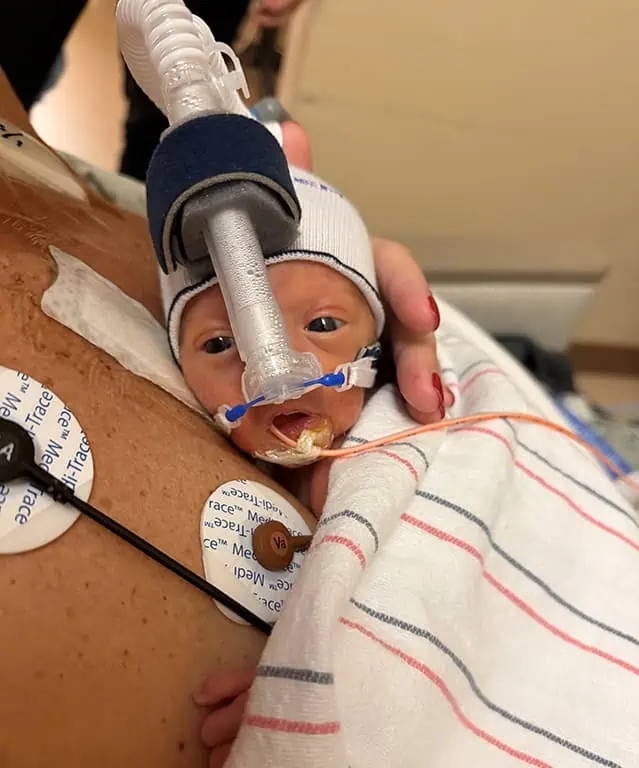
Before being separated for the care they each urgently needed, Ali was able to hold Emilia skin to skin — a quiet, powerful moment amid the chaos.
“That moment meant everything,” Ali says. “I didn’t know what was coming next, but I knew she was here. She was real. And she was fighting.”
Soon after delivery, Ali underwent open-heart surgery to repair the damage caused by the infection later traced to bacteria likely introduced during a routine dental cleaning weeks earlier.
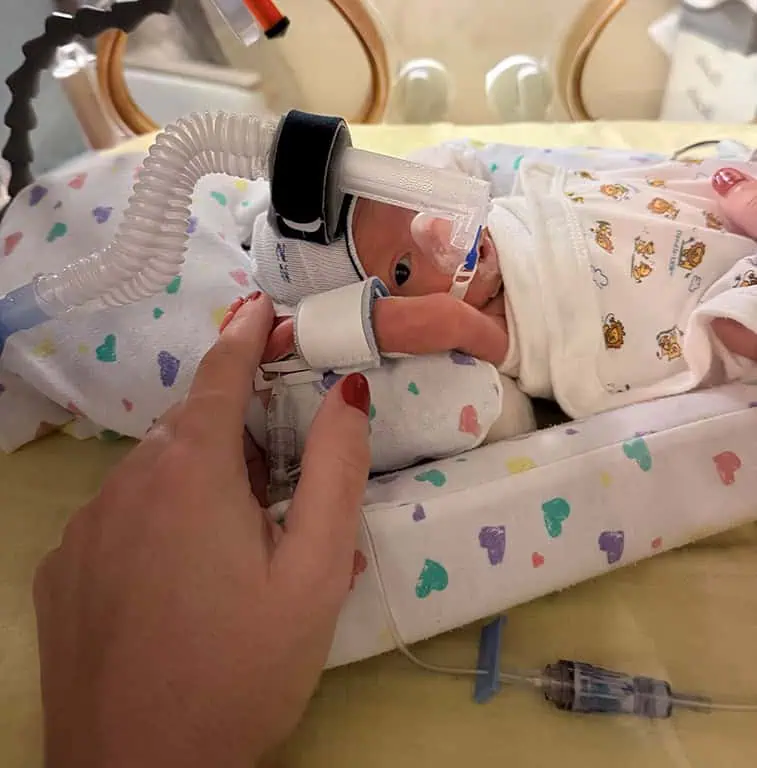
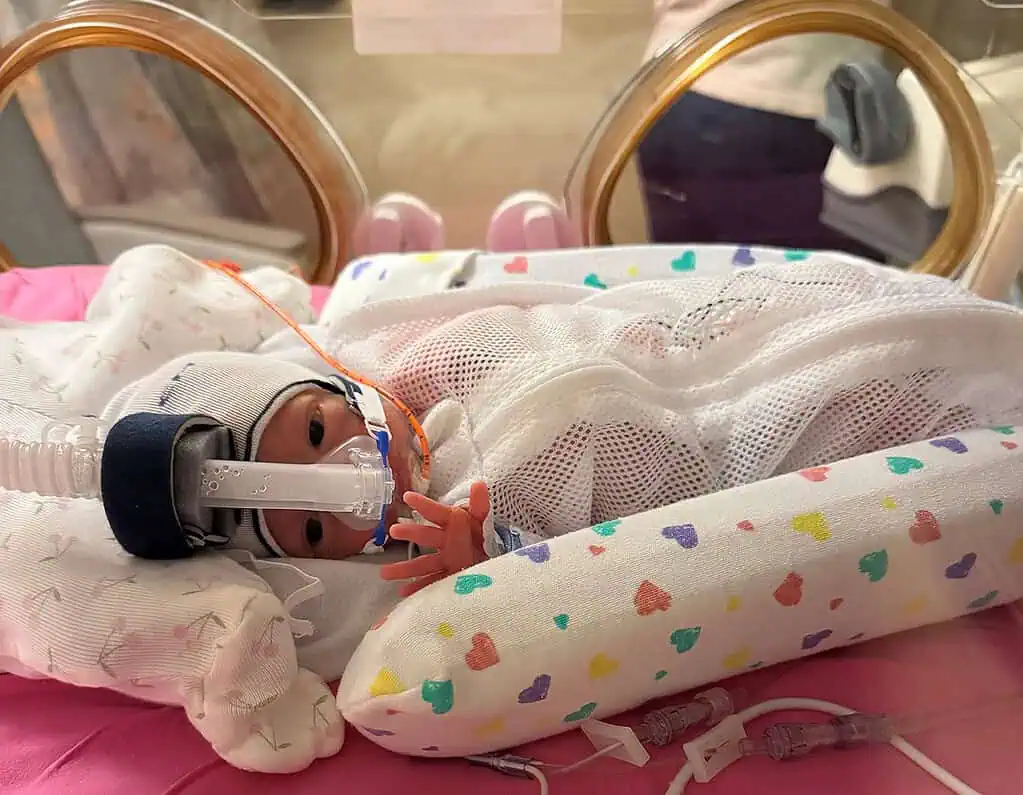
While Ali was in surgery, Emilia was cared for in the NICU by a specialized neonatal team experienced in supporting babies born very early.
Two patients. Two care plans. One coordinated mission.
The journey continues
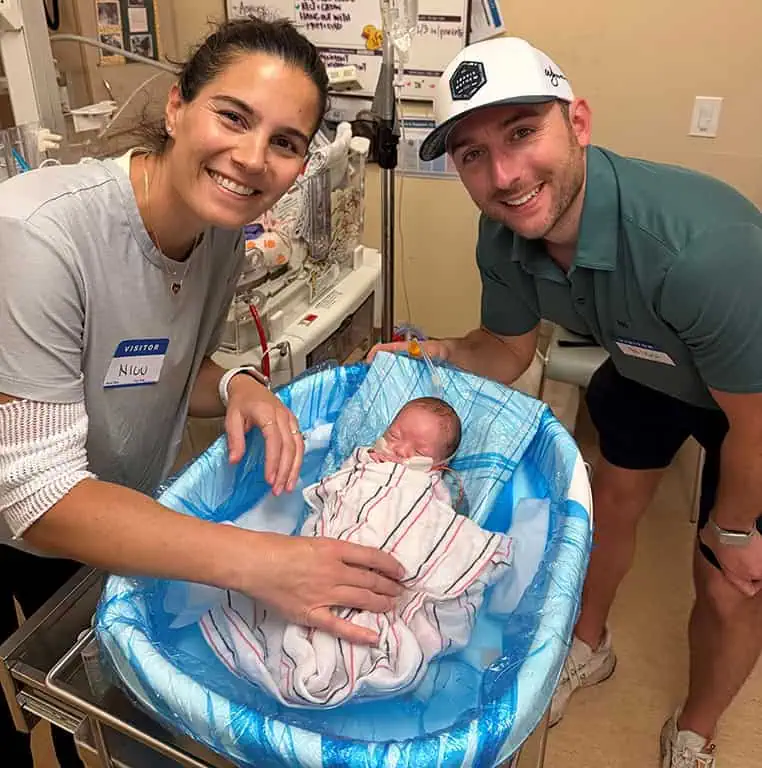
Today, Ali is healing. Emilia weighing 2 pounds, 9 ounces at birth is now up to 4 pounds four ounces. She’s still in the NICU but is making progress every day.
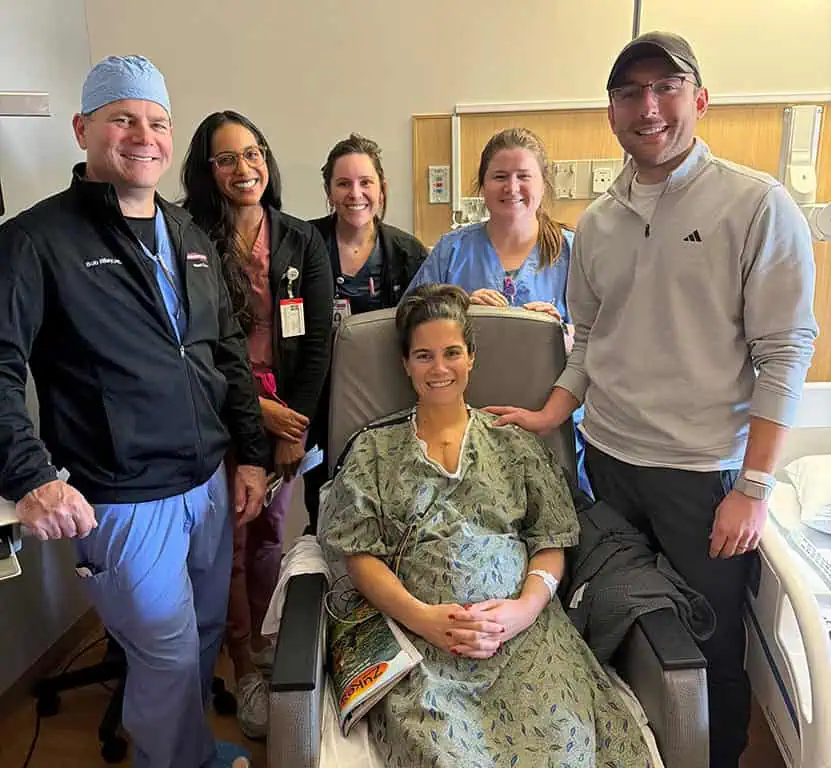
“She’s doing incredibly well,” Ali says of Emilia. “And I’m doing better every day. We wouldn’t be here without every single person who refused to give up on us.”
Matt agrees.
“This wasn’t one hero,” he says. “It was dozens of people showing up for us at every step. That’s what saved our family.”
A message for other women
Ali hopes sharing their story encourages other women to trust themselves, especially when something feels off.
“I keep thinking about how close I was to brushing it off,” Ali says. “If there’s one thing I hope other women take from this, it’s that you know your body. If something feels wrong, say something. Push. Ask again.”
Matt puts it simply.
“The expertise mattered,” he says. “But so did the humanity. We weren’t just patients. We were partners in the process.”