
Sponsored Content | Digital Free Press
In Phoenix, as mental health challenges rise alongside population growth, paying attention to how neighborhoods are designed is becoming just as vital as what happens in a clinic.
For some residents, there comes a point when they wonder if therapy isn’t helping, and they begin to look beyond appointments, toward the spaces they live in, the streets they walk, the neighbors they see, and the parks they visit. Elements like green space, walkability, and opportunities for social connection aren’t amenities; they’re essential parts of community health.
Why Neighborhood Design Matters for Mental Health
The design of neighborhoods influences stress levels, daily routines, social interaction, and even long-term physical health. This is particularly relevant in the Phoenix metro area, where rapid growth has reshaped once-compact neighborhoods into sprawling suburban landscapes.
When homes are separated from shops, parks, or community centers, residents often spend more time in cars and less time connecting with neighbors. That isolation can fuel feelings of loneliness or anxiety. By contrast, neighborhoods with shaded sidewalks, safe crossings, and nearby green spaces encourage walking, gathering, and casual encounters, all of which contribute to improved mental wellness.
Research supports these links. Studies show that residents with easy access to green spaces report lower levels of stress and depression. Walkable neighborhoods have also been tied to better physical health outcomes and higher resilience against cognitive decline.
Key Features of Mental Wellness-Friendly Neighborhoods
Building neighborhoods with mental health in mind means thinking beyond individual homes. It requires designing systems and amenities that make daily life easier, healthier, and more connected.
- Ample, Accessible Green Spaces
Parks, community gardens, and tree-lined streets offer more than aesthetic value. They provide relief from heat, opportunities for physical activity, and calming environments. Even small pocket parks in Phoenix can help reduce the urban heat island effect while serving as vital community hubs. - Safe, Walkable Streets
Sidewalks that are shaded, continuous, and well-lit make walking not only possible but pleasant. Safe pedestrian crossings and traffic-calming features reduce risks and encourage more people to walk or bike. This increases social interaction and reduces reliance on cars. - Mixed-Use & Proximity to Amenities
When residents live within walking distance of grocery stores, pharmacies, and health clinics, they feel more connected and less stressed by long commutes. Mixed-use zoning also supports small businesses, which in turn become gathering points that strengthen community ties. - Spaces for Social Connection
Public plazas, shaded seating areas, and multipurpose community centers provide places where neighbors can meet. Events like farmers markets or outdoor concerts in these spaces further reduce isolation, creating opportunities for natural, everyday connection.
Examples & Authority Perspectives
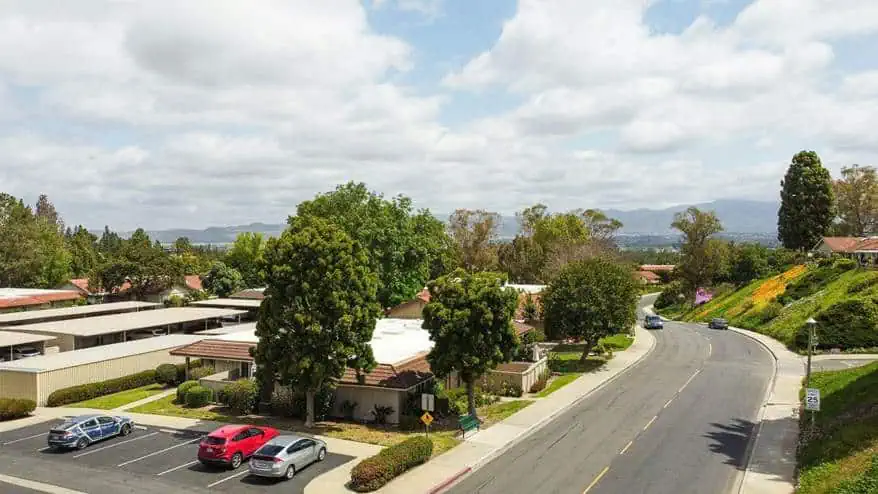
(Photo Credit: Unsplash/DigitalFreePress)
The American Psychological Association notes that regular outdoor activity and exposure to nature can reduce depression, boost mood, and support resilience.
Closer to home, Phoenix researchers have found inequities in green space distribution. Lower-income neighborhoods often have fewer parks, or parks that are harder to reach due to poor sidewalks or unsafe crossings. That lack of access means entire communities miss out on the mental health benefits green space can provide.
These findings reinforce that it isn’t enough for a city to have parks on a map. They must be well-maintained, safe, shaded, and woven into the daily fabric of community life.
Barriers & Challenges
Despite the benefits, designing mental wellness into neighborhoods isn’t without obstacles.
- Heat & Climate Pressures: In Phoenix’s extreme summers, outdoor spaces can feel hostile without shade trees, canopies, or cooling infrastructure.
- Infrastructure Gaps: Many neighborhoods still lack continuous sidewalks or safe crossings, limiting walkability.
- Zoning Limitations: Traditional zoning separates residential and commercial uses, making mixed-use communities harder to develop.
- Equity Concerns: Disparities in infrastructure and investment leave some communities far behind, deepening health and wellness gaps across the metro area.
What Phoenix Could Do Next
To build neighborhoods that better support mental wellness, city leaders, planners, and developers could focus on:
- Expanding Shade & Green Canopy: Plant more trees along sidewalks and invest in shaded bus stops to make outdoor activity viable in the desert climate.
- Reforming Zoning Codes: Allow for mixed-use developments near transit corridors, creating walkable hubs with services and housing close together.
- Investing in Pedestrian Infrastructure: Continuous sidewalks, safer crossings, and better lighting will make walking practical for residents of all ages.
- Ensuring Equitable Access: Prioritize green space and infrastructure improvements in underserved neighborhoods to reduce health disparities.
- Encouraging Community Programming: Support events, classes, and activities in public spaces to foster interaction and reduce social isolation.
The Bigger Picture
Phoenix’s population continues to grow, and with it, the need for thoughtful planning. Designing neighborhoods that integrate mental wellness isn’t just about adding parks or sidewalks, it’s about creating environments that make life healthier and more connected.
When communities provide opportunities to walk, gather, and enjoy green space, residents gain more than convenience. They gain a stronger sense of belonging, resilience against stress, and better overall well-being. For a city facing challenges of growth, climate, and affordability, these investments may be some of the most powerful mental health strategies available.