By Dr. Shanyn Lancaster | Thoughts on Innovation
In just a few weeks, many of the country’s best gymnasts will be in Phoenix competing for national titles and a chance to earn a spot on the U.S. National Team.
I’ll be there, too.
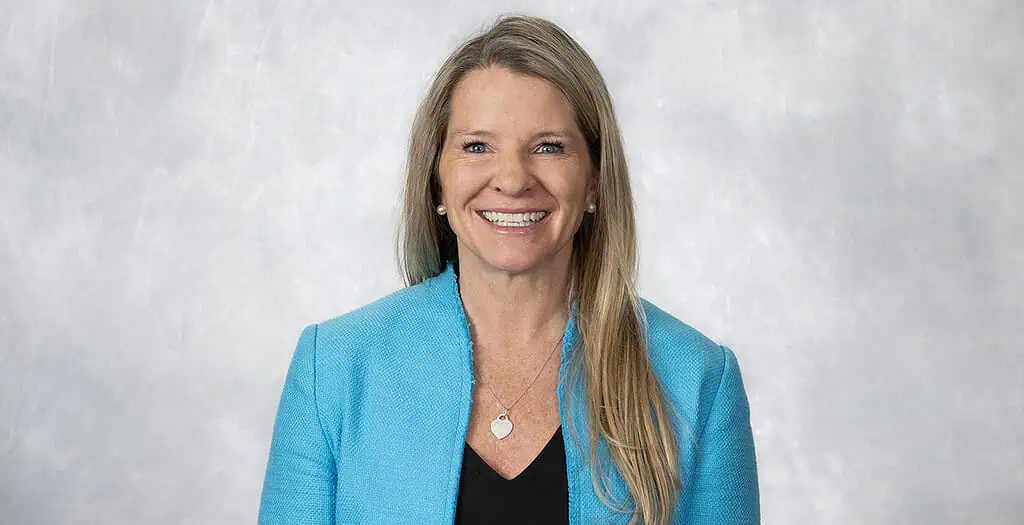
Partly as a fan, because I love the sport. But I’ll also be there as Medical Director for USA Gymnastics, helping care for these remarkable athletes throughout the competition.
For me, it’s a full-circle moment.
Long before I became a sports medicine physician, I was a gymnast. I spent countless hours in the gym chasing skills that always seemed just out of reach before eventually competing in college and helping my team win a Big Ten championship.
Looking back, it’s hard to imagine my life without gymnastics. It shaped who I am, led me to sports medicine and ultimately brought me back to the sport I still love.
Now I can’t wait for others to experience that same feeling.
If you’ve only watched gymnastics during the Olympics, you’re in for a surprise.
Television captures the excitement, but it can’t fully convey what these athletes are capable of. You’ll hear the crowd erupt after a perfectly landed vault. You’ll see athletes soar higher than television ever makes possible. And you’ll appreciate the incredible strength it takes to make some of the world’s most difficult skills look almost effortless.
Even after spending much of my life around gymnastics, I still find myself amazed.
What I hope people notice, though, isn’t just the spectacular routines. Every performance represents years of dedication. Behind a routine that lasts less than two minutes are thousands of hours repeating the same skills, refining the smallest details and getting back up after countless falls.
Success isn’t built during competition. It’s built long before the athletes ever step onto the floor.
That’s also what makes caring for athletes so meaningful. My goal has never been simply to treat injuries. It’s to help people participate safely, recover thoughtfully and continue doing the activities that give their lives meaning.
I believe that exercise is medicine, and I’m passionate about helping people stay active throughout their lives. Whether I’m caring for an elite gymnast chasing a national title or helping a young athlete return to the sport they love, the goal is the same: to help people keep doing what brings them joy.
And that’s why one of my favorite parts of events like this isn’t always the competition itself.
It’s watching young gymnasts in the stands.
I know exactly what many of them are thinking because I was once one of them. They’re imagining what it would feel like to compete on that same floor someday, dreaming of becoming the next Simone Biles, Suni Lee or Hezly Rivera.
Even if they never become elite athletes, they’ll leave inspired by what’s possible through hard work, resilience and determination. They’ll also discover confidence, lifelong friendships and a love of movement that stays with them well beyond gymnastics.
And you don’t have to know anything about gymnastics to enjoy the experience. Whether it’s your first meet or your fiftieth, you’ll watch Olympic medalists, world champions and rising stars perform skills that are every bit as breathtaking in person as they are technically demanding.
Even after all these years, I still get butterflies when the first athlete steps onto the competition floor. Maybe that’s because a part of me will always be that young gymnast dreaming about moments like these.
As you watch these remarkable athletes take the floor in Phoenix, I hope you’ll experience some of the same wonder that made me fall in love with gymnastics in the first place.
Editor’s Note: Dr. Shanyn Lancaster is a former college gymnast who won a Big 10 championship and is the current medical director for USA Gymnastics and a sports medicine physician for HonorHealth.