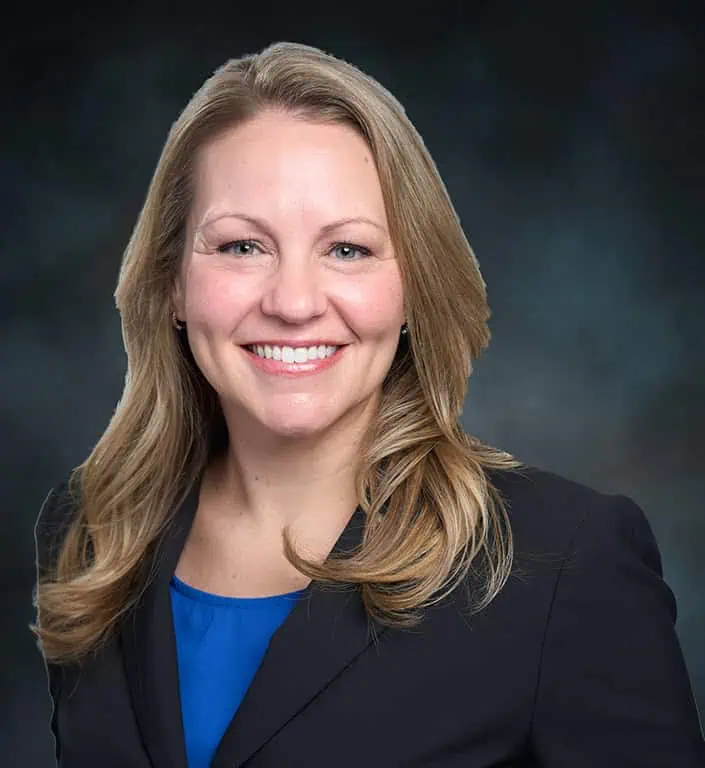
By Dr. Darlene Moyer | Thoughts on Innovation
One question I hear often from patients and families is, “Which medical alert device should we get?”
My answer is usually the same: the best device is the patient will actually wear.
There isn’t one right choice for everyone. What works well for one person may not be the best fit for someone else. That’s why I encourage patients to be part of the decision whenever possible. If they help choose the device, they’re much more likely to use it.
According to the Centers for Disease Control and Prevention, about one in four adults age 65 and older falls each year. Falls are one of the leading causes of injury for older adults. A medical alert device can’t prevent a fall, but it can help someone get assistance quickly if one happens.
One of the first things I think about is whether the device fits the person’s abilities and daily routine. Some patients are very comfortable with technology and like the features a smartwatch offers. Others are much better off with a simple button on a pendant or around the wrist.
I also encourage families to think beyond the device itself. Does your loved one have a history of falls? Do they have arthritis or another condition that might make it difficult to press a button? Do they have memory problems or dementia that could put them at risk of wandering? Those answers can help determine whether features like automatic fall detection or GPS tracking are worth having.
Sometimes the hardest part isn’t choosing a device, it’s convincing someone they need one.
Many patients tell me they don’t want to wear something that makes them feel old, or they worry about privacy. Rather than focusing on the device, I try to focus on what’s important to them. If staying in their own home is their goal, we talk about how a medical alert device may help make that possible. To me, it’s supporting what matters most to them in a way that aligns with their goals.
Unfortunately, many people don’t think about a medical alert device until after they’ve had a fall or another emergency. If that’s already happened, it’s worth reflecting on what happened, and if an alert device might help in the future. Sometimes patients are more willing to consider their options after an event like that.
I also remind families that choosing a device isn’t a one-time decision. As someone’s health changes, their needs may change too. It’s worth revisiting whether the device they’re using is still the right fit.
If you’re helping a loved one choose a medical alert device, here are a few questions I’d start with:
- Will they wear it every day?
- Can they use it comfortably and confidently?
- Are they at higher risk for falls?
- Would automatic fall detection provide added peace of mind?
- Would GPS tracking be helpful?
- Does their insurance plan offer coverage or discounts?
Some Medicare Advantage plans include coverage or discounts for medical alert devices, so it’s worth checking your benefits before making a purchase.
At the end of the day, I don’t tell patients which device to buy. I encourage them to choose the one that fits their life. When patients, families and healthcare providers make that decision together, they’re much more likely to find a solution that supports both safety and independence in alignment with patient goals.
Editor’s Note: Dr. Darlene Moyer, is a board-certified in both Family and Geriatric Medicine. She has more than 20 years of experience caring for older adults and teaching the next generation of physicians.