Staff Reports | Science & Technology
The Smart Fit Method announced preliminary findings from a clinical study examining how a structured fitness, recovery and longevity protocol may affect markers associated with biological aging.
Study participants ages 50 to 70 experienced an average predicted healthspan increase of 8.2 years during the eight-week study period. One participant recorded a measured age reduction of 30 years based on the study’s assessment methods. Researchers also found that increases in VO₂ max — a measure of the body’s ability to use oxygen during intense exercise — were associated with a 15% to 30% reduction in mortality risk, according to a press release.
“This study reinforces a simple but powerful idea: aging is not a fixed process, it is something we can directly influence,” Connor Darnbrough, co-founder of The Smart Fit Method, said. “By combining efficient, high-quality training with targeted recovery and oxygen therapies, we’re seeing real improvements in how people move, think and feel in just weeks.”
For study participant Vivian Phillips, the program produced significant health changes.
“My life has been changed. Before the study, I was very unhealthy,” Vivian Phillips said. “In eight weeks, my blood sugar greatly decreased, my heart is much stronger, my blood pressure has gone down significantly and I’m definitely much stronger. At the end of the day, the ASU Team Healthspan program saved my life.”
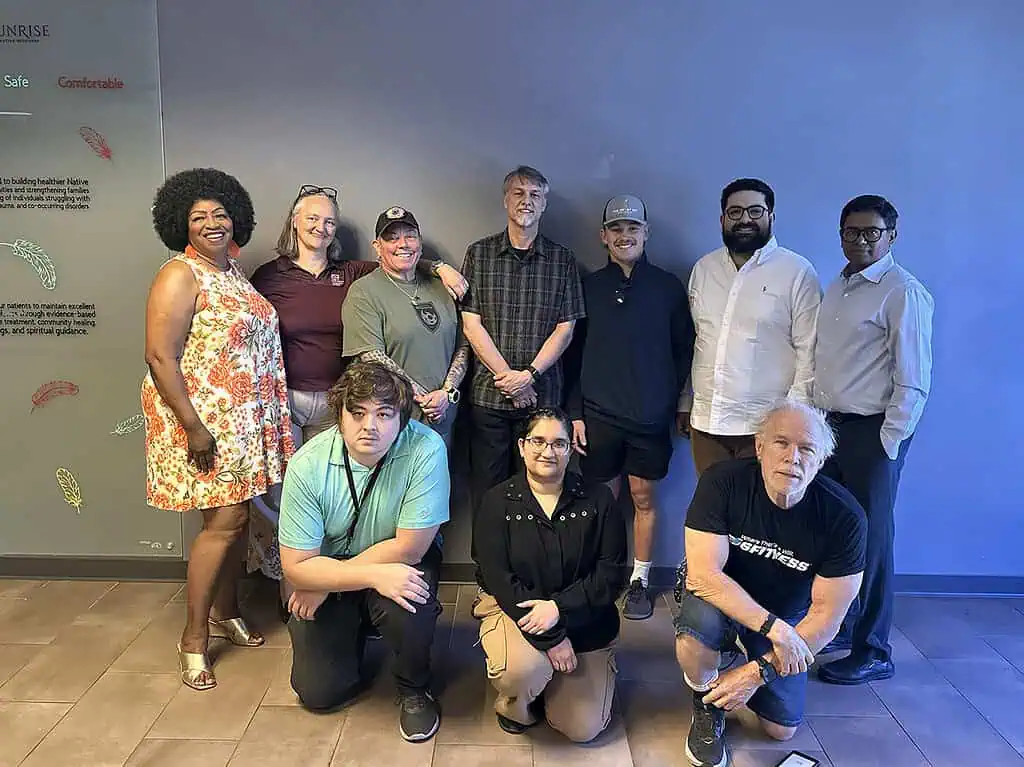
The research is part of Arizona State University’s Team Healthspan initiative, which is participating in the XPRIZE Healthspan competition. The competition challenges teams to improve muscle, cognitive and immune function by at least a decade.
The findings add to ongoing research focused on healthspan, or the number of years a person remains healthy, active and independent. The Smart Fit Method was selected as the fitness protocol for the initiative because of its personalized, technology-based approach to training and recovery.
The company provided its artificial intelligence-driven equipment and training protocols for the study, allowing researchers to deliver individualized exercise programs throughout the eight-week trial.
Hyperbaric and hypoxia sessions involving multibaric chambers were led by Joseph Dituri, an associate professor at the University of South Florida and a member of the ASU Team Healthspan research team.