Sponsored Content | Digital Free Press
Losing a loved one is one of the most painful experiences anyone can endure. When that loss is caused by someone else’s negligence, the grief can feel even more Unbearable. In New Jersey, wrongful death lawsuits provide a way for families to seek justice and financial compensation for their loss. But how do you prove negligence in such cases?
When you’re dealing with grief, legal matters can seem stressful. However, understanding how to prove negligence in a New Jersey wrongful death lawsuit can help you seek justice for your loved one. With the right evidence and legal help, you can hold responsible parties accountable and get compensation to help with expenses and losses.
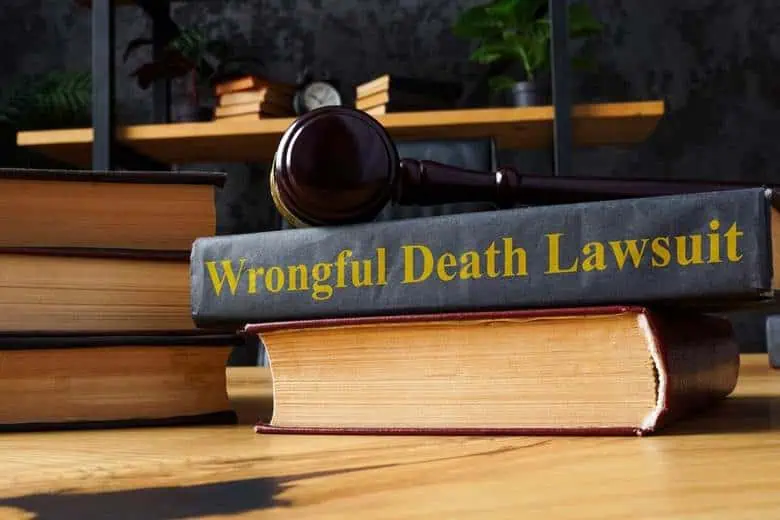
What Is a Wrongful Death Lawsuit in New Jersey?
A wrongful death lawsuit in New Jersey is a legal claim filed under the Wrongful Death Act (N.J.S.A. 2A:31-1 to 6) when a person dies due to another party’s careless, reckless, or intentional actions. It aims to recover financial damages for surviving family members to cover medical bills, funeral costs, lost income, guidance, care, support, pain, and suffering endured before death.
Only the executor or administrator of the deceased’s estate—named in the will or appointed by the court—can file the lawsuit on behalf of dependents. It’s essential to act within the two-year statute of limitations to avoid losing the right to sue.
What Is Negligence in a Wrongful Death Case?
Negligence is a legal term that means someone failed to use reasonable care, and that failure caused harm. In a wrongful death case, you must show that the other party’s negligent actions led to your loved one’s death.
To prove negligence in a New Jersey wrongful death lawsuit, you need to show four things:
- Duty of Care: The person had a responsibility to act carefully
- Breach of Duty: The person failed to meet that responsibility
- Causation: Their failure directly caused the death
- Damages: The death resulted in measurable losses
In NJ, Adam Rosengard, a wrongful death attorney from rosengardlawgroup.com, ensures that families receive the compensation they deserve during their most challenging times. With an exceptional record of resolving wrongful death cases, he guides families through proving negligence, gathering evidence, and securing rightful compensation.
How to Prove the Elements of Negligence
Proving negligence is like putting together puzzle pieces. You need all four pieces to complete the picture.
Proving Duty of Care
To prove negligence in a New Jersey wrongful death lawsuit, the first step is establishing that the person or company had a “duty of care,” meaning they were responsible for acting safely towards others. Examples include drivers following traffic laws, doctors providing proper medical care, property owners maintaining safe premises, and companies producing safe products.
In most cases, proving a duty of care is straightforward, as certain responsibilities are automatically expected, such as a driver’s duty to drive safely.
Proving Breach of Duty
Next, you must show that the person or company failed to meet their duty of care. This is called a “breach of duty.” You need to prove they did something wrong or failed to do something they should have done.
Examples of breach of duty might include:
- A driver who was texting while driving
- A doctor who made a serious mistake during surgery
- A store that didn’t clean up a dangerous spill
- A company that sold a product they knew was unsafe
To prove breach of duty, you’ll typically need evidence such as eyewitness testimony, expert opinions, photos or videos, police reports, medical records, and safety violation records. These help demonstrate how the person or company failed to meet their responsibility, supporting your wrongful death claim.
Proving Causation
The third part of how to prove negligence in a New Jersey wrongful death lawsuit is showing that the breach of duty directly caused the death. This can sometimes be tricky because you need to show that:
- The death wouldn’t have happened if the person had acted carefully (called “cause in fact”)
- The death was a foreseeable result of the careless action (called “proximate cause”)
To prove causation in a wrongful death case, such as a pedestrian hit by a texting driver, you must show that the driver’s distraction directly caused the fatal injuries. Evidence may include medical expert testimony linking the injuries to the death, accident reconstruction experts, and medical records detailing the cause of death, demonstrating a clear connection between the driver’s actions and the pedestrian’s demise.
Proving Damages
Finally, you must show the actual losses (damages) that resulted from the death. In New Jersey wrongful death cases, damages can include:
- Medical expenses before death
- Funeral and burial costs
- Lost income and benefits that the person would have earned
- Loss of services that the person provided to the family
- Loss of guidance, care, and companionship
Proving damages in a wrongful death case typically requires evidence such as medical bills, funeral receipts, employment records showing income, expert testimony about future earnings, and testimony about the relationship between the deceased and family members, all of which help establish the extent of the losses suffered.

What are the Common Types of Wrongful Death Cases in New Jersey
Wrongful death cases can arise from many different situations. Here are some common types:
Car and Truck Accidents
Vehicle accidents are a leading cause of wrongful death cases. These often involve:
- Distracted driving (like texting)
- Drunk driving
- Speeding
- Reckless driving
- Trucking company negligence
In these cases, evidence might include police reports, witness statements, traffic camera footage, and vehicle data recorders.
Medical Malpractice
When healthcare providers make serious mistakes that lead to death, it’s called medical malpractice. Examples include:
- Surgical errors
- Medication mistakes
- Misdiagnosis or delayed diagnosis
- Birth injuries
- Anesthesia errors
Medical malpractice cases usually require expert testimony from other doctors who can explain how the care provided fell below acceptable standards.
Workplace Accidents
Some jobs are more dangerous than others, but all employers must provide a safe workplace. Workplace wrongful death cases might involve:
- Construction accidents
- Industrial accidents
- Equipment failures
- Exposure to toxic substances
- Inadequate training or safety measures
In workplace cases, OSHA reports, safety records, and expert testimony are often important evidence.
Premises Liability
Property owners must keep their property reasonably safe. When they fail to do so and someone dies as a result, it’s called premises liability. Examples include:
- Falls from unsafe staircases
- Swimming pool drownings
- Building collapses
- Fires due to code violations
- Inadequate security leading to assault
Evidence in these cases often includes property records, maintenance logs, building code violations, and expert inspection reports.
What are the Challenges in Proving Negligence
New Jersey ranks 11th in the United States for wrongful death cases, with 6.3 cases per 100,000 residents. Proving negligence in a New Jersey wrongful death lawsuit can be challenging due to difficulties in gathering evidence, complex legal standards, and strong defense strategies.
Evidence may be hard to collect, especially if time has passed, and important evidence might be lost, controlled by the negligent party, or require expert interpretation. New Jersey law has specific, complicated rules about wrongful death cases, including limitations on who can receive compensation and what damages are available.
Additionally, defendants may employ various defenses, such as arguing they had no duty of care, blaming someone else, or suggesting the deceased was partly at fault, making it crucial to have experienced legal guidance.
Conclusion
Proving negligence in a New Jersey wrongful death lawsuit requires demonstrating duty of care, breach, causation, and measurable damages. Consulting an experienced attorney can help families handle the process, gather evidence, and secure rightful compensation. Acting promptly is necessary, as there is a two-year deadline to file such claims. While justice cannot erase loss, it provides financial security and closure.