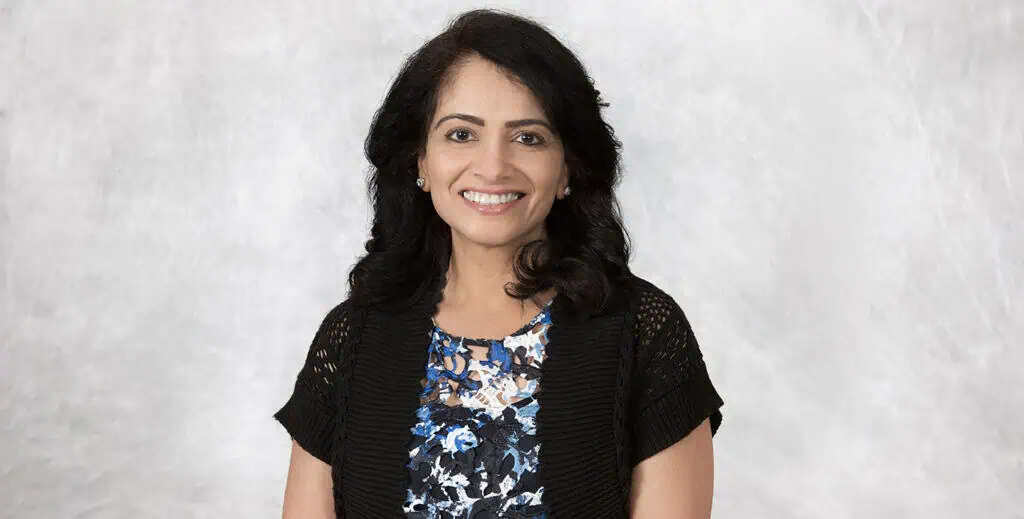
By Dr. Manisha Purohit | Thoughts on Innovation
Hair loss during menopause can be discouraging. I see it in my office nearly every day, and I hear the same fear in women’s voices: “Is this permanent? Am I going to lose all my hair?”
The good news is, while hair changes are common during menopause, they are not hopeless. With the right care, support and treatment, many women can maintain healthy, fuller hair through menopause and beyond.
Why hair loss happens
Hormones play the biggest role. During menopause, levels of estradiol and progesterone — the hormones that help keep hair growing longer and stronger — naturally decline. That means hair grows more slowly, feels thinner and falls out more easily.
At the same time, androgens (male hormones, which women also have) become more dominant. That shift can lead to shedding or thinning, especially along the crown and temples.
What it looks like
Menopausal hair loss usually shows up as diffuse thinning, not bald patches. Women may notice their part widening, less volume at the crown, or more hair showing up in the shower drain or brush. Some say their ponytail feels smaller.
Changes in texture
Hormonal changes can also affect the way your hair feels. Some women notice their hair becomes drier, coarser and more brittle. Others see the opposite: increased oiliness at the scalp or changes in curl and wave pattern.
While you can’t completely prevent menopause-related hair loss, there are many steps that make a difference:
- Nutrition matters. A balanced diet with enough protein and iron supports hair growth. Low levels of vitamin D, zinc and selenium can contribute to hair loss, so it’s worth checking with your provider before starting supplements. Omega-3 fatty acids are also helpful for scalp hydration.
- Gentle care. Avoid tight hairstyles, harsh chemicals and excessive heat. These can weaken hair that is already more fragile.
- Manage stress and sleep. Both affect hormone balance and, in turn, hair health.
- Treat underlying issues. Conditions such as thyroid disease or anemia can make hair loss worse.
Shampoo and vitamins
A question I often get is: “Can shampoo fix this?” The answer is no — but the right kind can help. Look for gentle, sulfate-free shampoos with biotin, keratin or caffeine. Volumizing formulas can give the appearance of fuller hair.
As for vitamins, biotin supports keratin production, vitamin D helps regulate hair growth, and iron is important if you’re deficient. Always check your levels first — more isn’t always better.
Medical and emerging treatments
For women who want more than lifestyle changes, there are options:
- Minoxidil. This topical treatment is FDA-approved and can stimulate regrowth.
- Low-level laser therapy. Devices used at home or in the office may improve hair density.
- Hormone therapy. In some cases, this can help, depending on overall health and risks.
- Prescription options. Medicines such as spironolactone can reduce the effect of androgens.
- Platelet-rich plasma (PRP) injections. An emerging treatment that uses your own blood plasma to stimulate follicles.
Natural approaches
Some of my patients prefer chemical-free options. In addition to dietary changes, I share a handout on scalp-nourishing oils, such as pumpkin seed, coconut and rosemary oil, along with natural sprays made from biotin, caffeine and rice water.
I also draw on my background in Ayurvedic medicine, which connects hair health to overall balance in the body. Oils like bhringraj, amla and brahmi have been used for centuries to calm the scalp, strengthen roots and promote growth.
Final thoughts
If you are experiencing hair loss during menopause, know this: you are not alone, and it does not mean you’re destined for thinning hair forever. With early attention, a thoughtful approach and, if needed, medical treatment, you can protect your hair and your confidence.
Menopause is a new chapter, not the end of the story. With the right care, your hair can stay as strong and resilient as you are.
Editor’s Note: Manisha Purohit, MD, a board-certified OBGYN, is originally from Chandler and practices out of HonorHealth OBGYN – Gilbert