Staff Reports | Happenings & Events
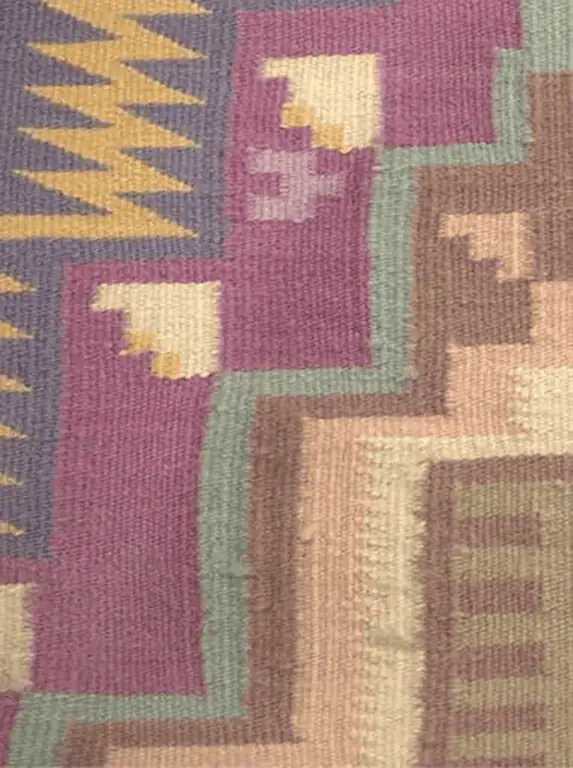
This September, Western Spirit: Scottsdale’s Museum of the West invites visitors to explore the artistic decisions, traditions and techniques behind Navajo weaving through a new exhibition focused on contemporary textile works.
Beginning Friday, Sept. 5, Woven: Navajo Textiles from the Pelberg Collection will examine the artistry behind contemporary Navajo weaving through seven modern works by Diné (Navajo) artists. Representing a range of styles, the works highlight how generations of weavers have drawn on regional traditions while making individual choices about color, pattern, materials and design. Guided by generations of knowledge and individual creativity, those choices are woven into every finished work.
The exhibition follows wool from sheep to finished textiles through interpretive displays and three hands-on experiences featuring raw wool, dyed skeins and a woven sampler, according to a press release.
To mark the exhibition’s opening, the museum will offer free admission to children 17 and younger Friday, Sept. 5, and Saturday, Sept. 6, during Labor Day weekend. Children and families will be invited to tour the exhibition and participate in hands-on activities, including a take-home weaving project.
Immersive window images of a Diné weaver at the loom will help connect the finished works to the places, materials, knowledge and people behind them. A dedicated children’s activity area will feature books, seating and a take-home weaving activity.
The weavings are drawn from the Art and Linda Pelberg Family Collection of Native American Art. Collected over nearly 50 years and donated to Western Spirit in 2022, the collection includes modern and contemporary textiles, carvings and pottery from the Southwest.
Dr. Andrew Patrick Nelson, chief curator, described Navajo weaving as “one of the great art forms of the Southwest—a vibrant, living tradition.” The exhibition, he said, is built around what a finished textile conceals and reveals.
“A weaving begins with a decision and is followed by dozens more. By the time you see the finished piece, none of that work is visible. We wanted to make that process, that history, visible,” Dr. Nelson said.
Assistant Curator Natalie Reichert, lead curator of the exhibition, said she hopes visitors will leave with a greater understanding of Navajo weaving as a living art form.
“These incredible weavings have been sustained through generations of knowledge but are also consistently renewed through the weaver’s own personal choices,” Ms. Reichert said. “The foundation of the art form has remained unchanged for centuries, yet the implementation of individual artistry makes Navajo weaving truly limitless.”