Sponsored Content | Digital Free Press
As Arizona’s population ages and more adults look to remain active later in life, orthopedic care is entering a new era, one increasingly shaped by robotics, outpatient surgery and more personalized treatment plans.
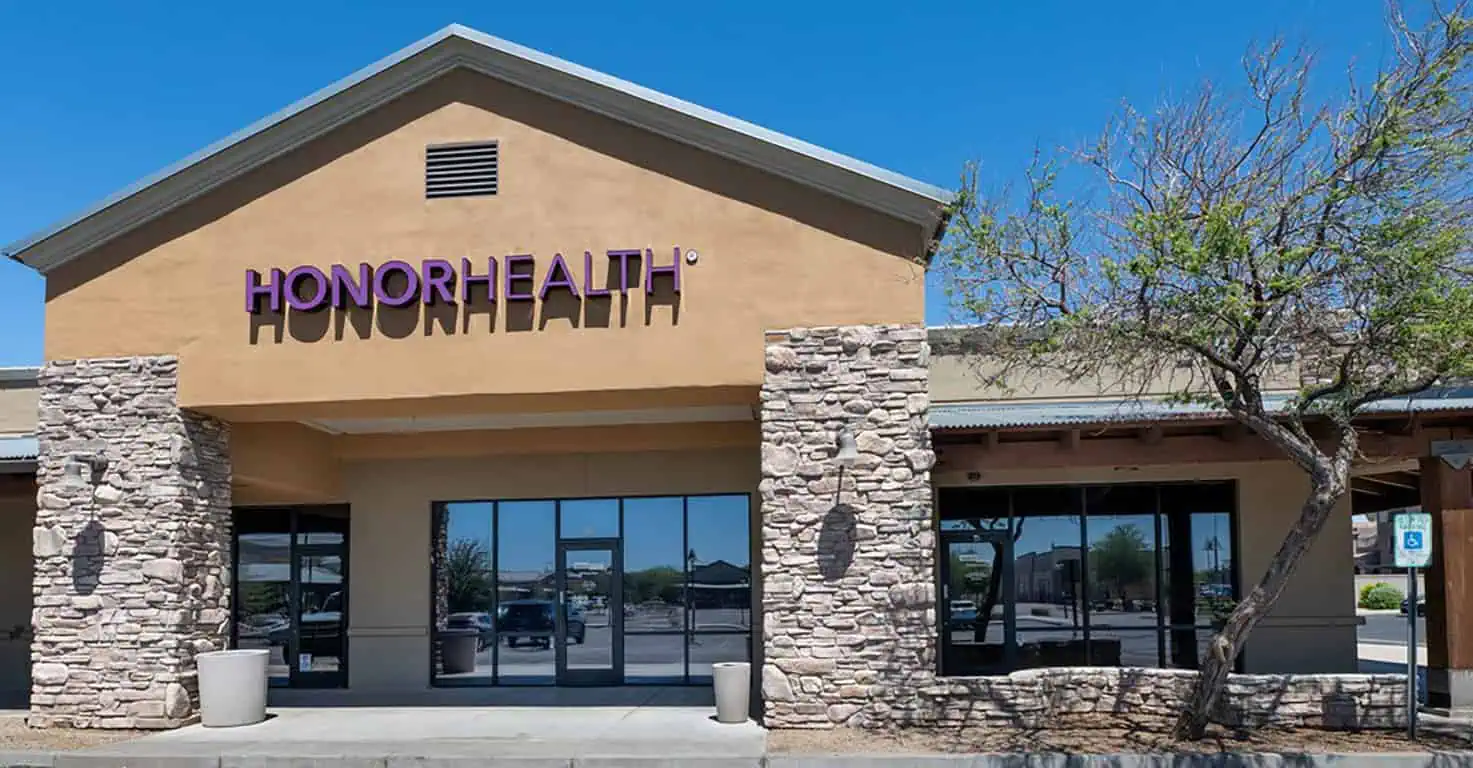
Health systems across the country are racing to keep up with the growing demand for joint replacements and musculoskeletal care. In the Valley, HonorHealth has become one of the systems investing heavily in robotic-assisted surgery, minimally invasive procedures and specialized orthopedic programs aimed at meeting those changing needs.
The shift is happening fast.
Joint replacements that once required several days in the hospital are increasingly moving to outpatient settings. Robotics continue expanding into operating rooms. And orthopedic specialists say patients are arriving earlier, staying active longer and expecting quicker recoveries than they did even a decade ago.
Its adoption reflects a broader shift happening throughout orthopedics as robotic-assisted procedures become more common in both hospitals and surgical centers.
For years, robotics were used primarily in knee and hip replacements performed in hospital settings. Now, specialists say the technology is beginning to expand into outpatient centers and additional joint procedures as systems become smaller and more adaptable.
That transition is already underway in Scottsdale.
Dr. Bertrand Kaper recently performed the first shoulder replacement procedure in the U.S. completed at an ambulatory surgery center using the CORI XT handheld robotics system. Unlike larger robotic platforms, this one requires less operating room space and is designed to work within the smaller surgical environment often found in outpatient centers.
“The trend toward same-day joint replacement has accelerated dramatically,” Dr. Kaper said. “Technology is evolving alongside that shift. We can now plan procedures with a very high degree of precision before surgery even begins.”
Dr. Kaper stated that advances in CT-based imaging and handheld robotics are allowing surgeons to tailor procedures more closely to a patient’s anatomy while potentially improving recovery and implant longevity.
The demand driving those innovations is coming from several directions at once. Arizona’s retirement population continues to grow, recreational sports participation remains high and many adults are simply staying active later in life.
Orthopedic specialists say patients are also seeking care differently than they once did. Increasingly, the focus extends beyond joint replacement surgery itself to include earlier intervention, sports medicine, fracture prevention and long-term bone health.
At HonorHealth, that broader strategy includes programs such as the Bone Health Program, which focuses on osteoporosis prevention and fracture reduction through coordinated care between orthopedic surgeons, rheumatologists and hospital teams.
“There’s much more recognition now that orthopedic care doesn’t begin and end in the operating room,” said Gayle Cassidy, AVP of HonorHealth Orthopedics. “The future of the field is comprehensive musculoskeletal care where we’re identifying risk earlier, coordinating recovery better and helping patients stay active longer.”
Recovery expectations are changing, too.
Advances in minimally invasive surgical techniques, anesthesia protocols and rehabilitation have shortened recovery timelines for many patients and reduced the need for extended hospital stays. Procedures that once kept patients hospitalized for days are now, in some cases, sending them home the same day.
For healthcare systems, though, the rapid pace of innovation comes with difficult decisions. Robotic platforms require major investments, physician training and operational changes, all while technologies continue evolving at a rapid pace.
“Not every new technology is worth adopting,” Cassidy said. “The focus has to remain on whether it improves patient care, recovery and long-term outcomes. Our approach has been to invest in technologies and clinical teams that can genuinely help patients heal faster, move better and return to their active lives sooner.”
Still, many orthopedic specialists believe the direction of the field is becoming increasingly clear.
“Just 10 years ago, a lot of this technology simply wasn’t part of the conversation,” Dr. Kaper said. “Now, we’re seeing procedures become more personalized, less invasive and increasingly outpatient-focused. That’s where orthopedics is headed.”
And with Arizona’s population continuing to grow older while remaining active longer, specialists say demand for orthopedic care is unlikely to slow anytime soon.