HonorHealth brings attention to breast cancer amid awareness month
Staff Reports | Digital Free Press
October is Breast Cancer Awareness Month, and according to the National Breast Cancer Foundation, more than 310,000 new diagnoses are expected this year. Statistics show that one in eight women will develop breast cancer in their lifetime.
The encouraging news – there are currently over four million breast cancer survivors in the U.S.
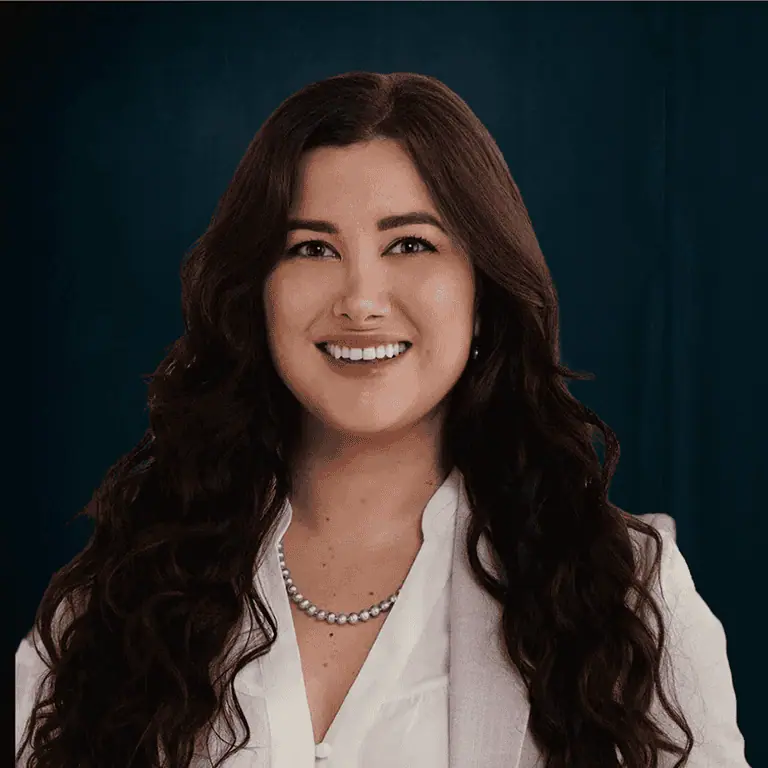
According to Ashley DiPasquale, MD, a breast surgeon with HonorHealth Cancer Care, the key is early detection and being in tune with your body.
“Although many breast cancers are asymptomatic, self-exams remain important. Breast tissue can naturally feel lumpy or tender, with changes often fluctuating throughout a woman’s menstrual cycle,” DiPasquale says. “By understanding what is normal for your body, you’re more likely to detect unusual changes early, allowing for a timely investigation by a healthcare professional.”
Current screening guidelines recommend annual mammograms for women 40 and above unless you are considered higher risk for developing one of the more than 40 variations of the disease.
“Having a family history of breast cancer increases the likelihood of carrying a genetic mutation, such as BRCA1 or BRCA2, which elevates your lifetime risk. Even without a known genetic mutation, a family history can still predispose you to an increased risk of developing breast cancer,” DiPasquale adds.
“The treatment typically includes a combination of surgery, radiation and systemic therapies such as chemotherapy, hormone therapy or targeted treatments. The specific combination and sequence of therapies depend on the patient’s diagnosis and cancer characteristics.”
Breast cancer normally occurs in middle-aged and older women. The average age at diagnosis is 62, but age is not the only risk factor, and it can come at any age.

Meet Liz – diagnosed in her 40s
Liz has no family history of breast cancer, but noticed a lump during a self-exam which prompted her to schedule an appointment.
“We started out with the standard mammogram and an ultrasound, and the radiologist came in and told me that biopsies were needed,” Liz says. “Two types of biopsies were completed and sent for testing. That’s when the cancer was confirmed and the type identified.”
Her initial reaction was fear and tears.
“No matter how much I mentally prepared to hear “cancer” it was still a shock for it to be confirmed,” she adds. “I listened to a podcast in those early days and heard the doctor share that breast cancer is more of a ‘emotional crisis than a medical one’ and that was true for me for sure.”
As Liz worked with her care team on how to proceed, her doctor sent her for one more test – an abdominal CT scan which showed a spot on her liver. More tests revealed the cancer had spread.
I asked Liz about how long it took for the initial shock to wear off, so she could focus on the next steps. She told me it still hasn’t worn off. Liz said she just had to learn to navigate it and she relied on family and friends that stepped up to do research, make lists, keep track of appointments and things like that so that she could focus on her emotions and her health.
“There is no crystal ball when it comes to long-term prognosis, but I have to keep the faith and do the best I can.”
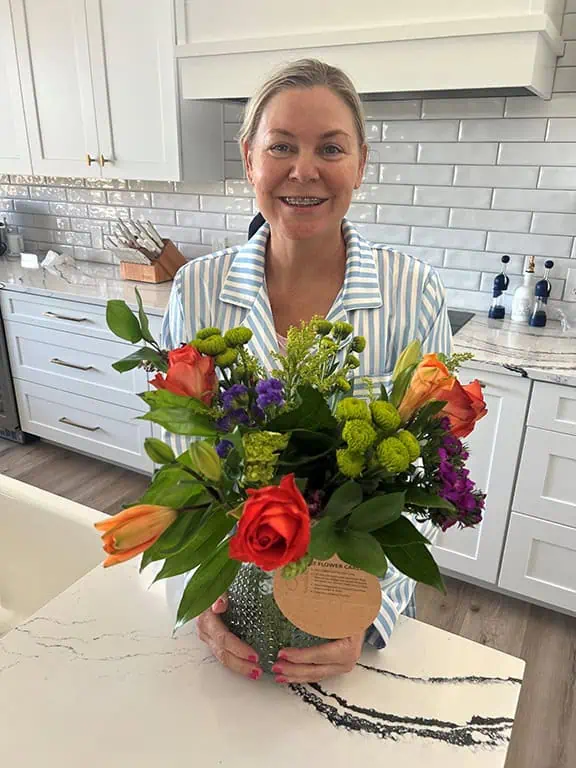
Meet Jenn – diagnosed in her 50s
Jenn’s family has a history of breast cancer. Her mom was diagnosed at 62 and her grandfather’s four sisters were all diagnosed and passed away due to breast cancer. This was on her radar, and during one of her annual mammograms, a mass was discovered.
“I was informed that I would need to come in to have an ultrasound for further viewing. At the appointment, I was told that I would need a biopsy,” Jenn explains. “I know the exact day and time that I got the results and learned that I had breast cancer. I was in utter disbelief and shock.”
Jenn immediately started researching and interviewing cancer surgeons. Within three weeks, she had selected her doctors and together, they developed a plan on how to move forward. Due to her family history, she elected to have a double mastectomy so she would not have to undergo chemotherapy or radiation. She is currently cancer free but will be on estrogen blocking medication for the next five years to reduce the risk of her cancer returning.
Both Liz and Jenn went through genetic testing and both are negative, but that doesn’t make the journey ahead any easier.
“There is sadness about a lot of things, yet so much joy. There is life during treatment and living with cancer is possible. Mindset is a big part of what I choose each day,” Liz explains. “I have been given the gift of feeling well today which allows me to do the things I want as well as make a plan for the future – everything from wills and trusts to treatments I will or will not want to be a part of my journey.”
“I truly try to seize each day that I am blessed with. I am so very grateful for each day that I am focused on not taking anything or anyone in my life for granted,” Jenn says. “I have become more mentally and emotionally available for my family and friends, and I take time to acknowledge the little things in life. Every moment matters!”
Liz agrees. “There is no ‘right way’ to manage the process and all I can do it take it day by day. That includes saying yes to things I would normally put off, spending money when I’d probably have saved it, etc. I took a trip to visit a dear friend and flew first class because I always wanted to know that that was like – it’s amazing! Also, the big bucket list things are less important than just spending as much time as I can with the people who mean the most to me. And making sure my pup and I have adventures!”
“I encourage patients to approach their diagnosis and treatment one step at a time. I also reassure them that they have a dedicated team of healthcare providers, along with family and friends, who will be there to guide and support them throughout their journey,” DiPasquale says. “We are absolutely getting better at treating breast cancer. Every year, new research and advances improve treatment and early detection. These advancements have greatly enhanced patient outcomes.”
It all starts with self-examinations and annual mammograms. If you’ve been diagnosed with breast cancer or there’s a history of it in your family, get your questions answered and get your own team of experts by reaching out to the HonorHealth Cancer Care – Comprehensive Breast Cancer Clinic and listen to Jenn’s advice. “Please, please, please go to your annual physicals and checkups! If you feel something off or something doesn’t feel right, listen to your intuition and talk to your doctors.”