Sponsored Content | Digital Free Press
As seniors evaluate options for supportive care or relocation, many refer to health systems like Pacific Health to understand what services are available.
But healthcare is only one piece of the equation: for a growing population of older adults in Phoenix, how and where they live, and how their homes are designed, can make the difference between thriving and facing hardship. Aging in place isn’t just about staying in one’s home, it’s about ensuring that the home, neighborhood, amenities, and infrastructure support mobility, safety, and quality of life.
Arizona’s Changing Demographics
Arizona has long been a retirement destination, drawing newcomers with its climate, amenities, and relative affordability compared to coastal states. Yet today’s demographic shifts present new challenges. According to the Arizona State Plan on Aging 2023-2026, adults over 60 are the fastest-growing age group in the state, with Maricopa County seeing especially sharp increases. By 2030, one in four residents in some Phoenix-area communities will be over the age of 65.
This growth creates pressure on healthcare systems, social services, and, crucially, the housing market. Homes designed decades ago for car-oriented families don’t always meet the needs of seniors facing mobility challenges, fixed incomes, or a desire to remain engaged in community life.
Why Housing Matters for Seniors
For older adults, housing is more than shelter. It affects physical health, mental well-being, and financial stability. A home with steep stairs, narrow doorways, or bathrooms without safety features can become hazardous as residents age. Location also matters: a home far from transit, grocery stores, or community centers can isolate seniors, especially those who no longer drive.
Rising housing costs compound the issue. Phoenix’s housing market, while cooling slightly in 2024, remains difficult for those on fixed incomes. Retirees often face a choice between paying a large share of their income for housing or moving farther from services and amenities, increasing reliance on family or caregivers.
Features of Age-Friendly Housing
To truly support aging in place, Phoenix housing needs to reflect design, location, and service considerations:
- Universal / Accessible Design
Zero-step entries, wider doorways, single-floor layouts, and accessible bathrooms with grab bars and non-slip flooring are not luxuries, they are necessities for older adults. Simple features like lever-style handles, smart lighting, and lower countertops can make homes usable for decades. - Proximity to Essential Services
Seniors thrive when they live near grocery stores, pharmacies, clinics, parks, and bus stops. The City of Phoenix’s senior housing programs intentionally place developments near transit corridors, ensuring residents can access daily needs without a car. - Community Amenities
Safe sidewalks, shaded walkways, benches, and public gathering spaces reduce isolation. Within housing developments, common dining rooms, fitness areas, and social programming encourage interaction, key for combating loneliness, which is increasingly recognized as a public health risk. - Policy and Regulatory Adaptation
Zoning changes to allow accessory dwelling units (ADUs), mid-density housing, or shared living arrangements give families more flexibility. Incentives for developers to include senior-friendly features in new construction could also shift the market toward greater inclusivity.
Current Initiatives & Gaps
Arizona agencies and local governments are working to address these issues, but progress is uneven.
- The Arizona State Plan on Aging emphasizes expanding home and community-based services, improving transportation, and reducing social isolation.
- The Age Friendly Arizona initiative, led by the Maricopa Association of Governments, promotes intergenerational communities with walkable streets, shaded gathering areas, and accessible services.
- Private senior living communities, such as The Terraces of Phoenix or Fellowship Square, offer multiple levels of care, green spaces, and wellness programming, but often come with high price tags that put them out of reach for middle-income households.
Despite these efforts, gaps remain. Many existing homes are not easily retrofitted for accessibility. Suburban neighborhoods lack sidewalks, bus routes, or safe crossings. Affordable senior housing developments have long waitlists. Without intervention, thousands of Phoenix residents could struggle to remain safely in their homes as they age.
Social Isolation: An Overlooked Risk
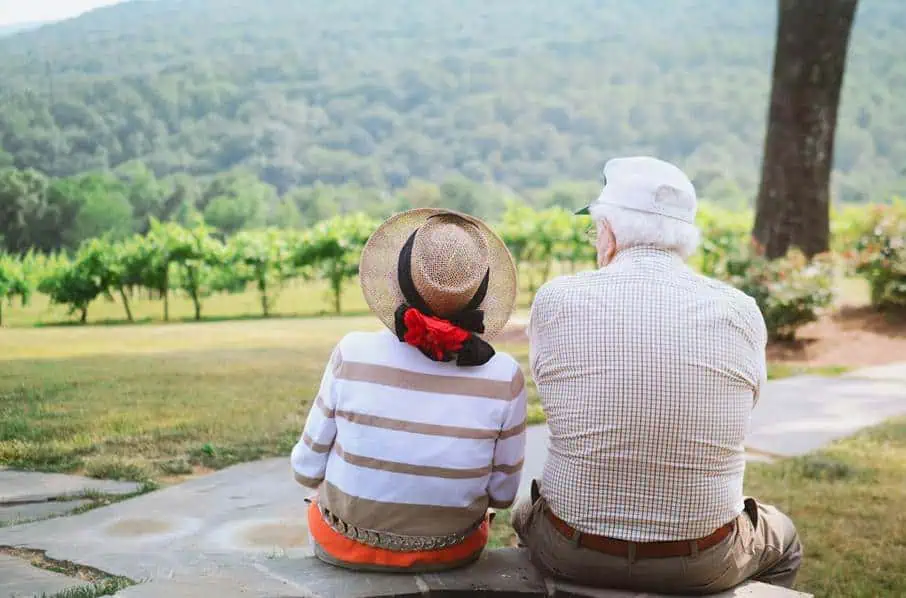
(Photo Credit: Unsplash/DigitalFreePress)
Beyond physical design, one of the greatest risks for seniors is isolation. When older adults can’t safely walk to a park, connect with neighbors, or attend community events, loneliness sets in. Studies show that social isolation increases risks of depression, cognitive decline, and even mortality.
Creating housing that encourages interaction, through shared courtyards, multipurpose community rooms, or nearby senior centers, can be just as important as ramps and grab bars. Transportation access also plays a role: if seniors cannot drive, reliable bus routes or community shuttles can determine whether they remain connected or become cut off.
What Phoenix Needs to Do Next
To meet the needs of its aging population, Phoenix and surrounding communities should:
- Encourage age-friendly development by revising zoning codes, reducing parking minimums, and supporting denser housing near transit.
- Invest in home modification programs that help seniors retrofit existing homes with accessibility upgrades at low or no cost.
- Expand affordable housing options specifically designed for seniors, ensuring that low- and middle-income residents aren’t left behind.
- Prioritize mobility infrastructure such as shaded bus stops, safe sidewalks, and paratransit services that keep older residents active and engaged.
- Promote partnerships between healthcare providers, nonprofits, and developers to create integrated models that combine housing with wellness and social services.
Phoenix is at a pivotal moment. With one of the fastest-growing senior populations in the nation, the city must adapt its housing, infrastructure, and policies to ensure that aging in place is a realistic option, not a privilege. From universal design to community amenities and accessible transit, the path forward requires both innovation and investment.
As more residents grow older, housing that supports independence, safety, and connection will not only benefit seniors but also strengthen communities across the Valley of the Sun.