Sponsored Content | Digital Free Press
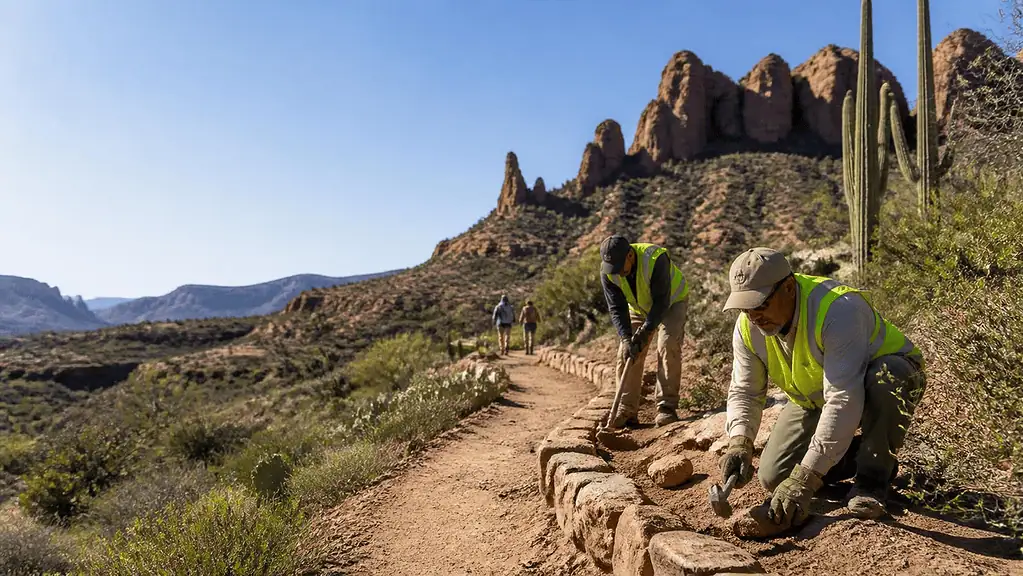
Arizona’s trails attract visitors who want to experience its mountains, canyons, desert landscapes, and other natural attractions. With so many people using these trails, keeping paths and surrounding areas safe requires regular attention and maintenance. When an injury happens because a known hazard was not addressed, personal injury representation may become relevant to the situation. Proactive inspections, timely repairs, and clear warnings can help attraction operators reduce hazards before they cause serious injuries or costly claims.
Why Trail Maintenance Matters at Popular Attractions
Popular Arizona attractions can see thousands of visitors using the same trails, which means even small problems can become serious safety concerns over time. Heat, heavy foot traffic, erosion, falling rocks, and seasonal weather can gradually create uneven surfaces, damaged barriers, or other hazards that visitors may not expect. Regular maintenance helps operators spot these problems early and address them before someone gets hurt.
Identify Hazards Before Visitors Encounter Them
Regular trail inspections give attraction operators a chance to spot hazards before visitors encounter them. Staff can look for loose rocks, damaged surfaces, exposed roots, steep drop-offs, broken railings, and other conditions that could cause an accident. Addressing these issues early, or warning visitors when immediate repairs are not possible, can help reduce the risk of injuries.
Keep Signs and Warnings Clear
Clear signs help visitors understand what to expect before they reach steep sections, uneven ground, restricted areas, or other potential hazards. Warnings should be easy to see, understand, and maintain so visitors are not relying on damaged or outdated information. When a hazard cannot be fixed right away, a visible warning or temporary barrier can give people a chance to make safer choices.
Address Erosion and Changing Trail Conditions
Arizona’s weather can change trail conditions quickly, especially after heavy rain or seasonal storms that cause erosion and wash away sections of a path. Regular checks can help operators spot weakened surfaces, drainage problems, exposed areas, or other changes that could make a trail harder to navigate safely. Making repairs and reassessing affected areas after severe weather can help prevent a temporary problem from becoming a serious hazard.
Maintain Railings, Steps, and Other Safety Features
Railings, steps, bridges, barriers, and viewing platforms can give visitors extra support in areas where a fall could result in serious injuries. These features should be inspected regularly for loose parts, cracks, worn surfaces, or other signs of damage. If something is unsafe, repairing it promptly or restricting access to the affected area can help protect visitors while the problem is being addressed.
Document Inspections, Repairs, and Visitor Reports
Good record-keeping when it comes to checking paths, fixing them, and reporting dangers makes it easier for management to detect issues and demonstrate how safety matters were handled. Pictures, dates of inspections, descriptions of the repairs, and reports from people on the trail are all helpful in figuring out exactly where to find the same problems recurring. Comprehensive records give the maintenance crews the data they need to organize these check-ups as well as to tackle hazards in the same fashion all year round.
Respond Quickly When a Hazard is Found
Discovering a hazard on the trail is merely getting started because not resolving it will endanger more visitors. To protect the community until a proper repair is made, staff may need to erect signs, barriers or even put in a temporary closure. It is because of this very important to take prompt and effective measures not only to locate the source of risk but also to keep an identified issue from becoming an unnecessary injury.
Understand How Neglected Maintenance Can Lead to Injury Claims
When a visitor is injured because of an unsafe trail condition, questions may arise about whether the attraction knew about the hazard or should have discovered it through reasonable inspections. Maintenance records, warning signs, repair efforts, and reports of earlier incidents can become relevant when examining what happened. The circumstances of each injury claim are different, so the condition of the trail and the actions taken by the property operator may need to be carefully reviewed.
When an Injury Occurs on A Trail
When someone gets hurt on a trail, taking a few practical steps afterward can help preserve important information about what happened and the conditions that may have contributed to the injury.
Get Medical Attention
Seek appropriate medical care as soon as possible, even if the injury initially seems minor. Medical records can document the nature of the injury and the treatment that followed.
Document the Trail Conditions
If it is safe and possible to do so, take photos or videos of the area where the incident occurred, including damaged surfaces, missing signs, loose railings, or other hazards. Trail conditions can change after an accident, so documenting what the area looked like at the time can be useful.
Gather Witness Information
If other visitors saw what happened, consider getting their names and contact information. Their observations may help provide additional details about the incident and the condition of the trail.
Report the Incident
Inform the management or responsible person of the attraction/property about the accident and give them a clear account/accurate details of what happened. Ask if an accident report has been made and retain all the information and paperwork given or made available to you.
Keep Records Related to the Injury
Hang onto items like medical bills, treatment records, pictures, receipts, and anything else connected to the accident. These documents can be filed in folders by category, which will help to keep the paper clutter to a minimum as well as be an organized way of remembering not only what happened in the event but also who was involved or who was a witness.
Conclusion
Proactive trail maintenance can help Arizona attractions identify hazards, protect visitors, and address unsafe conditions before they lead to serious injuries. Regular inspections, timely repairs, clear warnings, and proper documentation can also help operators respond responsibly when problems arise. When a trail injury does occur, understanding the circumstances and seeking personal injury representation may help an injured visitor understand their legal options.