Sponsored Content | Digital Free Press
Arizona heat can create dangerous working conditions, especially for employees who spend hours outdoors. Workers who believe their employer is ignoring serious heat hazards may want to explore your legal options and learn what workplace protections apply. Understanding the rules around shade, water, rest, and heat exposure is an important place to start.
Does Arizona Require Employers to Provide Shade?
Arizona workplace heat protection is shaped by state occupational safety enforcement and broader federal safety principles. The Arizona Division of Occupational Safety and Health has increased its focus on heat illness prevention and recommends that employers have procedures addressing water, shade, rest, training, and acclimatization. Employers should take heat exposure seriously rather than waiting for someone to become sick.
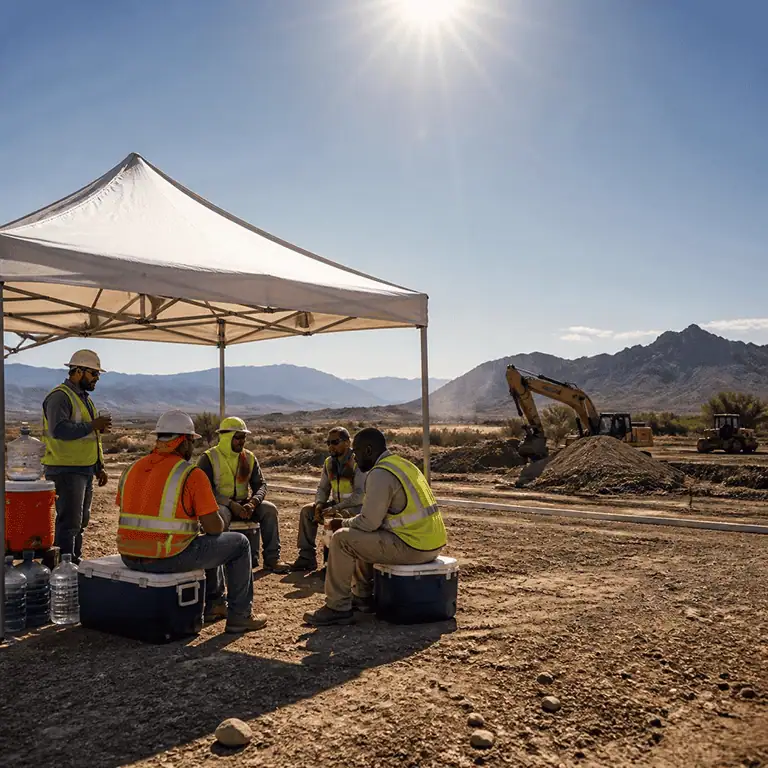
Shade is particularly important for employees working outside for long periods. ADOSH guidance describes adequate shade as an area that blocks direct sunlight and allows the body to cool effectively. The area should also be reasonably close to where employees are working.
Employers should not assume that putting up a small umbrella somewhere on the property solves the problem. A shaded space needs to offer workers a practical place to recover from the heat during breaks. Air conditioned buildings or vehicles may also provide suitable cooling areas in some circumstances.
Federal Safety Rules Still Matter
Federal OSHA also expects employers to protect workers from known workplace hazards, including dangerous heat exposure. OSHA advises employers with workers exposed to hazardous heat to use a complete heat illness prevention program. Water, rest, shade, training, emergency planning, and gradual acclimatization for new workers are important parts of that approach.
OSHA guidance recommends giving workers a cool location where they can recover during breaks. For outdoor workers, that location might be a shaded area, tent, nearby building, or air conditioned vehicle. Fans and misting equipment may also help create a cooler recovery space.
Rest becomes increasingly important as heat stress rises during the workday. OSHA advises that breaks should become longer or more frequent as conditions become more dangerous. A worker who rests in a genuinely cool area may recover more effectively before returning to the job.
Shade Is Only Part of Heat Safety
Providing shade alone may not be enough when employees are performing demanding work in extreme temperatures. Workers also need convenient access to drinking water and reasonable opportunities to rest. Supervisors should watch for changing conditions rather than relying on temperature alone to judge risk.
New employees can face greater danger because their bodies have not adjusted to working in high temperatures. OSHA recommends gradually increasing workloads and giving new or returning employees additional rest opportunities while they become accustomed to the heat. Employers should also train workers to recognize symptoms before a situation becomes an emergency.
Heat safety planning should also account for the type of work being performed. Heavy physical labor, direct sunlight, protective clothing, and long shifts can increase the strain placed on the body. Employers may need to change schedules, reduce demanding tasks, or provide additional cooling opportunities when conditions become unsafe.
What Should Employers Do During Extreme Heat?
Employers can begin by evaluating where employees work and how much time they spend exposed to heat. Outdoor crews should have practical access to cooler areas instead of having to travel a long distance for relief. Drinking water should also be located where workers can reach it easily throughout their shifts.
Managers should watch for warning signs such as confusion, weakness, dizziness, heavy sweating, or unusual behavior. Employees should know who to contact when they feel sick and what to do if a coworker shows signs of heat illness. A clear emergency plan can save valuable time when someone needs immediate assistance.
Employers should also consider documenting their heat safety procedures and training practices. Written procedures can help supervisors apply the same precautions across different crews, shifts, and job locations. They also give employees clearer information about when and where they can take water and recovery breaks.
What Can Workers Do About Unsafe Conditions?
Employees who are concerned about extreme heat should report unsafe conditions through the appropriate workplace channels when possible. Specific details about unavailable water, lack of cooling areas, denied rest, or heat related symptoms can help explain the problem. Keeping personal notes about serious incidents may also make it easier to remember what occurred later.
Workers should never assume that severe heat symptoms are simply part of working outdoors in Arizona. Heat illness can become dangerous quickly, particularly during strenuous physical work. When symptoms appear, move to a cooler area and seek appropriate assistance.
Questions about an employer’s legal responsibilities can depend on the job, working conditions, and circumstances surrounding the heat exposure. Workplace safety requirements and enforcement policies can also change over time. Employees and employers dealing with a serious situation may benefit from obtaining guidance based on the specific facts involved.
Final Thoughts
Arizona employers should treat access to shade and other cooling measures as an important part of protecting workers during extreme heat. Anyone facing a serious workplace heat concern may choose to explore your legal options to better understand the protections that may apply. Taking heat precautions early can help create a safer workplace before dangerous conditions lead to illness.