Sponsored Content | Digital Free Press
You’ve seen one doctor, then another. You’ve had scans, tests and treatments. Maybe you’ve traveled across the country looking for a specialist who has seen something like this before.
And you still don’t have an answer.
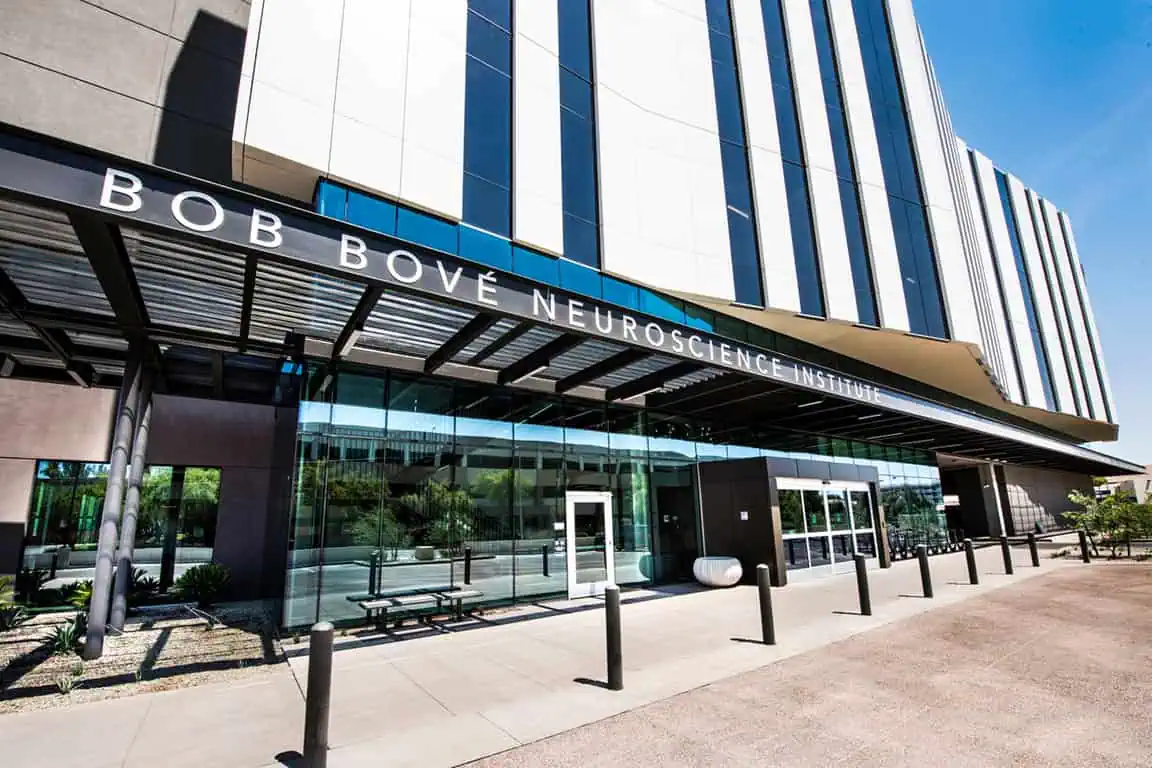
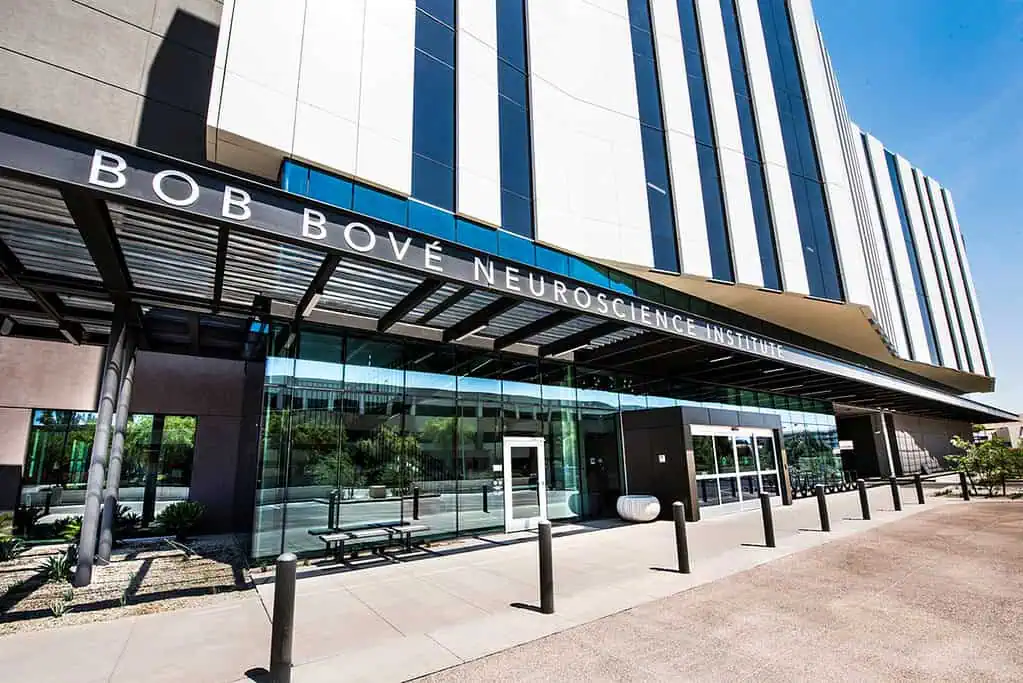
For patients with complex neurological conditions, that search can stretch for months or even years. By the time some arrive at the Bob Bové Neuroscience Institute at HonorHealth, they aren’t necessarily looking for another doctor. They’re looking for someone willing to take another look at a problem no one has been able to solve.
Taking on difficult cases like these is central to the work at the Neuroscience Institute.
Dr. Peter Nakaji, a neurosurgeon and physician executive director at the institute, says he particularly enjoys referrals involving complex neurological problems that have resisted diagnosis or treatment.
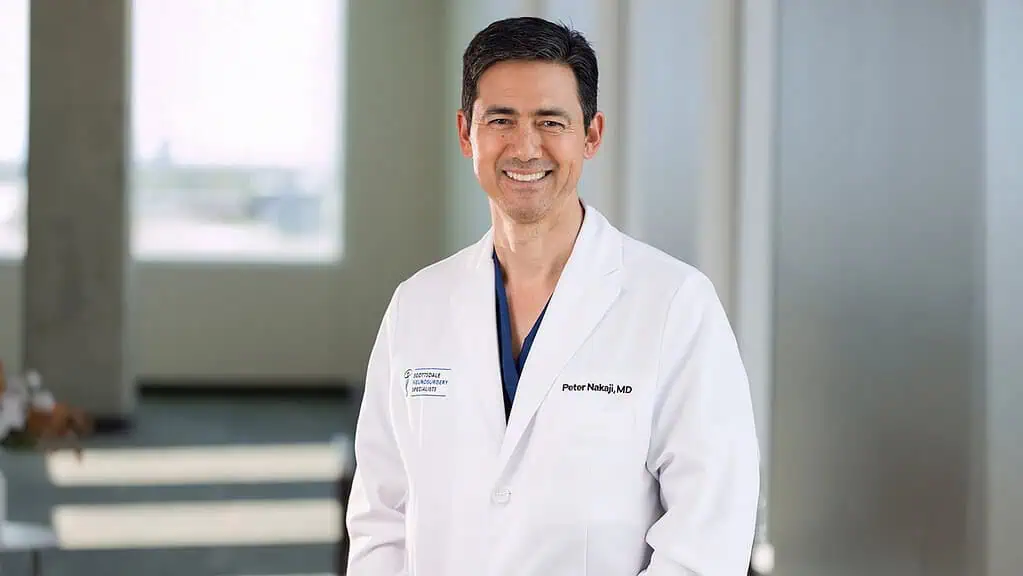
“The fact that it isn’t solved to me is a mystery,” he said. “It’s something that I want to figure out.”
Curiosity is central to the culture Dr. Nakaji wants to foster across the institute.
“This mindset fits naturally here,” he said. “The specialists who choose to practice here have an unusually high degree of expertise.”
One young woman knows just how exhausting the search for answers can become.
She came to HonorHealth after years of debilitating symptoms, including migraines, fainting, memory problems and eventually losing the ability to walk without a wheelchair. She and her family had consulted 22 specialists without finding an explanation.
The referring neurologist and Dr. Nakaji suspected a rare problem involving the veins responsible for draining blood from her brain. Testing revealed that her jugular veins were nearly completely obstructed. She underwent a complex decompression procedure and, months later, walked across the stage at her high school graduation.
Not every difficult case will have such a dramatic outcome. But cases like hers illustrate the kind of problem the team wants to take on.
Dr. Nakaji describes the vision for the Bob Bové Neuroscience Institute as an “innovative subspecialty problem-solving space,” a place where physicians have the expertise, resources and time to dig into conditions that may not fit neatly into an established diagnosis or treatment plan.
Sometimes, that means spending more time solving a problem for one patient today so it becomes easier to recognize in another patient tomorrow.
“The people who dedicate the time to figure out the answers to these problems are making a massive contribution,” he said. “That is the academic side to our practice.”
Once an answer is found, other neurologists and neurosurgeons can apply what was learned to treating their own patients.
The institute’s problem-solving approach extends far beyond one specialty.
Dr. Joseph Georges, a neurosurgeon specializing in complex brain and spine tumors, is taking a similar approach to one of the most challenging cancers to treat: glioblastoma.
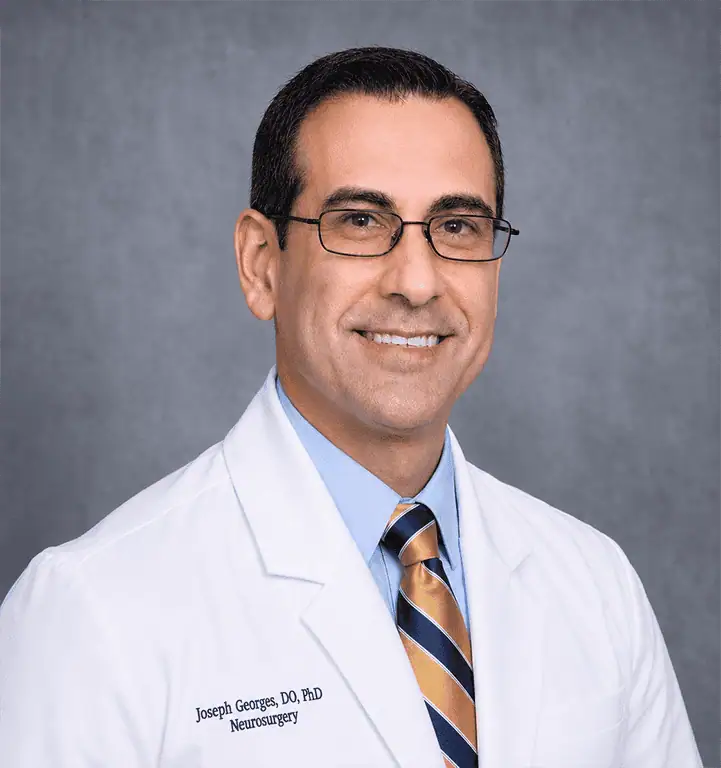
His research includes emerging approaches such as CAR T-cell therapy and dendritic cell vaccines, which are designed to harness a patient’s own immune system to recognize and attack cancer.
Across the institute, physicians are challenging assumptions about what’s possible when conventional approaches don’t provide enough answers.
Sometimes, finding a better answer starts with asking a different question. This offers an opportunity not only to rethink how medicine solves problems, but who gets to help solve them.
HonorHealth is the primary clinical affiliate of Arizona State University’s new John Shufeldt School of Medicine and Medical Engineering. Dr. Nakaji, a professor and chief of the school’s Division of Neurosciences, sees the relationship as an opportunity to bring physicians and engineers together to tackle difficult problems in patient care.
“I feel like this is what I’ve been waiting my whole career for,” he said.
The possibilities are still taking shape, but the idea fits naturally with what the Neuroscience Institute is trying to build. Start with a problem, define what needs to be improved and bring the right people together to design a better solution.
That could eventually mean using new technologies, like apps that pull information from smartphones and wearable devices to help neurologists better understand symptoms or recognize disease sooner. Or it could lead to solutions no one has thought of yet.
The next step is turning those possibilities into practical solutions for patients..
“We tackle problems that haven’t been solved and come up with solutions that, from the ground up, are intended to be much better,” Dr. Nakaji said.
For patients who have spent months or even years searching for an answer, finding a team willing to listen, ask different questions and keep looking is a pretty good place to start.