
Staff Reports | Community Updates
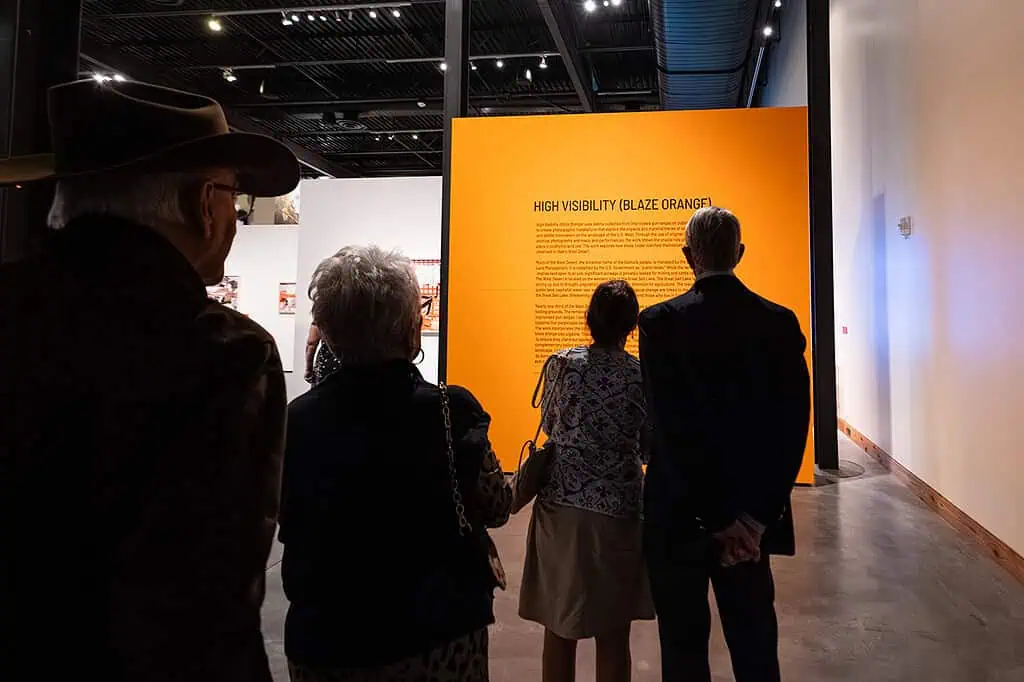
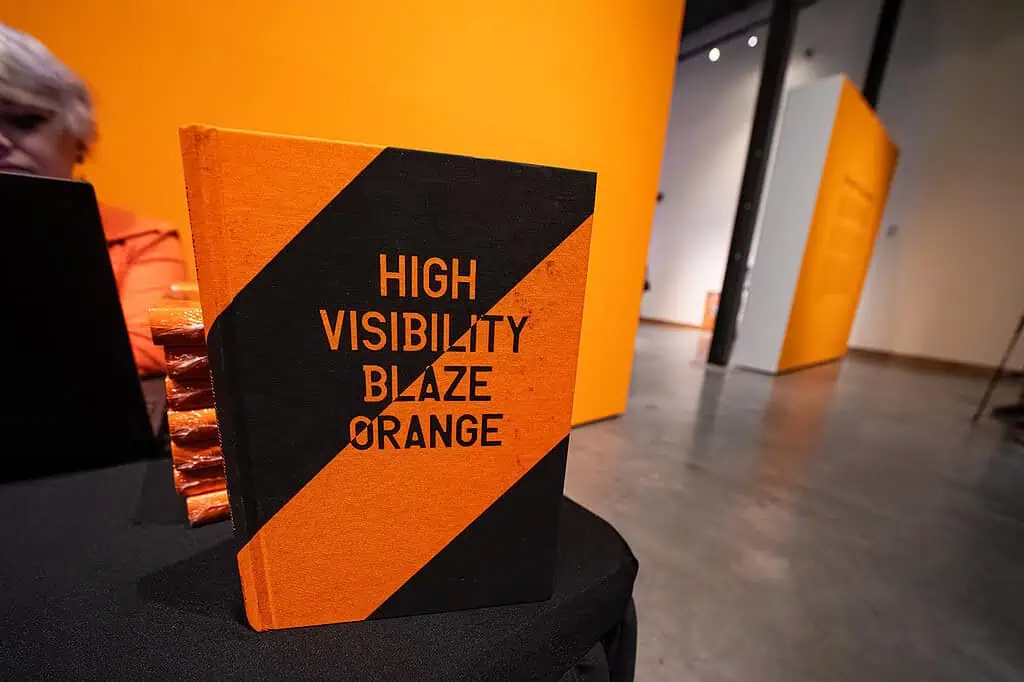
Western Spirit: Scottsdale’s Museum of the West is offering High Visibility (Blaze Orange), as part of its Women of the Southwest series.
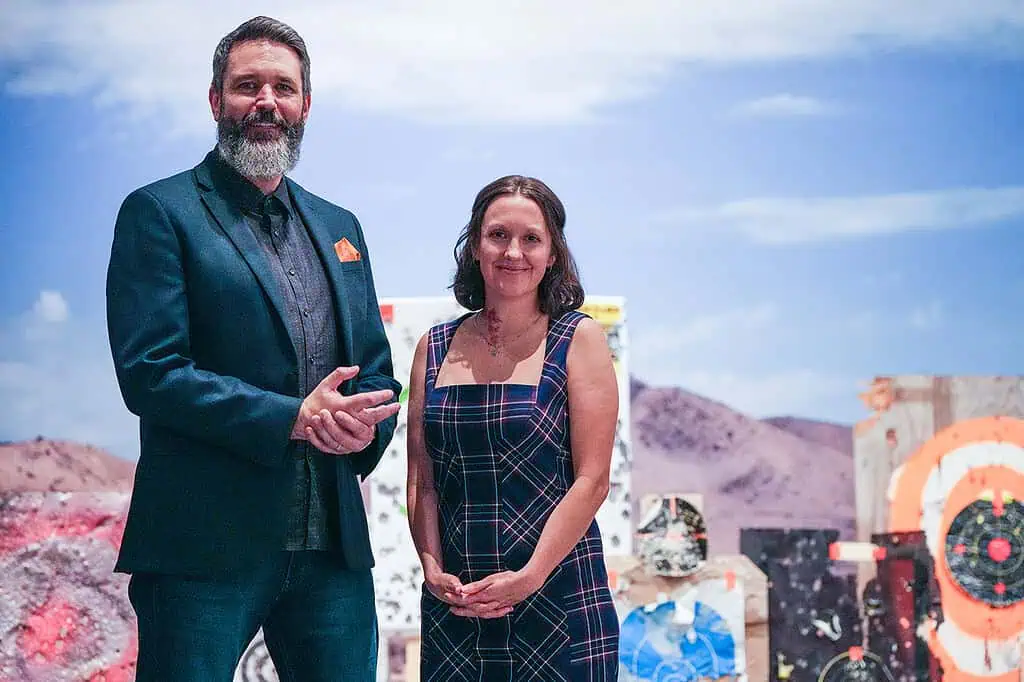
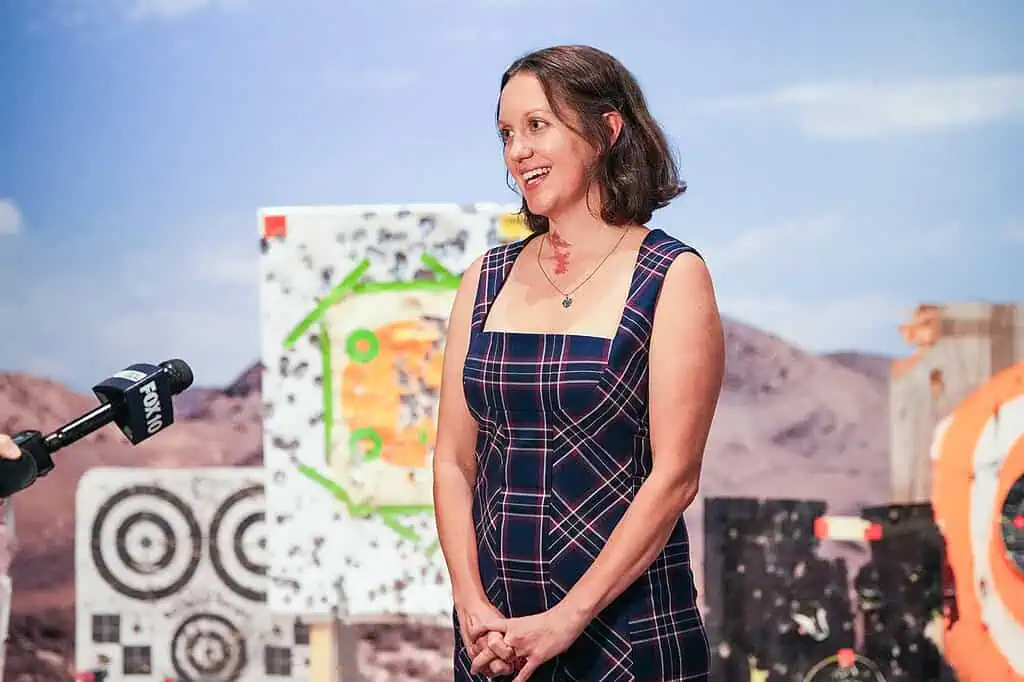
The exhibition features the work of multidisciplinary photographer Alison Wright, whose projects examine the relationship between people and the landscape of the American West. According to a press release, the exhibition continues the museum’s focus on women artists interpreting the region through contemporary and historical perspectives.
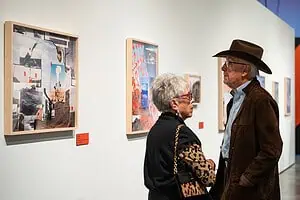
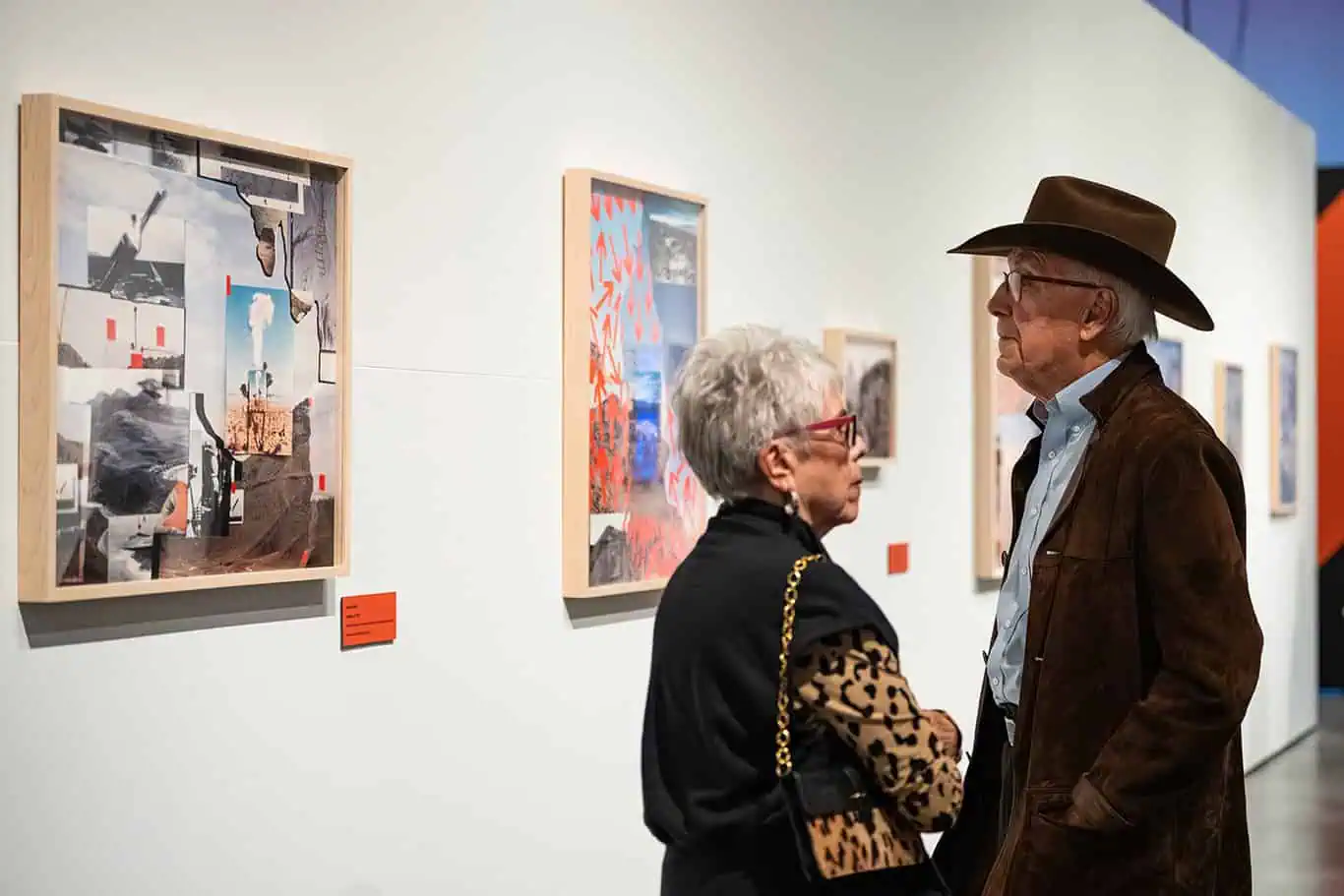
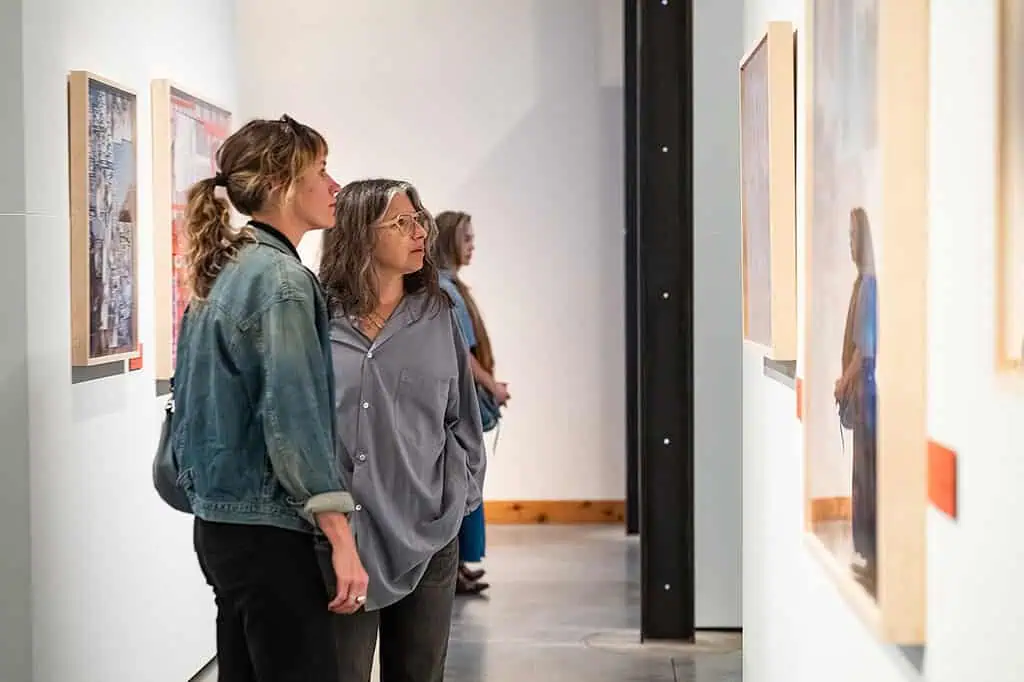
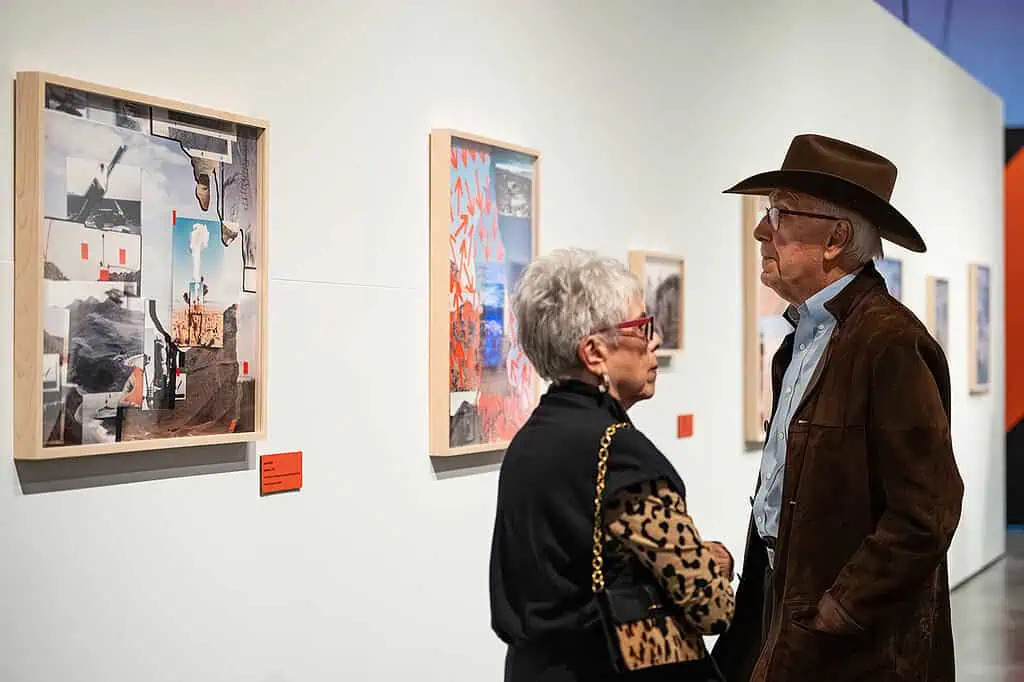
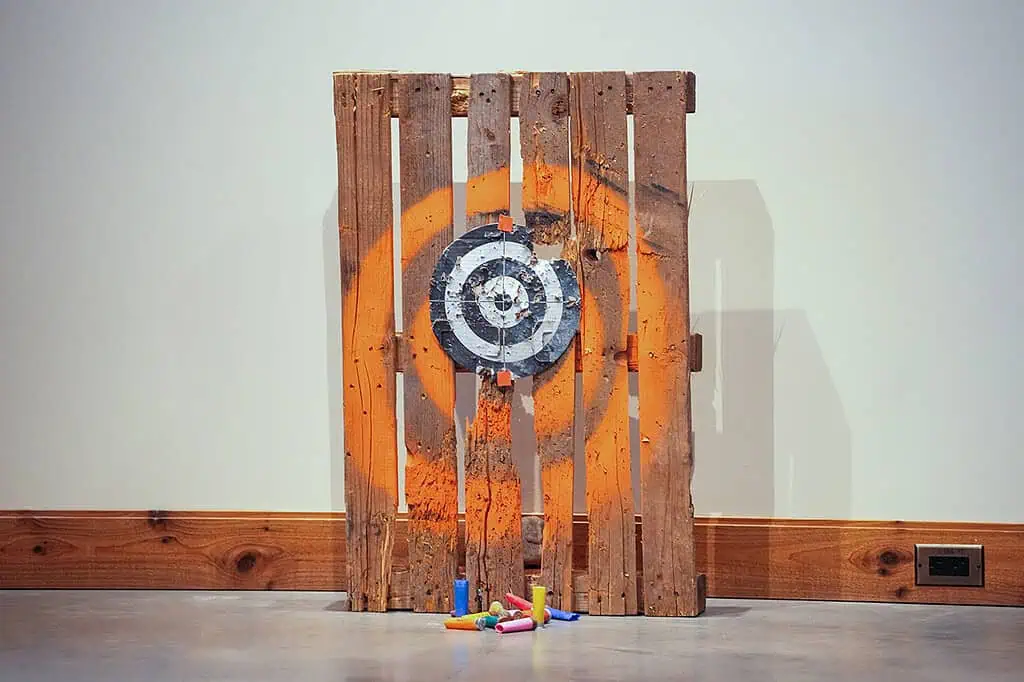
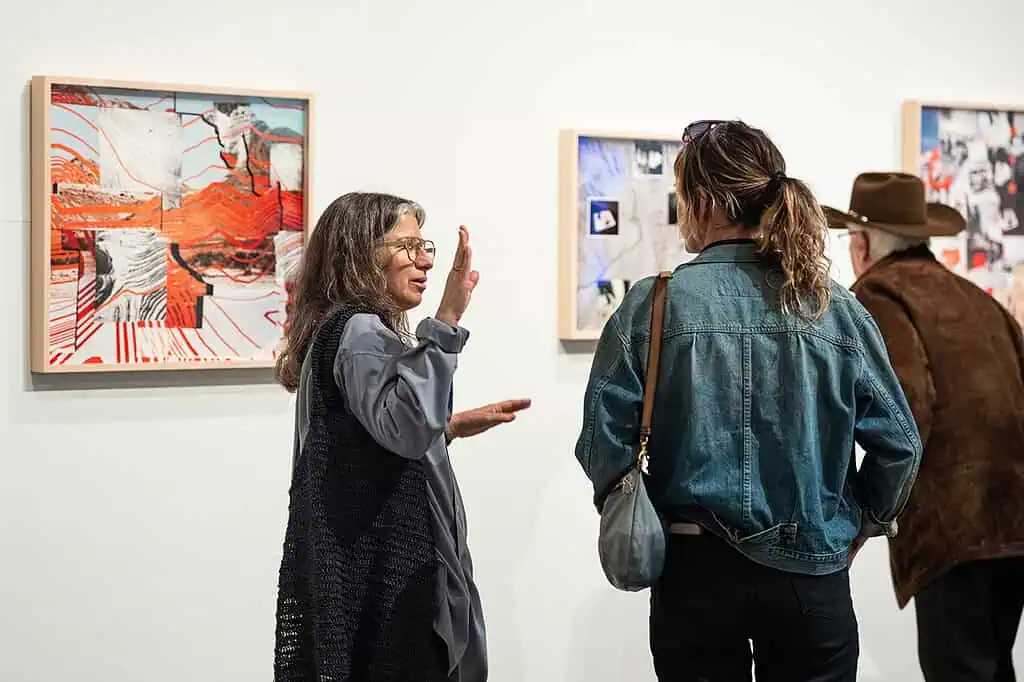
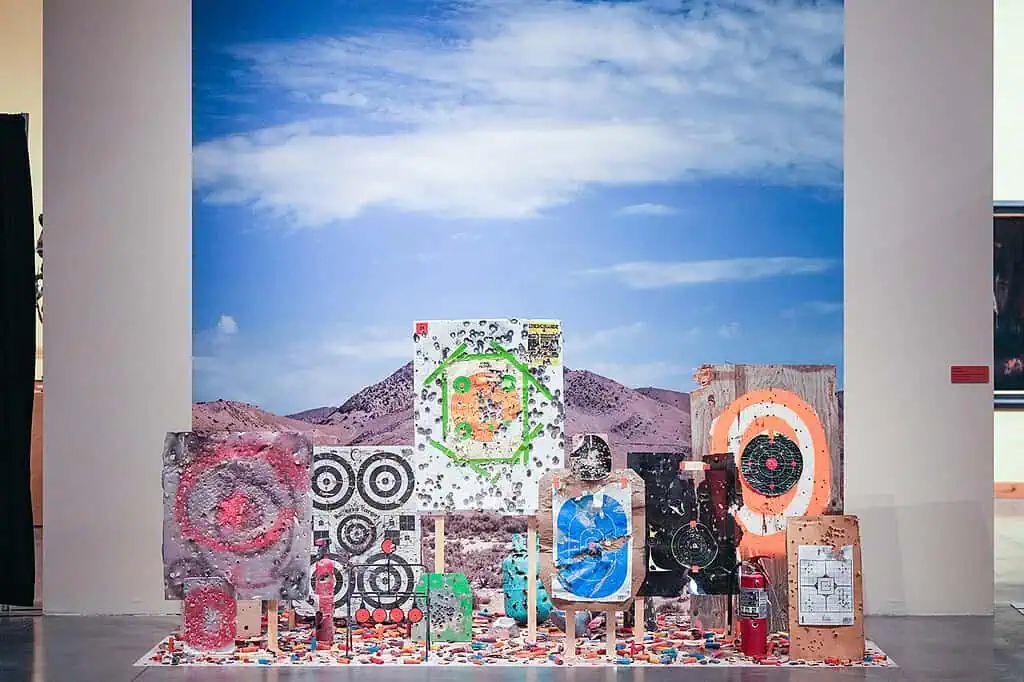
Through photography, video, collage and installation, High Visibility (Blaze Orange) draws on years of fieldwork in Utah’s West Desert. Ms. Wright, an associate professor of photography at the University of Utah, collected debris from informal shooting areas on public lands, including shattered blaze-orange clay targets, and incorporated those materials into multimedia works that explore land use and human impact on the environment.
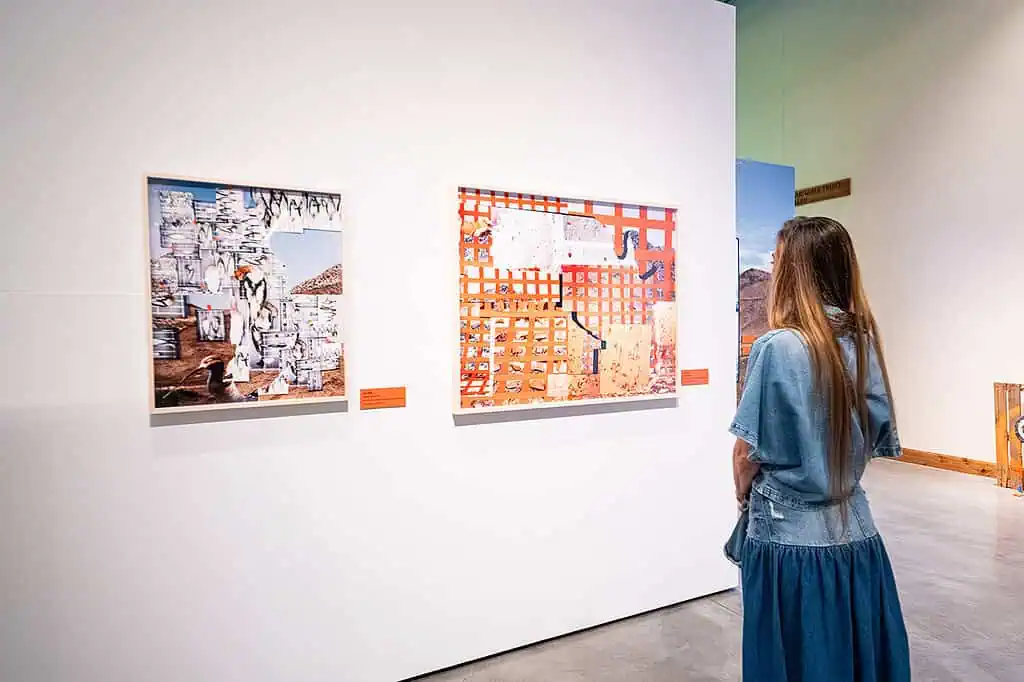
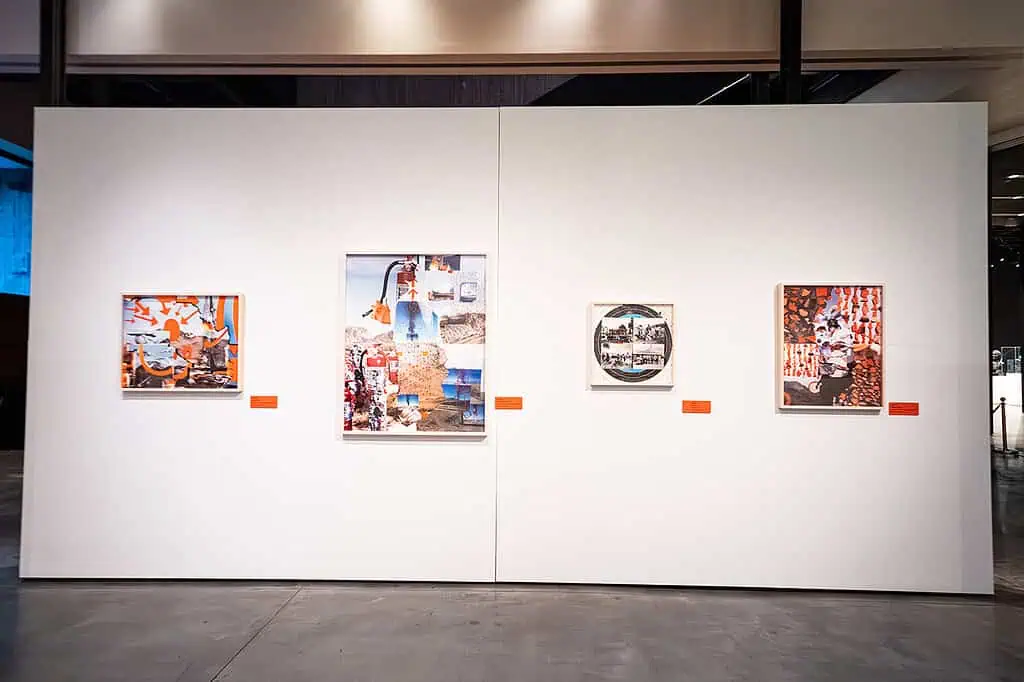
The exhibition includes 25 works, ranging from large- and medium-format photographs to smaller prints, video installations and a mixed-media installation measuring 12 by 15 feet.
The West Desert, overseen by the Bureau of Land Management, is the ancestral home of the Goshute people and supports a range of activities, including mining, cattle grazing, weapons testing and recreation. Using original photographs, archival imagery, maps and performance-based elements, Wright examines photography’s role in documenting and shaping perceptions of land use in the region.
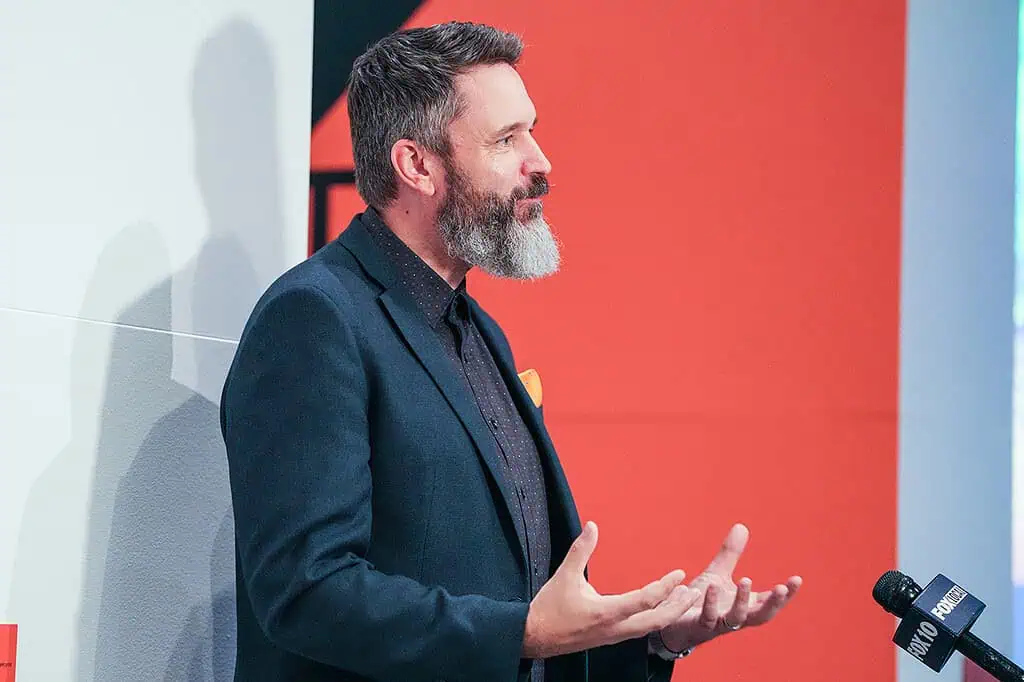
“They look. They wait. They use the language of large-format photography — very much the language of Ansel Adams and Timothy O’Sullivan — to ask what is actually on the ground, how it got there, and what it might mean,” Dr. Andrew Patrick Nelson, chief curator at Western Spirit: Scottsdale’s Museum of the West, said.
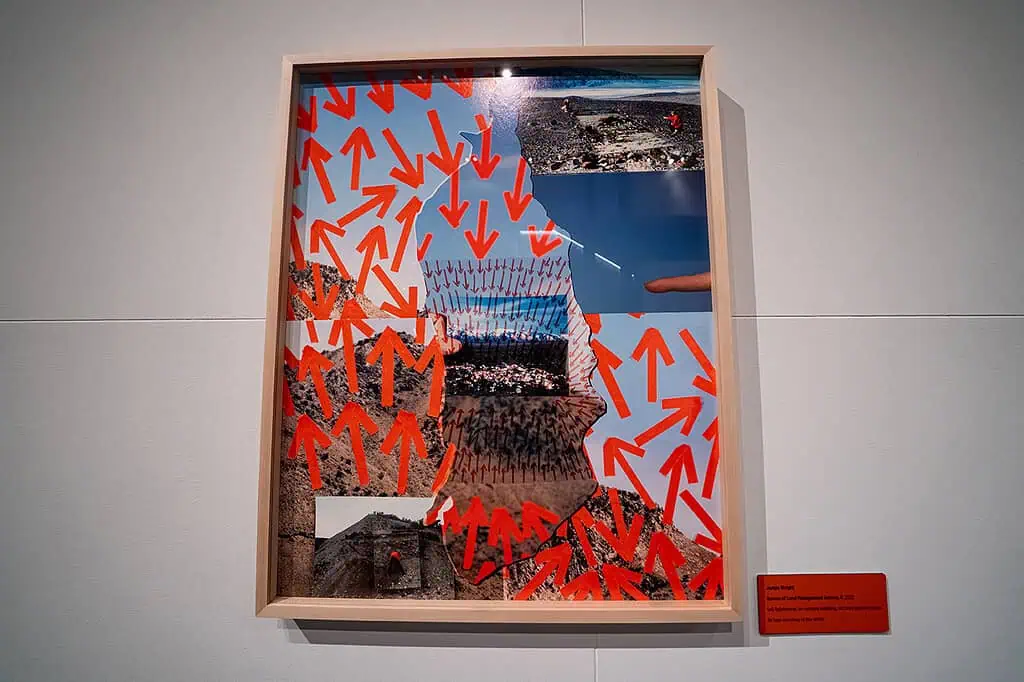
Dr. Nelson said Wright employs a large-format view camera similar to those used by 19th-century survey photographers and creates what she calls “in-camera collages,” combining archival photographs with materials collected in the field.
“She shoots with a large-format view camera — the same heavy instrument used by nineteenth-century survey photographers — and uses it to make what she calls ‘in-camera collages’ which are composite images built in the camera itself rather than in Photoshop, layering archival photographs of hunters, surveyors, and officials with shattered clay pigeons, shot-up paper targets, and other materials gathered in the field,” Dr. Nelson said.
The exhibition adds to a growing national profile for Wright, whose work has been exhibited in galleries in New York, Chicago, Europe and Japan. She was a 2025 artist-in-residence at Light Work, a 2024-25 Foam Talent and a 2023 Utah Visual Arts Fellow.
Dr. Nelson said the exhibition builds on previous Women of the Southwest presentations, including Women of the Southwest: A Legacy of Painting and Mac Schweitzer: A Southwest Maverick Rediscovered.
“High Visibility (Blaze Orange) carries that thread forward into the present — from the pioneering women painters who first imagined Arizona, to a contemporary artist still asking what the West means, and to whom,” Dr. Nelson said.