Phoenix City Council Dec. 10 hearing on DOJ investigation and corrective measures
By Terrance Thornton | Community Updates
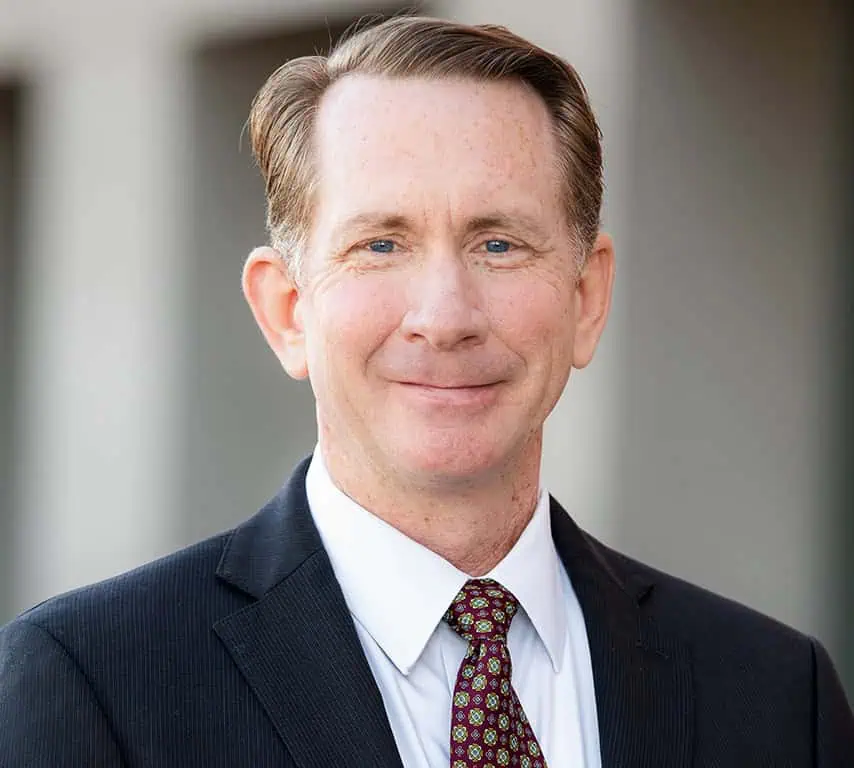
Interim Phoenix Police Chief Michael Sullivan came to Phoenix City Council yesterday to deliver a comprehensive report on corrective measures implemented to improve the community service of the Phoenix Police Department.
Phoenix City Council hosted a Dec. 10 policy session at City Council Chambers, 200 W. Jefferson St., whereas Chief Sullivan and Executive Assistant Chief Dennis Orender presented to elected leaders reform pursuits under way at the local police department.
The Department of Justice in August 2021 announced a Civil Pattern or Practice investigation into the claims of excessive force at the Phoenix Police Department, which at the time marked the 71st investigation of the nature since the Crime Control and Law Enforcement Act of 1994.
In the months that followed, Phoenix leaders published its ‘road to reform’ document available HERE, which local policymakers say sought a technical assistance letter from the DOJ rather than a formal consent decree.
Since that time city leaders have worked to implement new initiatives including implementation of body-worn cameras, the implementation of a Crisis Intervention Team, and the creation of the Office of Accountability and Transparency.
Found part of the DOJ investigation is a list of 37 remedial measures for the Phoenix Police Department to implement including:
- Implementation of the new Use of Force Policy;
- Policy implementation and supervisor review of unattended property;
- Data forms to gather information on vehicle and pedestrian stops to eliminate racial disparities;
- Releasing new First Amendment policy for public review and input;
- Develop and implement improved training for 911 dispatchers related to behavioral health;
- Create new policies and standards of practice for interactions with youth;
- Launch of cultural competency training in partnership with tribal nation police departments;
- Explore youth prevention programming; and
- Explore additional services to be provided by civilian staff, rather than sworn Phoenix Police Department employees.
Phoenix City Council, this past September, unanimously passed recommendations presented by Mayor Kate Gallego; Public Safety Chairman Kevin Robinson and Councilwoman Kesha Hodge-Washington, including the creation of a DOJ compliance analyst team at City Hall.
“The council and I appreciate Chief Sullivan’s work to help bring about important changes to our police department and to continue fostering additional accountability, transparency and public trust with our community,” Mayor Gallego said following the Dec. 10 public hearing.
“Today’s update shows we are making real progress on the recommendations the council and I passed in September, and I look forward to seeing more of our initiatives move forward in the coming months.”
Phoenix police officials are crafting a First Amendment Facilitation and Management Policy, which is anticipated to be completed March 2025.
“We are committed to enhancing the service we provide to this community, and I hope this presentation shows we are serious about the work,” Chief Sullivan said at the public hearing.
The litigators of the Civil Rights Division at the Department of Justice hosted a 60-minute webinar 6 p.m. Thursday, June 13, to outline the findings of the 126-page report published earlier that day.
Maureen Johnston, an attorney who serves as a deputy chief of the Department of Justice, led the discussion on DOJ findings, which you can read HERE.
Here is a synopsis of those findings:
- The Justice Department reports the Phoenix Police uses excessive force, including unjustified deadly force and other types of force.
- The Justice Department reports Phoenix Police and the city unlawfully detain, cite, and arrest people experiencing homelessness and unlawfully dispose of their belongings. This is the first time the Justice Department has found a pattern or practice of conduct that focuses on the rights of people experiencing homelessness.
- The Justice Department reports Phoenix Police discriminates against Black, Hispanic, and Native American people when enforcing the law.
- The Justice Department reports Phoenix police violates the rights of people engaged in protected speech and expression.
- The Justice Department reports Phoenix police and the city discriminate against people with behavioral health disabilities when dispatching calls for assistance and responding to people in crisis.
Of Note: DOJ officials have outlined concerns around how police interact with children — pointing out there are no provisions for how to deal with children therefore they are often treated the same as adults.

Phoenix City Hall provides comprehensive report on police reforms
Officials at Phoenix City Hall provided to the Digital Free Press an extensive list of initiatives completed, under way and those yet to be commenced following the Dec. 10 public hearing. This is the information provided to Phoenix City Council yesterday:
Completed initiatives:
- Implementation of a policy requiring all public-facing officers, including those in the Special Assignments Unit (SAU) to be outfitted with and use body-worn cameras.
- A new draft First Amendment Facilitation and Management Policy.
- Convert temporary positions in the Office of Homeless Solutions (OHS) to permanent roles.
- Create four additional civilian positions to make up a compliance analyst team.
Initiatives underway at the Phoenix Police Department:
- Technology: Explore and begin implementing a new technology which helps those calling 911 get the help they need more quickly. A new voice activated intelligence system has been approved that will answer roughly 30% of non-emergency calls and free up 911 call takers to answer emergency calls faster.
- Professional Standards Bureau: The department is focused on several improvements to PSB. Work is underway on updating requirements to provide clear standards on the thoroughness of investigations, improve training for PSB staff, ensure use of force investigations explore whether an officer considered de-escalation strategies and tactics, review all aspects of an incident not just those in the scope of the initial complaint, and provide a written response to any citizen complaint explaining the findings. The department is also developing a process where if the chief imposes any employee discipline that is less than what is recommended by the Disciplinary Review Board, it will first have to be approved by the city manager.
- Oversight: Efforts are underway to revise the memorandum of understanding between police and the Office of Accountability and Transparency. The department is also implementing systems to provide written updates every three months to both the City Council and the Civilian Review Board on public safety reforms.
- Interaction with the Community: The Phoenix Police Department has several enhancements underway to improve interactions with various segments of the community. This includes a compliance framework for all vehicle and pedestrian stops, creating a clear policy on interactions with youth, developing cultural competency training, and making it easier to report complaints of police misconduct with a new hotline.
- Vulnerable Populations: In 2025, the Phoenix Fire Department’s Community Assistance Program (CAP) will have 24/7 coverage to assist those needing mental or behavioral health support when calling 911. The Police Department will also adopt policies on unattended property to align with those adopted by the Office of Homeless Solutions (OHS).
Initiatives yet to be undertaken by the Phoenix Police Department:
- Oversight: Update City Council and Civilian Review Board every six months on PD’s compliance with OAT recommendations. The newly created compliance team will regularly audit a sample of police reports to ensure officers are correctly applying the Fourth Amendment.
- Accountability: Police will provide a thorough and complete analysis and rationale for investigative findings and conclusions. Professional Standards Bureau (PSB) will set and publish clear deadlines for completing investigative reports. The Police Department will adopt clear standards and accountability measures for PSB investigators, supervisors and Commanders to ensure that all potential law and policy violations are full investigated. PSB will collect and record data for all citizen complaints, including the nature of the complaint and precinct and officer(s) involved.
- Resource deployment: Adopt policies to allow the Crisis Intervention team to prioritize urgent/time-sensitive matters. Explore additional services to be provided by civilian staff, rather than sworn Police Department employees. Train officers on best use of crisis intervention resources as well as services provided by Cap and OHS.
- Training: Develop biennial training plan for Crisis Intervention Officers. Enhance customer service training for all personnel that interacts with the public.
- Vulnerable persons: Continue to explore and expand youth prevention programming. Create policies in relation to interactions, use of force, consensual contacts, and interviews and interrogations with vulnerable persons.