Sponsored Content | Digital Free Press
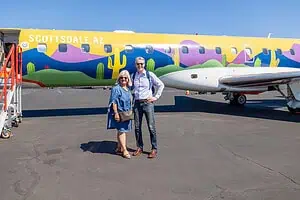
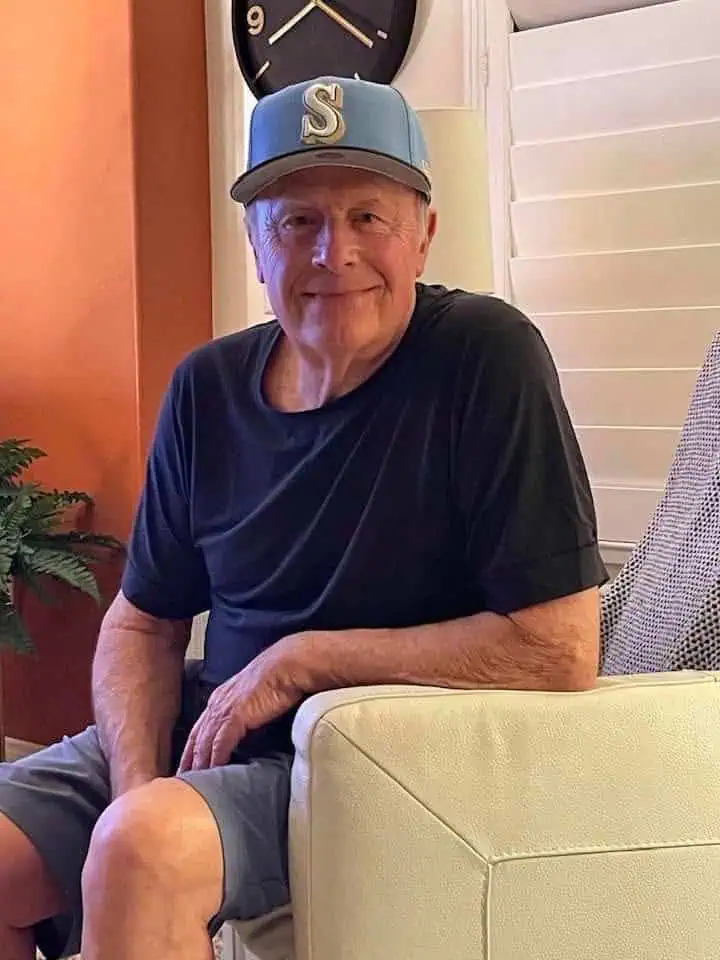
When Doug Folsom boarded a plane to Seattle this summer for his grandson’s wedding, it wasn’t just another family trip.
A year earlier, the 81-year-old wasn’t sure he would live long enough to make it.
Today, he’s traveling again, exercising regularly and looking forward to getting back on the golf course.
“I have 10 grandkids,” Doug said. “I want to see them grow up. I’m positive about life. I want to continue.”
Just a few years ago, that future seemed to be slipping away.
Doug’s heart problems began after back surgery in 2019. Although the operation relieved years of chronic pain, he suffered a heart attack during surgery that permanently damaged the left side of his heart.
The man who had always stayed active suddenly struggled to walk from one room to another. At times, his wife pushed him in a wheelchair. Cardiac rehabilitation helped for a while until one workout ended when he blacked out.
“They told me my heart wasn’t strong enough,” Doug recalled.
A pacemaker and implanted defibrillator bought him time. For more than two years, he returned to many of the activities he loved, then another echocardiogram delivered devastating news – his heart’s pumping ability had fallen to about 10%.
“That really scared me,” he said.
Living near Palm Springs, Doug traveled to Arizona after his daughter-in-law, an echocardiography technician at HonorHealth, encouraged him to seek another evaluation.
That’s where he met Dr. Geoffrey Jao, medical director of the Advanced Heart Failure and Artificial Heart Program at HonorHealth.
Dr. Jao remembers wondering whether there was anything more medicine could offer.
“My first thought was, ‘He’s 80 years old. What can I realistically do for him?'”
Doug quickly changed that impression.
“He told me, ‘Before this, I was doing fine. My father lived to 99. My mother is still alive at 102. I’ve got good genes.'”
Still, hope alone wasn’t enough.
“We always listen to how our patients are feeling, but we also rely on what the testing tells us,” Dr. Jao said. “The testing objectively showed Doug’s heart failure was progressing. Medication had been exhausted. At that point, we knew it was time to evaluate him for advanced therapies.”
After weeks of testing, the HonorHealth team determined Doug was a candidate for a left ventricular assist device, or LVAD, a mechanical pump that helps the heart circulate blood when it can no longer do the job on its own.
His heart was the only thing holding him back.
Doug had never heard of an LVAD.
“My wife and I weighed it very carefully,” he said. “I’ve always been extremely active. I wanted to keep living.”
There was one more conversation before Doug made his decision.
HonorHealth’s Artificial Heart Program was new, and Doug had the opportunity become its first LVAD patient. “We wanted him to have all the information he needed to make the decision that felt right for him,” Dr. Jao said. “That included letting him know there were other established programs in Phoenix if he preferred to receive his care there.”
Doug never considered leaving.
“I never felt like I was in a used car lot,” he said with a laugh. “Nobody was trying to sell me something. They genuinely cared about my life. They knew my family. They knew our circumstances.”
He underwent surgery on July 29, 2025.
Sixteen days later, Doug walked out of the hospital carrying more than an LVAD controller and spare batteries.
He also carried a deep appreciation for the people who had helped him get there.
“Small things become big when you’re in a hospital,” Doug said.
He remembers the nurses who encouraged him through difficult days, the therapists who challenged him to keep moving, and the care team that never made him feel like just another patient.
“Every nurse was terrific,” he said. “They cared for me. They pushed me to recover. They never made me feel like they were tired of me or that I was lagging behind. They were knowledgeable, they were encouraging and they met every need I had.”
Then he laughed.
“I was honestly impressed with the food. My wife’s a terrific cook, and I’ve eaten her food for 54 years, but you guys are a close second.”
Living with an LVAD requires planning. Doug carries batteries and a controller wherever he goes, plugs into wall power each night and travels with backup equipment. Swimming is no longer an option.
“But those inconveniences fall way short of the positive,” he said. “My vitality, my mental clarity – everything is better. I feel back to normal except I’m carrying about 10 pounds of batteries around each day.”
Three months after surgery, Doug began cardiac rehabilitation. Today, even after completing the program, he continues exercising three days a week.
Last month, he walked a mile on the treadmill without stopping.
Earlier this year, Doug played his first round of golf since his surgery. He’s looking forward to getting back on the course when cooler weather returns.
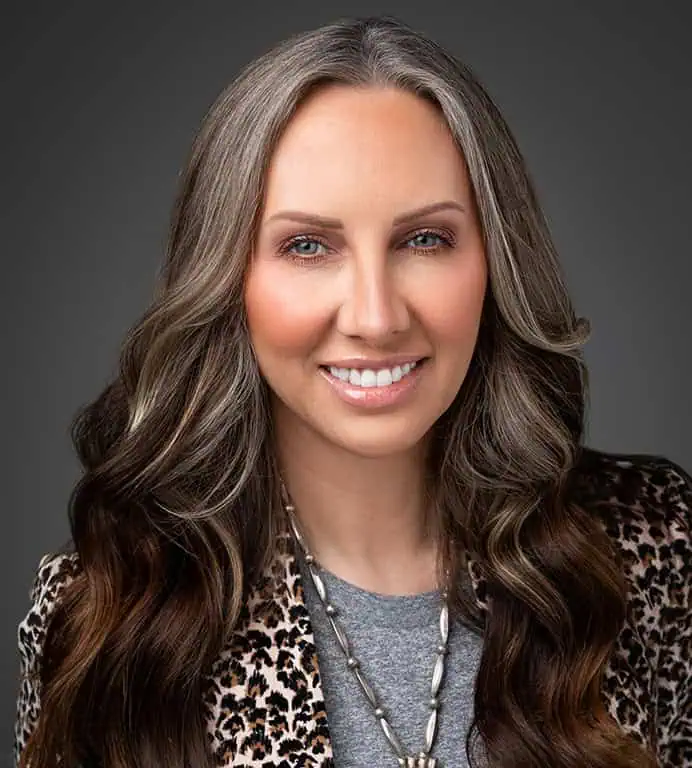
“He’s our golden child,” said Tasha Clark, program manager for the Artificial Heart Program. “He’s incredibly dedicated to his health. He follows the plan, takes care of himself and continues showing up because he wants to keep getting stronger.”
Doug’s experience is unusual. Patients over 80 account for less than one-half of 1% of LVAD implants nationally, making careful patient selection critical.
For Dr. Jao, stories like Doug’s are why he chose this field.
“This isn’t just about adding years to life,” he said. “It’s about adding life to those years. When someone has no other options, then you see them thriving again, spending time with their grandchildren, traveling and living their lives, that’s why we do this.”
These days, Doug occasionally meets with patients who are facing the same decision he once did.
Nearly a year ago, he walked into surgery as the first patient in HonorHealth’s new Artificial Heart Program. Today, six patients have received LVADs through the program, and Doug is often the person helping reassure the next one.
He doesn’t promise anyone they’ll have the same outcome. Instead, he answers their questions honestly and explains why he chose the surgery.
“I took the choice to try to exist and live,” he said.
A year later, that’s exactly what he’s doing.