Staff Reports | Community Updates
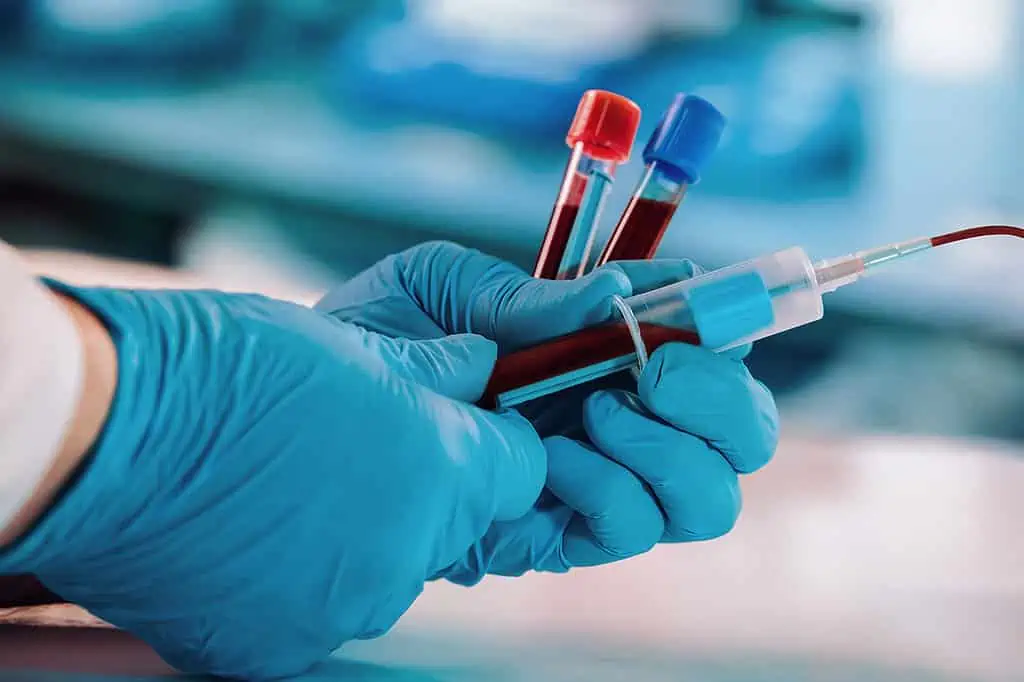
Sonora Quest Laboratories is providing a new human papillomavirus screening option that allows patients to perform specimen self-collection.
The test launched on April 28 and is available via physician’s order-only, according to a press release.
This option is ideal for patients who would like to decline or are unable to have a pelvic exam. People may have religious or cultural beliefs, personal preferences, disabilities or medical conditions that limit them from having the exam performed by a health care provider.
For now, the option to self-collect a vaginal sample for HPV testing must be done in a health care setting. Patients will use a swab or a brush to collect a vaginal sample; the swab should only be inserted a few centimeters into the vagina and does not need to reach the cervix.
The patient will return the self-collection swab to their health care provider and Sonora Quest will process the test. There is no change in how the test screens for the presence of HPV. Results will be available to the patient through their doctor’s office within three to four days.
“Sonora Quest is one of the first laboratories in the U.S. to implement HPV self-collection,” said Dr. Stacy White, Sonora Quest scientific medical director of advanced diagnostics. “Self-collection is a safe and accurate way to screen HPV; these tests are considered as specific as tests performed by clinicians. We hope it encourages more people to begin screening and to follow recommended screening guidelines.”
HPV is a common infection that causes most cervical cancers. Each year about 11,500 people in the United States are diagnosed with cervical cancer and about 4,000 people die of this cancer. An estimated 50% of new cases occur in people who have never been screened or were not screened in the five years prior to diagnoses.
Regular screening is essential to detect cervical cancer early, when treatment is most effective. The American Cancer Society recommends beginning screening at age 25 with an HPV test and having HPV testing every five years through age 65.
Testing using self-collected samples for cervical cancer screening is already used in several countries around the world, including Denmark, Sweden, the Netherlands, and Australia.
“Once additional studies have been completed and it is deemed feasible, our goal is to offer self-collection at home,” Dr. White said.