Sponsored Content | Digital Free Press
When homeowners set out to design or remodel a home in Arizona, they often think about layout, finishes, and comfort. But thoughtful planning also includes infrastructure decisions like the correct septic tank size when centralized sewer systems are not available, because getting foundational systems right can make or break both sustainability and long-term cost. Along with that, features like smart landscaping, graywater reuse, and low-flow fixtures are becoming central to home design across Phoenix, Tucson, and other parts of the state as water scarcity grows.
Why Water Conservation Matters in Arizona
Arizona ranks among the driest states in the U.S., with just 12.6 inches of average annual rainfall. Its reliance on dwindling Colorado River allocations, combined with increasing demand from a growing population, makes water conservation not optional but essential.
Drought declarations, groundwater depletion, and the challenges of maintaining affordable housing all converge in this debate. A household that conserves water not only saves money but also helps ensure supply for the region’s future. For Arizona communities, every gallon counts.
State Framework: Regulations & Incentives
Arizona has moved beyond voluntary conservation campaigns. Today, efficiency is embedded into code and reinforced through municipal programs.
Under the Arizona Uniform Plumbing Code, new homes and remodels must include efficient fixtures:
- Faucets and showerheads capped at 2.5 gallons per minute.
- Toilets designed for 1.6 gallons per flush or less.
- Appliances like dishwashers and washing machines encouraged to meet EPA WaterSense standards.
The Arizona Department of Water Resources (ADWR) promotes additional measures through Active Management Areas (AMAs), where stricter conservation programs apply. Phoenix and Tucson, for instance, require specific landscaping practices in large developments and encourage water reuse through graywater or reclaimed water systems.
These rules create a baseline of efficiency. But many homeowners and builders are going further, integrating conservation deeply into design.
Smart Landscaping & Xeriscape
Outdoor water use accounts for as much as 50% of household demand in Arizona. The idea of a lush green lawn, imported from wetter climates, is increasingly out of step with desert realities.
Key approaches include:
- Native plants like desert marigold, brittlebush, and red yucca, which need little irrigation.
- Rock gardens and decomposed granite as alternatives to turf.
- Smart irrigation controllers that respond to weather data, cutting water use by 20-40%.
- Mulch and shading trees that keep soil cool and reduce evaporation.
Several cities, including Phoenix, Mesa, and Scottsdale, offer rebates for turf removal and irrigation upgrades. Scottsdale’s Water Conservation Office even maintains demonstration gardens to show residents what desert-appropriate landscaping looks like in practice.
Graywater & Rainwater Harvesting
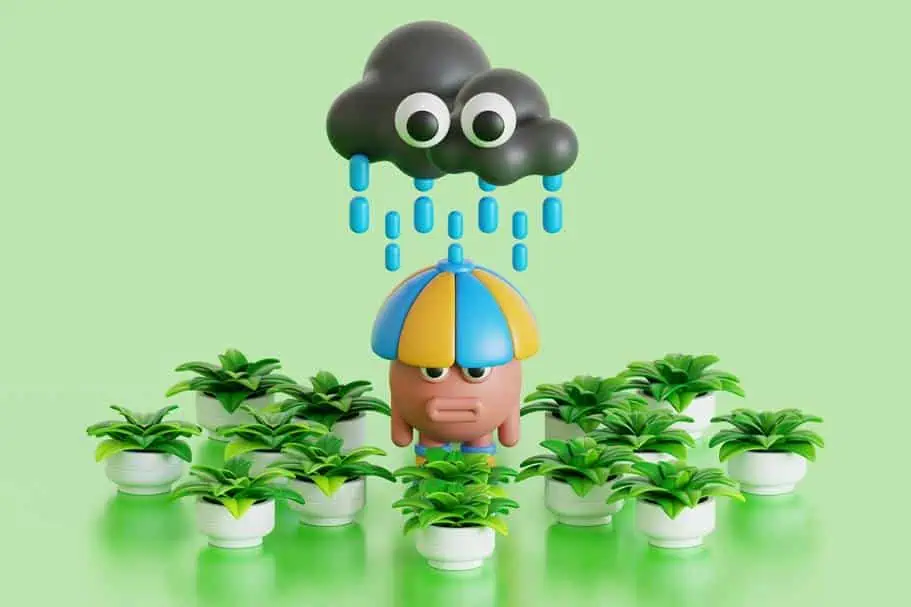
(Photo Credit: Unsplash/DigitalFreePress)
Designing plumbing systems with reuse in mind is one of the biggest missed opportunities in conventional housing.
- Graywater systems redirect relatively clean water from showers, sinks, and washing machines into irrigation or even toilet flushing. Arizona allows up to 400 gallons per day of graywater use without a permit if guidelines are followed, making it a practical choice for homeowners.
- Rainwater harvesting is also growing. While rainfall is limited, catchment systems can store thousands of gallons annually, supplementing irrigation during peak summer months. New homes can integrate cisterns seamlessly into design, while existing homes may add barrels or underground tanks.
Tucson stands out as a leader, with an ordinance requiring new commercial developments to meet 50% of landscaping water needs with harvested rainwater.
Low-Flow Fixtures & Efficient Plumbing
Inside the home, water efficiency is one of the easiest wins. Modern fixtures have improved dramatically since the early days of “low-flow” products.
- Showerheads at 1.75-2.0 gpm offer excellent performance with far less water.
- Dual-flush toilets give users flexibility, using just 0.8 gallons for liquid waste and 1.28 gallons for solids.
- High-efficiency washing machines can cut water use in half compared to older top-loaders.
Programs like Tucson’s Zanjero home audit or Phoenix Water’s rebate programs help households upgrade affordably, often providing fixtures free of charge or at steep discounts.
Early Integration: Why Timing Matters
The most cost-effective way to integrate conservation is at the design stage. When builders plan for water efficiency from the outset, they can:
- Install graywater plumbing before walls are closed.
- Design roof slopes to optimize rainwater catchment.
- Incorporate native landscaping into site plans rather than replacing turf later.
- Size septic systems or sewer connections appropriately, balancing efficiency and resilience.
This proactive approach often saves thousands of dollars compared to retrofits, while giving homeowners the benefit of lower monthly bills from day one.
Barriers to Adoption
Even with strong incentives, barriers persist:
- Upfront costs: Rainwater cisterns, advanced irrigation systems, and high-efficiency appliances cost more initially
- Permitting complexity: Rules vary between municipalities; homeowners can find the process confusing or discouraging.
- Cultural expectations: Green lawns remain a strong preference in many neighborhoods, despite their high water demand.
- Maintenance: Efficient systems still require upkeep, from cleaning filters in graywater systems to adjusting irrigation sensors.
Public education and long-term incentive programs are key to overcoming these hurdles.
Local Initiatives & Community Impact
Several Arizona communities have launched innovative programs to drive water savings:
- Phoenix Water Smart Program provides free water audits, soil probes, and irrigation system checks for homeowners.
- Flagstaff’s rebate program offers credits for installing rainwater harvesting barrels and efficient irrigation systems.
- Arizona Water Company’s Conservation Kits supply aerators, leak detection tablets, and WaterSense showerheads to households across multiple counties.
These initiatives highlight that conservation is not just an individual responsibility, but a collective investment in community resilience.
Looking Ahead: Toward a Culture of Conservation
The future of housing in Arizona must be shaped around water resilience. That means not just mandating efficient fixtures, but embedding conservation into culture, architecture, and neighborhood design. Developers can market water-efficient homes as healthier and more affordable; municipalities can continue aligning regulations with conservation goals; and homeowners can see efficiency not as a compromise but as an upgrade.
The challenge is steep, but the path forward is clear. Arizona cannot grow sustainably without water-smart homes.
Water conservation in Arizona home design isn’t just about environmental stewardship; it’s a cornerstone of affordability and resilience. From selecting the correct septic tank size or sewer connection during planning, to embracing low-flow fixtures, rainwater systems, and desert-appropriate landscaping, every decision matters.
With coordinated policies, strong community programs, and a shift in cultural expectations, Arizona can build homes that are comfortable today and sustainable tomorrow, ensuring that limited water resources support thriving communities for generations to come.