Brazilian physician hails love of paleontology that led to major ancient reptile discovery
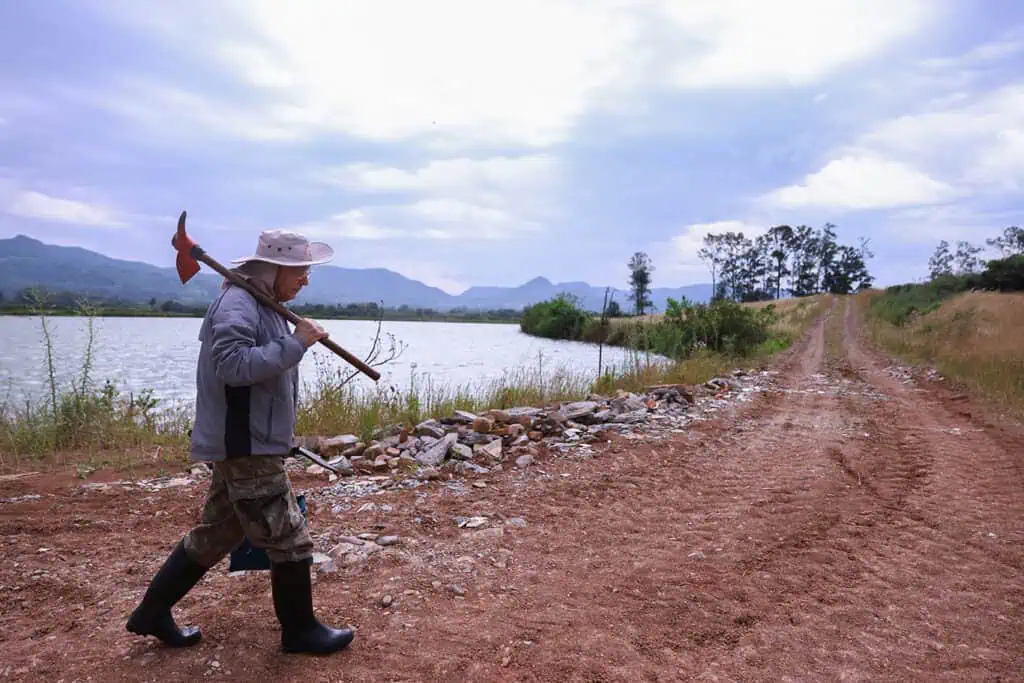
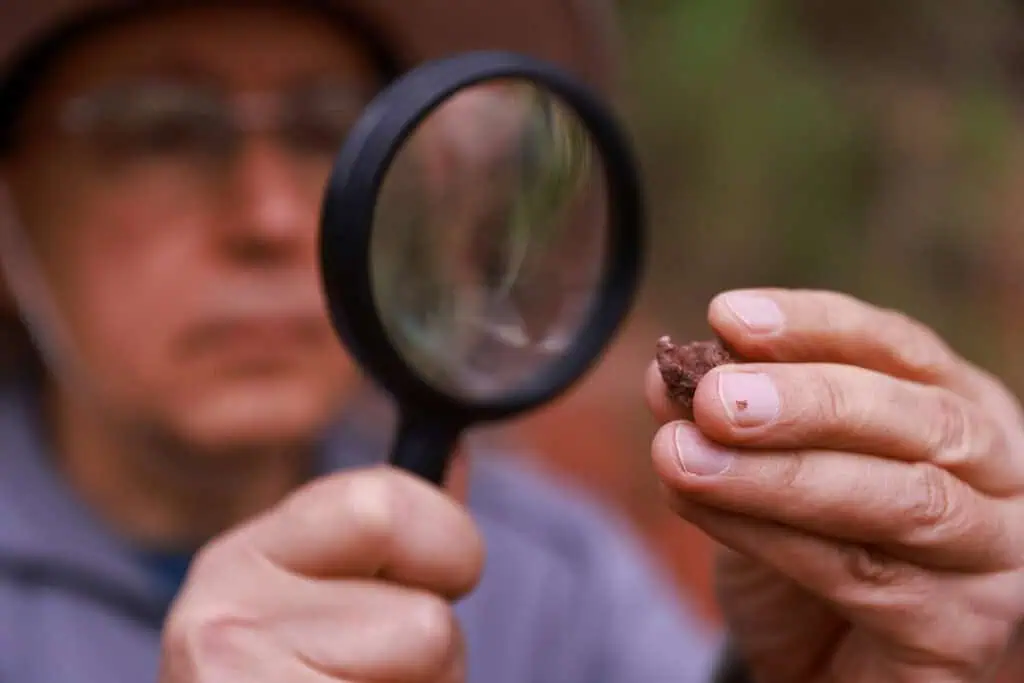
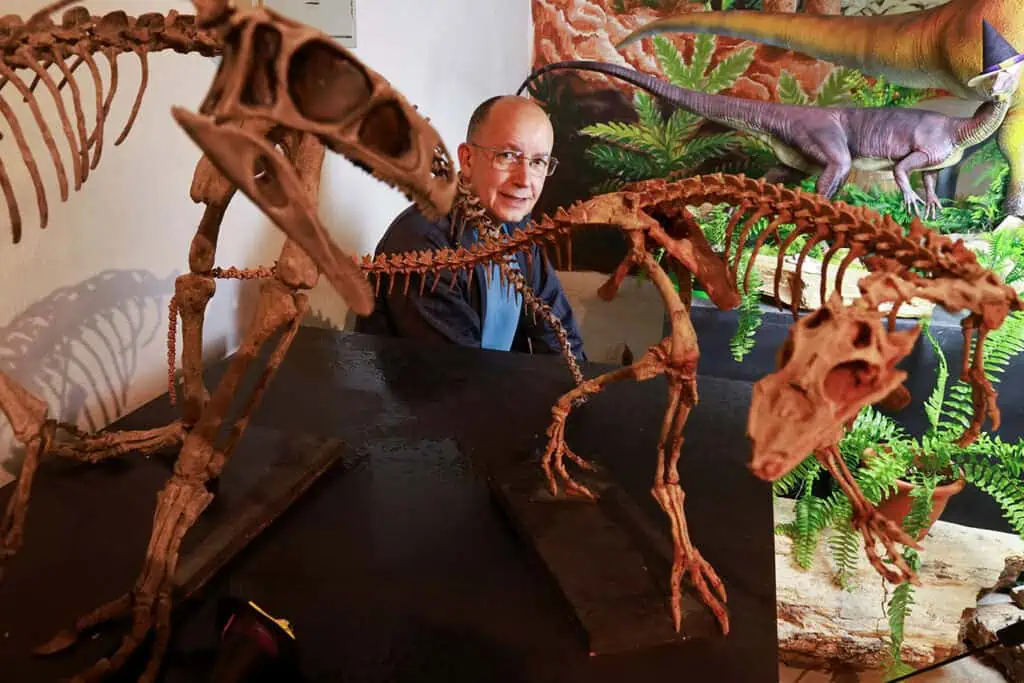
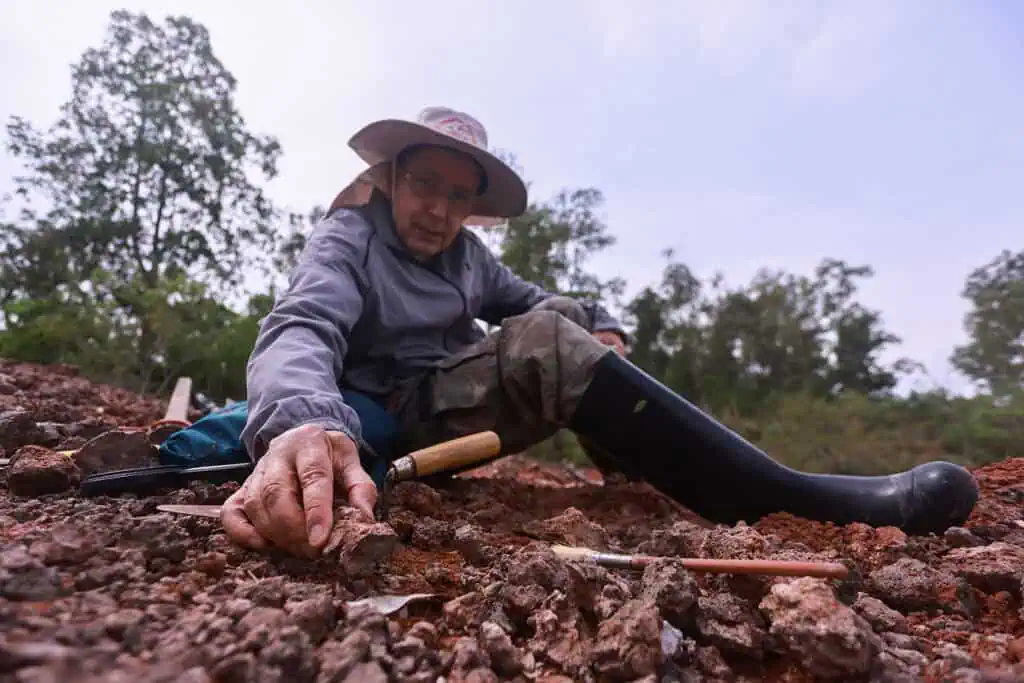
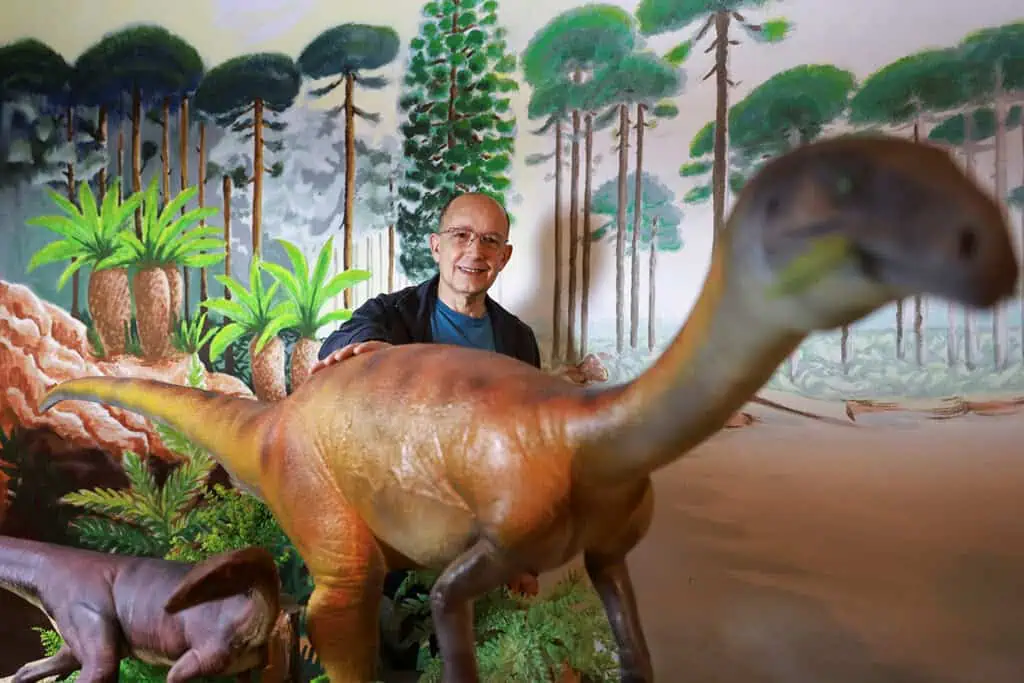
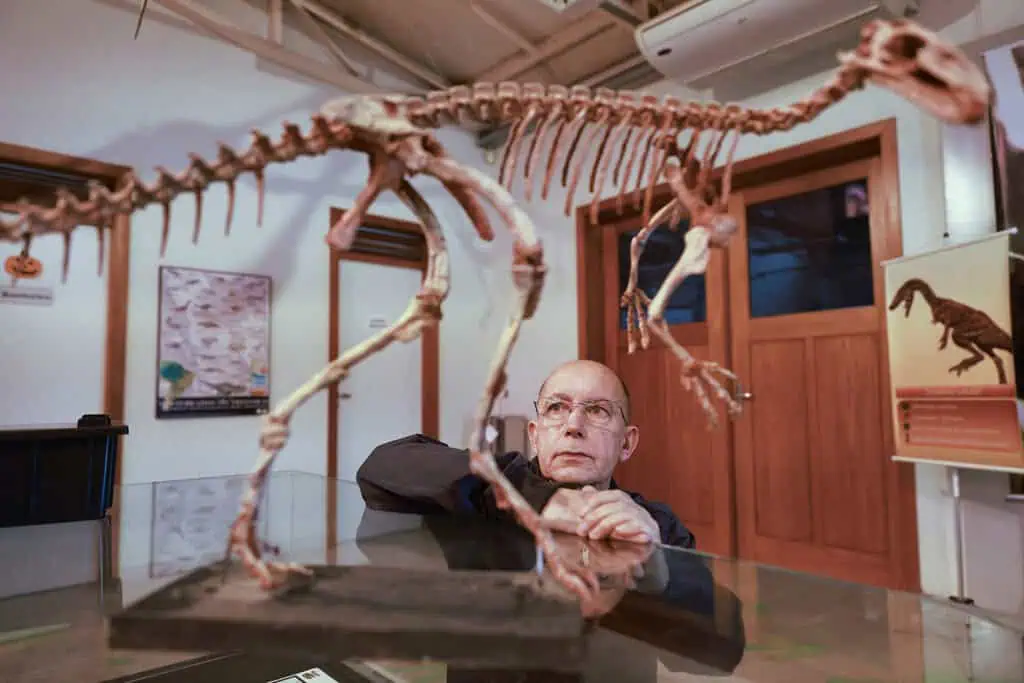
Physician Pedro Lucas Porcela Aurelio, a paleontology enthusiast who discovered one of the world’s oldest fossils, approximately 237 million years old and classified as Gondwanax paraisensis, goes on an expedition at the site where the fossil was discovered in 2014, in Paraiso do Sul, Brazil, October 25, 2025. REUTERS/Diego VaraPhysician Pedro Lucas Porcela Aurelio, a paleontology enthusiast who discovered one of the world’s oldest fossils, approximately 237 million years old and classified as Gondwanax paraisensis, uses a magnifying glass during an expedition at the site where the fossil was discovered in 2014, in Paraiso do Sul, Brazil, October 25, 2025. REUTERS/Diego VaraPedro Lucas Porcela Aurelio, a paleontology enthusiast who discovered one of the world’s oldest fossils, approximately 237 million years old and classified as Gondwanax paraisensis, poses by dinosaur replicas at the Quarta Colonia Paleontological Research Support Center (CAPPA), in Sao Joao do Polesine, Brazil, October 25, 2025. REUTERS/Diego VaraPhysician Pedro Lucas Porcela Aurelio, a paleontology enthusiast who discovered one of the world’s oldest fossils, approximately 237 million years old and classified as Gondwanax paraisensis, searches for traces of fossils during an expedition at the site where the fossil was discovered in 2014, in Paraiso do Sul, Brazil, October 25, 2025. REUTERS/Diego VaraPhysician Pedro Lucas Porcela Aurelio, a paleontology enthusiast who discovered one of the world’s oldest fossils, approximately 237 million years old and classified as Gondwanax paraisensis, smiles while touching a dinosaur replica at the Quarta Colonia Paleontological Research Support Center (CAPPA), in Sao Joao do Polesine, Brazil, October 25, 2025. REUTERS/Diego VaraPedro Lucas Porcela Aurelio, a paleontology enthusiast who discovered one of the world’s oldest fossils, approximately 237 million years old and classified as Gondwanax paraisensis, looks at a dinosaur replica at the Quarta Colonia Paleontological Research Support Center (CAPPA), in Sao Joao do Polesine, Brazil, October 25, 2025. REUTERS/Diego Vara
When physician Pedro Lucas Porcela Aurelio unearthed a fossil in Brazil’s southern Rio Grande do Sul state in 2014, he could barely imagine his discovery would later help scientists better understand the rise of early reptiles.
Research identified that fossil as belonging to a four-legged ancient reptile, roughly the size of a small dog and with a long tail, dating back some 237 million years – making it one of the world’s oldest.
Finding the fossil of the species formally named Gondwanax paraisensis was a result of Aurelio’s longstanding love of paleontology, which he says has become much more than a hobby since he first started going on field trips in 1996.
“I adopted it as part of my life,” the 66-year-old nephrologist from the town of Paraiso do Sul, where he unearthed the fossil, told Reuters.
He donated it to a local university, prompting new research that paleontologist Rodrigo Temp Muller detailed in a study published last year.
Unearthed in a rock layer dating back to the Triassic period, between 252 million and 201 million years ago, the fossil comes from the time when dinosaurs as well as mammals, crocodiles, turtles and frogs first arose.
“How can I touch millions of years? When I held it, I would sweat from emotion,” said Aurelio.
Muller said that many fossils currently found in local collections were discovered by Aurelio, praising his love for paleontology and awareness of fossil heritage as inspiring for both professionals and students.
While still working as a doctor, Aurelio vowed to keep searching for fossils.
“Here I can rub my hands in Triassic sediments. And honestly, I prefer that to washing blood off my hands,” he said. “I’ll continue field trips until the day I’m gone. As long as I have strength, I’ll keep going.”
Editor’s Note:Reporting by Sergio Queiroz and Diego Vara; Editing by Bill Berkrot
Category Sponsor
REUTERS NEWS SERVICE
Through a content partnership the Digital Free Press publishing Science & Technology reporting from the International News Service: Thomson Reuters