Staff Reports | Community Updates
The Arizona Chapter National Safety Council, a nonprofit safety advocate with a mission to eliminate leading causes of preventable death and injury, announced an update to Alive at 25, the National Safety Council’s driver safety program for teens and young adults.
Alive at 25 is a four-hour classroom course for drivers ages 15 to 24, according to a press release.
Instead of focusing on vehicle operation, the program addresses behaviors that place young drivers at higher risk. Participants work through real situations involving peer pressure, phone distractions, split-second decisions and challenges tied to limited driving experience.
The course includes updated videos, hands-on activities, Arizona crash data and guidance on state laws covering seatbelt use, texting while driving, speeding and impaired driving.
The need is critical. According to the CDC, motor vehicle crashes are the leading cause of death for U.S. teens. Crash rates for drivers ages 16 to 19 are nearly three times higher per mile driven than those of drivers 20 and older, the release states.
In Arizona, nearly 600 young drivers ages 15 to 24 died in crashes from 2020 to 2024, according to the Arizona Department of Transportation.
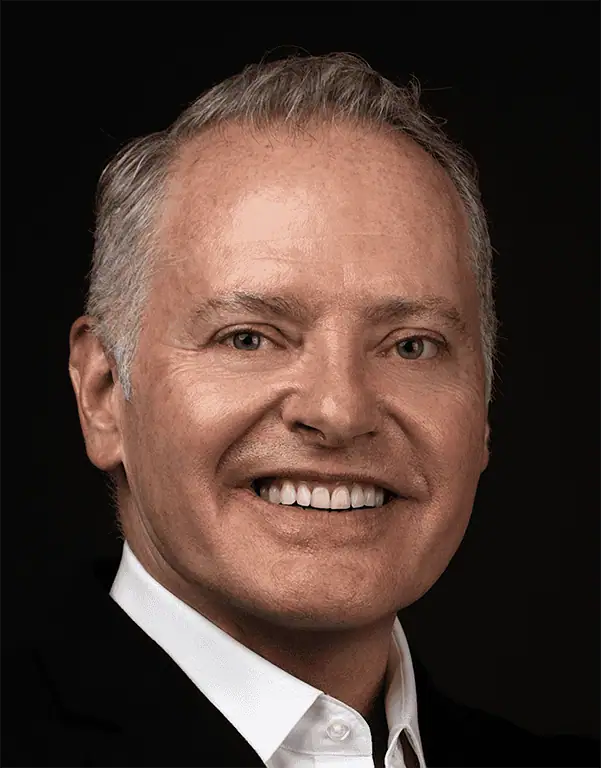
“Since 1996, hundreds of thousands of young drivers across the country have taken Alive at 25,” said Rick Murray, president and CEO of ACNSC. “We’re thrilled to bring this updated version to Arizona and to keep expanding access through local schools and community partners.”
The new edition includes redesigned videos, a downloadable multimedia format, updated activities and refreshed materials for instructors and students. Updates were shaped by feedback from instructors, stakeholders and focus groups with drivers under age 25.
ACNSC continues to expand Alive at 25 throughout Arizona. In 2022, Glendale became the first city in the state to launch the program and now offers it at no cost to students in its nine high schools. In 2025, ACNSC partnered with the Tolleson Union High School District to bring the course to students across seven campuses.
The four-hour classroom course, available in English and Spanish, fits into the school day and is taught by safety professionals and local instructors. Parents and community members can support expansion by encouraging school leaders to consider offering the program.