Sponsored Content | Digital Free Press
Arizona heat not only changes the weather. It changes the body’s mood during exercise. A normal workout can feel heavier in July. The same knees can feel “louder” in August. It is not always an injury. It is often heat, sweat, and recovery stacking up.
Many people in Phoenix and Scottsdale notice it after everyday stuff. A long grocery run. A walk across a hot car park. Stairs at the end of the day. Joints can feel dry, stiff, and sore. The tricky part is that it can come and go. One day feels fine. The next day feels tight.
Low-impact strength training fits this climate for a simple reason. It builds support around joints without adding extra pounding. It is also easier to keep consistent when outdoor conditions are harsh. Consistency is usually the missing piece.
Why Heat and Dehydration Make Movement Feel Different
Heat pushes the body into cooling mode. That sounds simple, but it steals energy. Heart rate climbs faster, and sweat loss ramps up early, and the CDC notes that exercise in heat raises dehydration risk.
Hydration also slips without warning. Thirst often shows up late. Even mild dehydration can make muscles feel tighter. Tight muscles pull on joints. That often shows up as cranky knees or stiff hips. The joint is not the only problem. The surrounding tissue is part of it, too.
There is also the “day after” factor. Hot weather can make recovery feel slower. Sleep can get lighter. People sit more indoors. Steps drop. Hips tighten. Ankles get less mobile. Then a workout starts from a tighter baseline.
None of this sounds dramatic. It is the boring stuff that adds up.
What Low-Impact Strength Training Really Is
Low-impact strength training is not a gentle workout category. It is a way of loading the body without shock. The work still burns. The difference is where the stress goes. It should go into muscles, not into joints.
Low-impact strength usually looks like this:
- Slower reps with more control
- Fewer jumps and hard landings
- Stable positions that reduce wobble
- Resistance that can be increased gradually
- More time under tension, less rushing
A set of slow split squats can be brutal. A controlled row can light up the back fast. The intensity is real. The impact is not.
How Stronger Muscles Calm Down Angry Joints
Joints rely on surrounding muscles for stability. When surrounding muscles are weak or tired, joints absorb more stress, and the Arthritis Foundation explains how strong muscles protect your joints by reducing joint load.
Stronger glutes help knees track better. Strong hamstrings support the back of the leg. Strong calves and feet improve ankle control. A stronger trunk supports the spine under load. These changes reduce “joint drama” during daily movement.
This matters more in desert heat. Fatigue climbs faster in hot conditions. When fatigue rises, form slips sooner. Low-impact strength training builds a buffer. It keeps movement cleaner when energy dips.
Why Indoor Low-Impact Training Works in Arizona
Arizona summers are not the time for heroic outdoor plans. Many people already know this. Indoor training becomes the practical choice, especially in the hottest months.
Indoor workouts give control. Temperature stays stable. Water is close. Breaks are easier. A fan can reset effort fast. That control helps form stay sharp, which protects joints.
Low-impact sessions also suit smaller spaces. They do not require sprint lanes. They do not need loud equipment. A consistent routine matters more than a perfect setup.
This is why many people build a simple indoor plan for summer. Then it becomes a year-round routine by accident.
Pilates-Style Strength and Reformer Training in Hot Weather
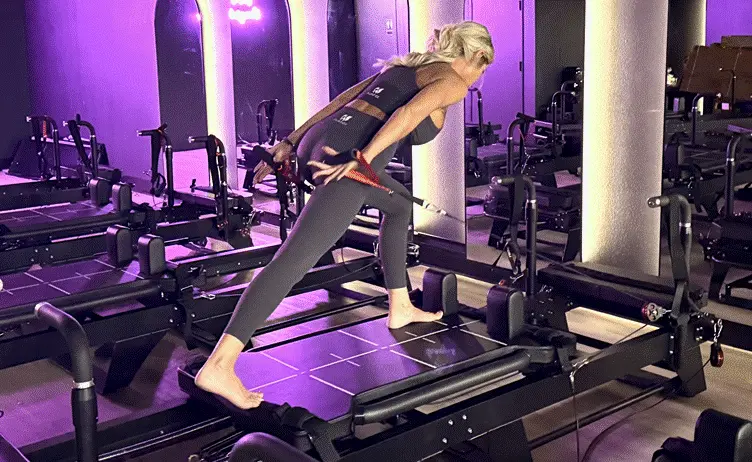
Pilates has a calm reputation, but modern Pilates-style strength can be intense. The intensity comes from control and continuous effort. Sets run longer. Core engagement stays on. Muscles stay under tension.
Reformer-style training is also joint-friendly for a practical reason. Resistance is smooth. The load stays consistent through the range. Many people find it easier to keep alignment when the movement path is guided.
This is also where equipment talk starts. Some people want the studio experience at home. They search broad terms first, like a best lagree machine for sale, then compare alternatives that hit the same training style. Sculptformer often enters the conversation here, since it targets high-intensity, low-impact full-body work.
The label is not the point. The training effect is the point. Controlled resistance. Long sets. Less joint pounding.
Heat Habits That Protect Joints
Small habits change how joints feel in summer. These are not glamorous tips. They work anyway.
- Drink water before a workout starts
- Add electrolytes when sweat loss is heavy
- Warm up shorter, since the heat warms you already
- Take small cooling breaks between sets
- Choose softer walking routes when possible
- Replace worn shoes earlier than usual
Sleep matters too. Poor sleep often makes joints feel worse. It also increases soreness perception. Summer sleep can be rough. A cooler room helps more than people expect.
Who Benefits Most From Low-Impact Strength Here
Low-impact strength training suits many groups, but it is especially helpful for:
- People returning after a long break
- Anyone with knee or hip flare-ups
- Adults dealing with back stiffness
- Runners who want joint-friendly strength support
- Busy professionals needing efficient workouts
- Anyone training through long, hot seasons
It also helps people who “do fine” until they do not. Summer can be the tipping point. A smarter training style can prevent that spiral.
The Practical Takeaway
Desert heat adds stress in sneaky ways. Hydration slips. Fatigue rises faster. Recovery gets less reliable. Impact starts to feel harsher, even when workouts are not extreme.
Low-impact strength training supports joint health by building muscle stability around joints. It improves control, helps form stay cleaner, and reduces repetitive pounding. It also fits indoor summer routines, which makes consistency easier.
Strength is still the goal. The path just changes a bit. In Arizona, that is often the difference between staying active and stopping.